
Blog
Why Rapid City's 1980s-Era Garage Doors Struggle in Winter
Most Rapid City houses went up between 1972 and 2007, and the original hardware wasn't built for this cold. Here's when that catches up with you.
When to Get Help
If your door is sticking, groaning, or lifting off its track on a cold morning, don't wait for it to get worse. A lot of homes in this area were built between 1972 and 2007 - median year 1989 - and that original hardware is now thirty-plus years old. Springs lose tension gradually, and in a severe cold climate like ours, a spring that's marginal in October can snap outright by January. If the door won't open smoothly, if the opener strains and reverses, or if you hear a loud bang followed by the door refusing to move, that's a broken torsion spring, not something to force through with the opener. Call before you try to muscle it open by hand - a loaded spring under tension is the single most dangerous part of the whole system. We'd rather talk you through what's safe to check yourself (loose bolts, a dirty track, a battery backup light) than have you find out the hard way. If the door is original to a house built in the late '80s or early '90s, assume the springs and rollers are original too, and plan the call before the cold snap, not during it.
The Common Mistake
The mistake we see across the nine areas we work in - Rapid Valley, Green Valley, Colonial Pine Hills, Box Elder, Summerset, and farther out toward Keystone, Hermosa, New Underwood, and Hill City - is treating a stiff door as a lubrication problem when it's actually a tension problem. Spraying WD-40 on a track doesn't fix a spring that's lost its wind from decades of temperature swings. Houses from the 1980s and '90s stock typically have steel torsion springs rated for a certain cycle life, and nobody replaced them on schedule because nothing failed outright - the door just got heavier to lift, season by season, until one cold morning it didn't move at all. Homeowners also assume a slow-closing door is an opener problem and replace the opener first, when the opener was never the issue - it was compensating for a spring that needed replacing years earlier. We won't sell you an opener if the real fix is a spring job; that's a repair, not a reason to replace the whole system.
What the Weather Here Does to It
Severe cold does two things to a garage door system that owners don't expect. First, steel contracts, and a torsion spring that's already fatigued from age tightens up unevenly - that's when you get the loud pop and a door that won't budge, usually on the coldest morning of the stretch, not gradually. Second, cold makes lubricant inside rollers and hinges go thick and sluggish, so the opener has to work harder to pull a door that used to move freely. On a house built in the 1980s or '90s, with original rollers and a steel track that's never been re-aligned, that extra strain finds the weakest point fast. We don't get asked about this in July. We get asked about it in the first real cold stretch of the season, when a dozen doors across town all fail for the same reason within the same week. If your door has been getting noticeably harder to lift over the past few winters, that's not your imagination - that's the cold finding a spring that was already due.
The Situation
Across the service area there are roughly 5,739 owner-occupied houses out of about 10,745 households, and a lot of those owners are sitting on the same original garage door hardware their house came with in the late '80s or '90s. That's not a defect - it's just the math of when this part of town was built. The honest limitation here: if a door is original to a 1972-era house and the track, drum, and bearing plate are all worn together, sometimes a spring swap isn't worth it - replacing the whole operating system costs about the same as patching one failing part at a time, and we'll tell you that straight instead of billing you twice. With a median household income around $78,801 in this area, most owners are weighing a real repair bill, not an unlimited budget, so we try to fix what's fixable and only recommend full replacement when the hardware underneath has actually reached the end of its run.
Questions
Common questions
How old does a garage door have to be before the spring is a real risk?
Most of the housing here dates to between 1972 and 2007, with a lot clustered in the 1980s and '90s. If your door and springs are original to a house from that era, they're likely past their rated cycle life. Combined with severe cold winters, that's exactly the setup that leads to a spring snapping without warning.
Why does my door get stiff every winter even though nothing's broken?
Cold thickens the lubricant in rollers and hinges and makes steel springs tighten unevenly, so the opener has to pull harder than it did in summer. On older hardware that's already lost some tension, that extra strain is often the thing that finally causes a failure, which is why stiff winter mornings are when most calls come in.
Is it ever not worth repairing an old door?
Yes. If the track, rollers, and spring system on a house from the 1972-2007 era are all worn out together, patching one part at a time can end up costing close to what full replacement would. We'll tell you when that's the case instead of running up a repair bill piece by piece.
Recommendation
You Might Also Like
More garage door guides for Rapid City homeowners.
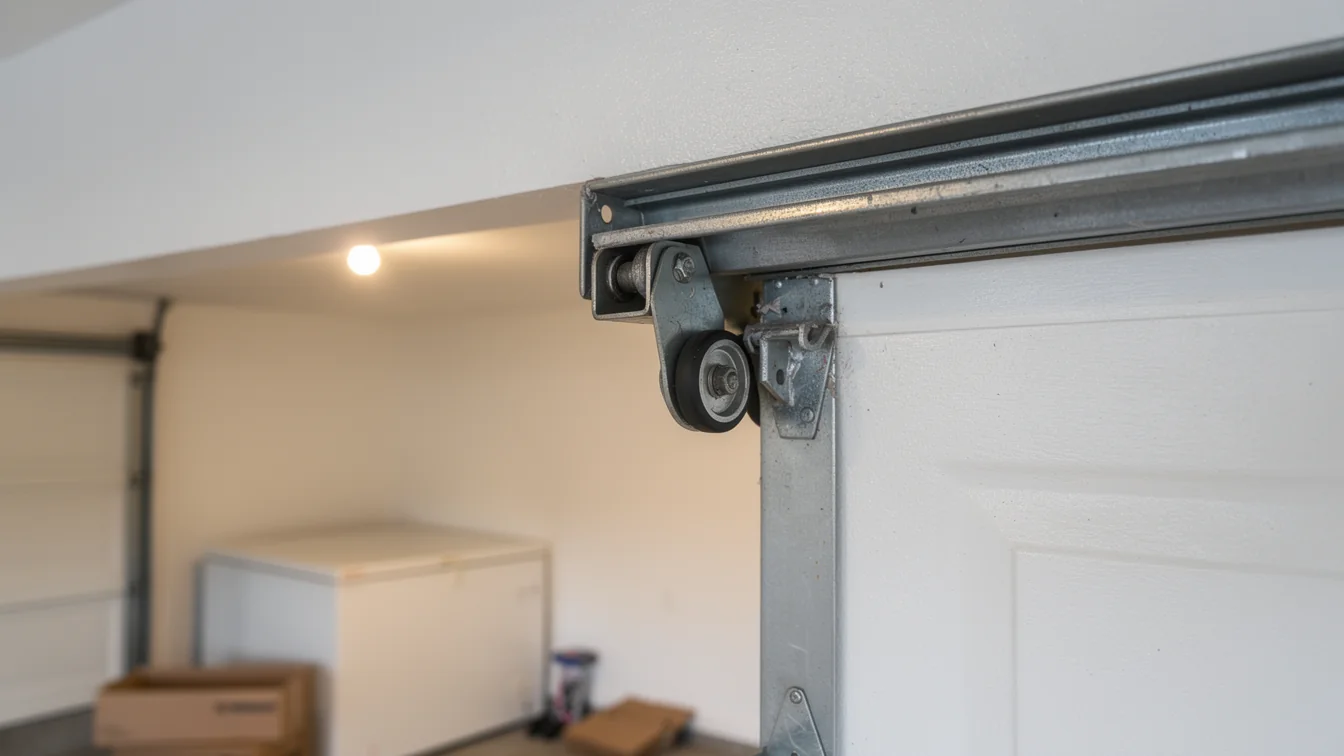
Why Garage Doors Fail Here When Winter Hits
Rapid City homes mostly built between 1972 and 2007 face openers and power cuts when the cold hits hard.
Read guide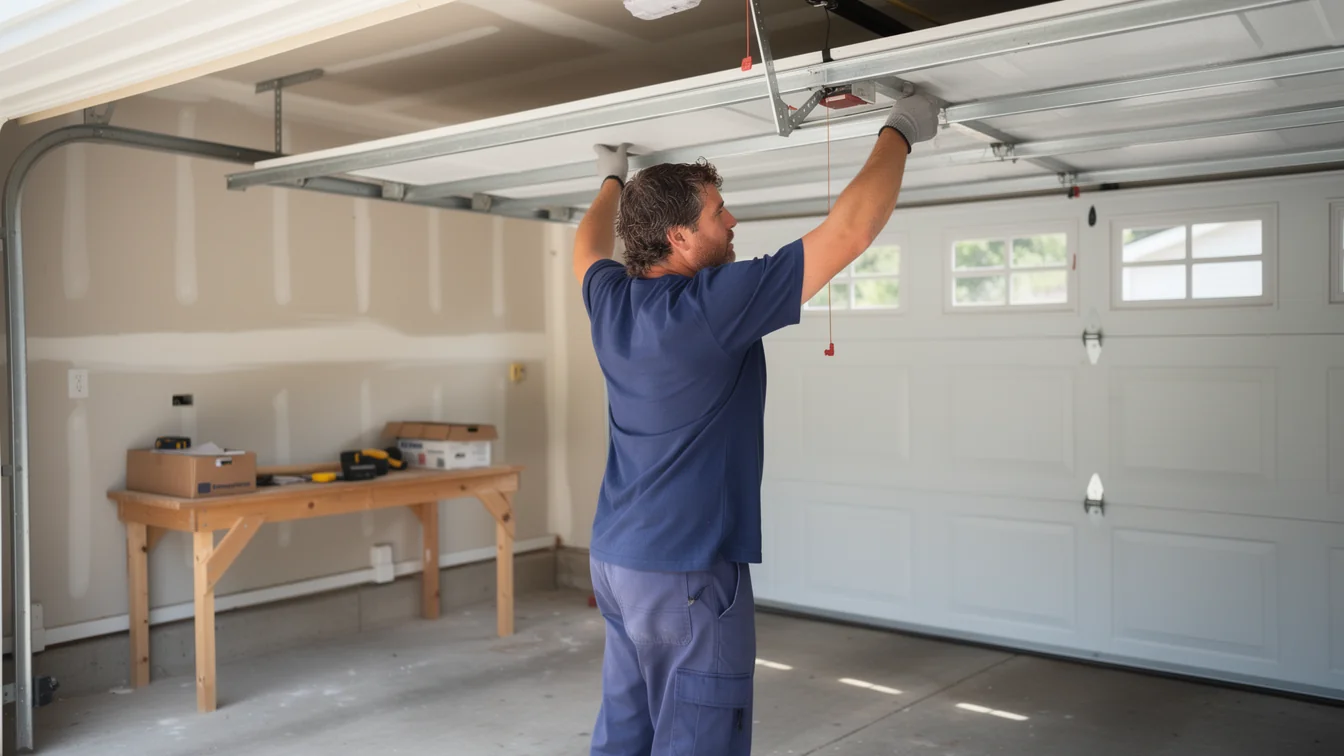
When a Rapid City Garage Door Fails in the Cold
Rapid City homes built mostly between 1972 and 2007 face real cold-weather spring failure.
Read guide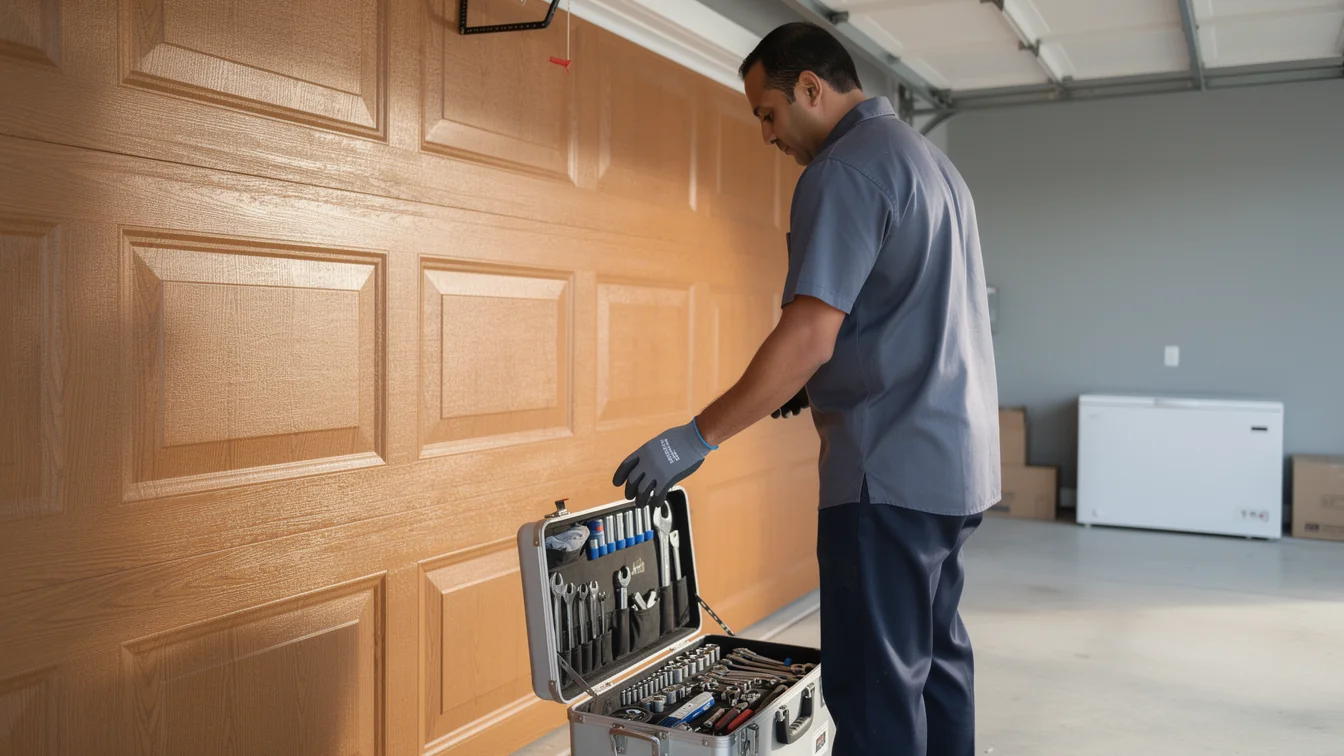
Is Your Rapid City Garage Door Worth Fixing, or Should It Go
Rapid City's housing dates mostly to 1972-2007, and the cold hits hard.
Read guideReady when you are
Need a garage door sorted in Rapid City?
Rapid City Garage Door Pros repairs and installs garage doors, springs and openers in Rapid City, SD and the surrounding area.