
Blog
What That Grinding or Popping Sound Actually Means
Most Rapid City homes date to the 1980s and 90s, and our severe winters stress garage door springs and openers fast. Know which noise means real trouble.
When to Get Help
If your door bangs on the way up, pops once and then drops the last few inches, or the opener strains and reverses before it closes, that's not a door settling in - that's hardware telling you it's close to done. A lot of the houses in this area were built between 1972 and 2007, with most of that stock going up in the 1980s and 90s, which means a good number of torsion springs, drums, and openers out there are the same ones the house came with. Springs have a cycle life, and once you start hearing a grinding or scraping sound from the track, or a loud bang from the spring itself, you're usually within days of it letting go entirely - sometimes while the door is open. Stop using the door at that point. Don't try to force a cycle to see if it clears itself. If the noise is new, loud, and repeats every time, that's the call-now category. If it's a quieter squeak on an otherwise smooth cycle, you've usually got more time, but not forever. We'd rather get a call about a noise that turns out to be nothing than a call after a spring has already snapped on a loaded door.
The Common Mistake
The mistake we see most in this area isn't neglect - it's assuming an older door is just naturally loud. A lot of the housing stock here dates to the 1980s and 90s, and owners who've lived with the same door for that long get used to a certain amount of rattle and chalk up new sounds to "it's always done that." The door usually hasn't always done that. A new grind, a new bang, or a new hesitation on the opener is a change, not a personality trait. Another version of the same mistake: spraying whatever's in the garage - WD-40, a household oil - on the springs or track and calling it maintenance. That can mask a noise for a week or two without fixing what's actually wearing. On hardware this old, the fix is usually in the spring tension, the roller condition, or the opener's drive gear, not the amount of lubricant on the rail. We'll say plainly: not every noise means replacement. Sometimes it's a $20 roller. But treating every new sound as background noise on a door that's 20 or 30 years old is how a cheap fix turns into a spring failure.
What the Weather Here Does to It
Rapid City sits in a severe cold climate band, and that cold is doing real work on your door every winter, not just making it feel stiffer. Steel springs lose tension as metal contracts in the cold, so a spring that was balanced for the door's weight in July can be noticeably under-tensioned by January - and an under-tensioned spring makes the opener do more of the lifting, which is exactly when you hear it strain or grind on the way up. Grease and lubricant on rollers and track also thicken in low temperatures, adding drag right when the spring has less tension to spare. Put those two together and a door that worked fine in fall can start binding, banging, or stalling mid-cycle once the hard cold sets in, with no single event you can point to - just the season. This is also why a noise that shows up every winter and goes quiet again in summer isn't something to ignore just because it stops: the cycle is wearing the hardware down a little more each year, even in the months it sounds fine.
The Situation
Across this area - Rapid Valley five miles out, Green Valley and Colonial Pine Hills six, Box Elder seven, Summerset ten, and Keystone, Hermosa, New Underwood, and Hill City further out past that - the housing is largely the same generation, built mostly in the 1980s and 90s. That matters because it means a huge share of the roughly 10,745 households and 5,739 owner-occupied houses out here are running garage door hardware from that same build era, now 25 to 40 years old. With a median household income around $78,801, most owners can afford to replace a spring or opener when it's actually due rather than keep patching it, but plenty still ride a noisy door until it fails outright, usually because the sound didn't seem urgent. One honest limit on our end: parts for some of the older opener models from that period aren't something we keep on the truck in every size, and a specific gear or circuit board can take a few days to source. If your door is making a new noise, the sooner you call, the more options you have before it's an emergency repair instead of a scheduled one.
Questions
Common questions
My garage door makes a loud bang once and then works fine - is that okay?
That single bang is often a torsion spring shifting or a cable seating itself under load, and it's a warning sign, not a one-time event. On hardware from the 1980s-90s stock common in this area, that bang can mean the spring is close to the end of its cycle life. Get it looked at before it happens again, ideally with the door not in use.
Why does my door sound worse in winter than summer?
Rapid City's severe cold band makes steel springs lose tension and thickens lubricant on rollers and track, so the opener has to work harder right when the spring has less to give. That combination is what turns a quiet door into one that grinds or strains once the hard cold sets in, even without any damage happening.
Is it ever okay to just keep using a noisy door?
Sometimes, yes - a light squeak on an otherwise smooth cycle can wait. But a new grinding sound, a bang from the spring area, or the opener straining and reversing are different categories. Those usually mean you're close to a failure, and on a door this heavy, that failure can happen while it's open overhead.
Can you get parts for an opener that's 30 years old?
Often, yes, but not always off the truck. Some gears, boards, or drive parts for openers from that 1980s-90s build era take a few days to source rather than same-day. We'll tell you up front if that's the case rather than guess.
Recommendation
You Might Also Like
More garage door guides for Rapid City homeowners.
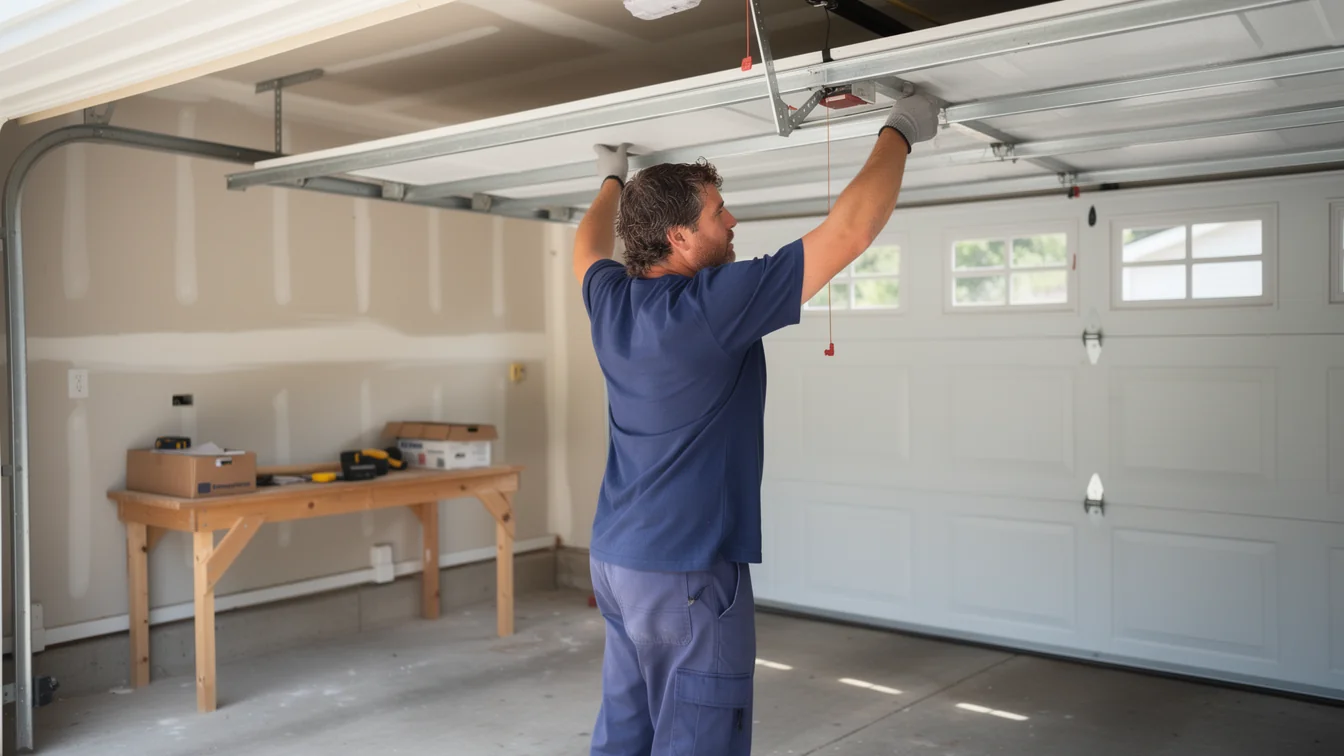
When a Rapid City Garage Door Fails in the Cold
Rapid City homes built mostly between 1972 and 2007 face real cold-weather spring failure.
Read guide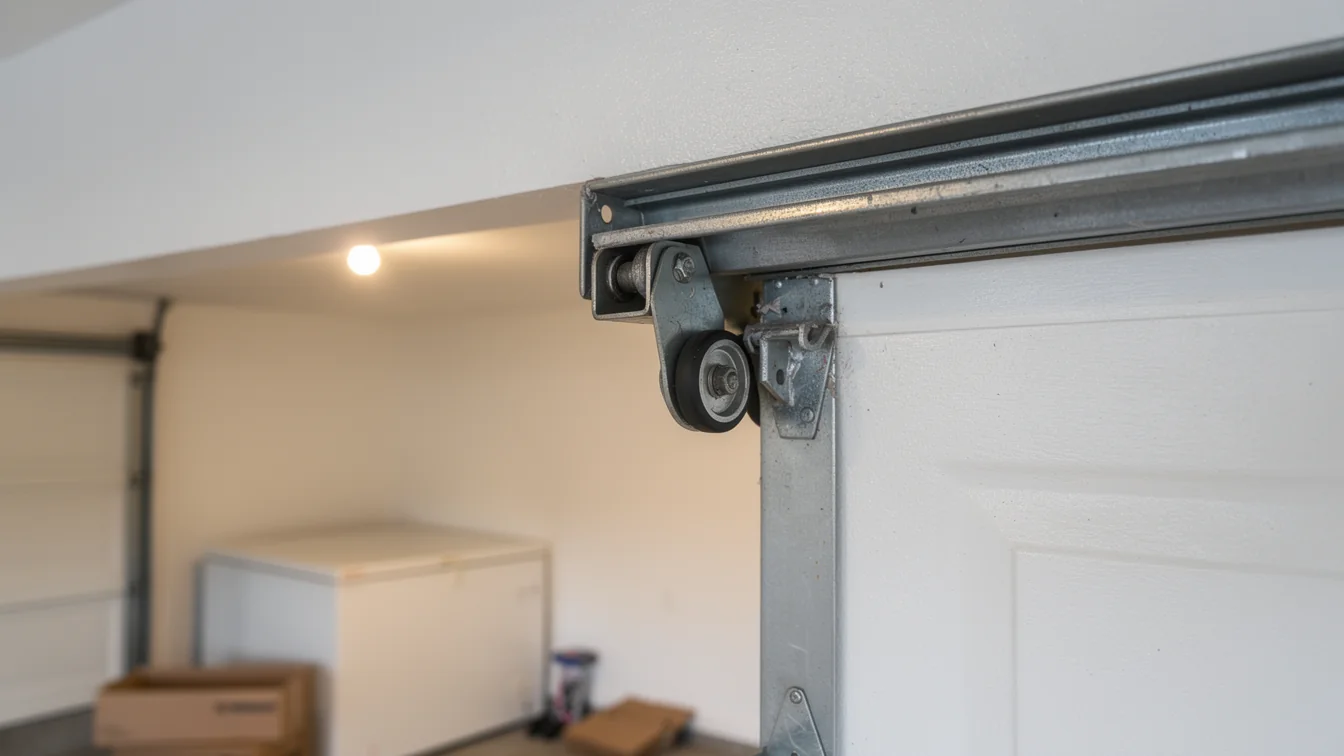
Why Garage Doors Fail Here When Winter Hits
Rapid City homes mostly built between 1972 and 2007 face openers and power cuts when the cold hits hard.
Read guide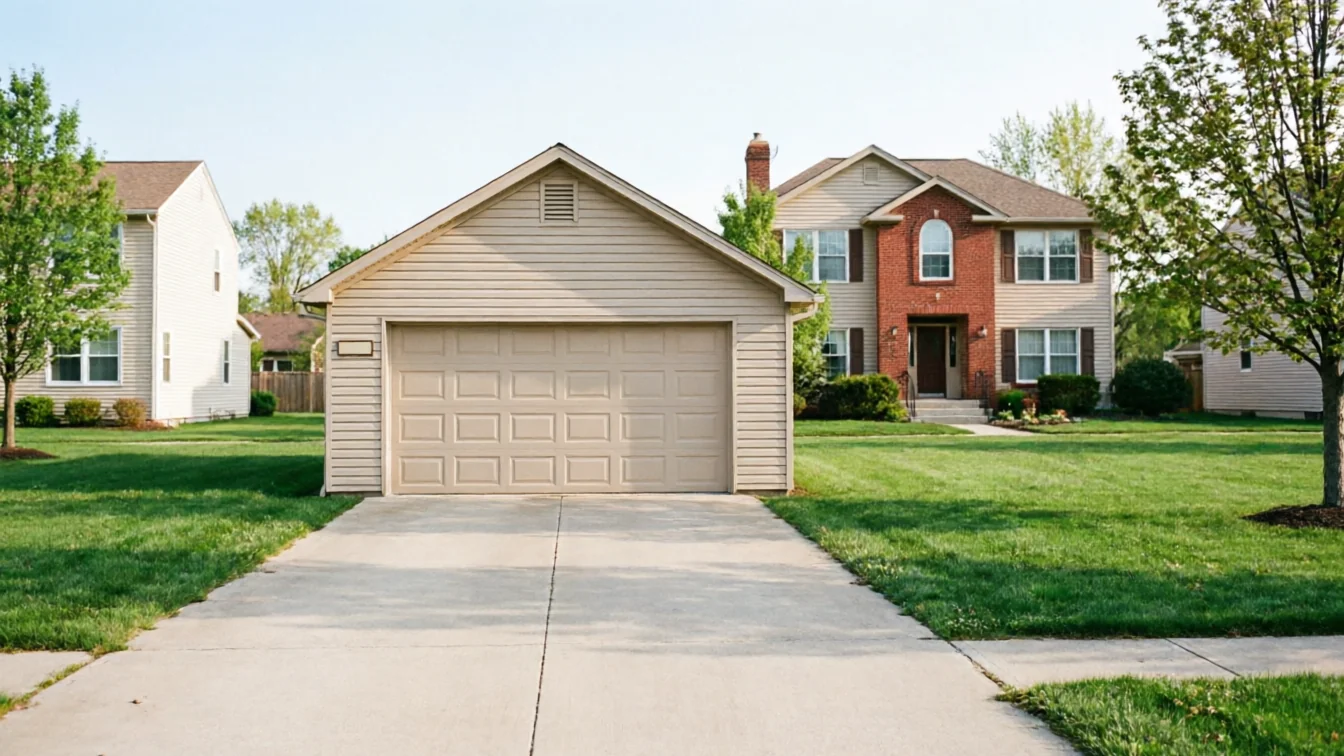
What a Service Call Actually Covers in Rapid City
Rapid City homeowners get a clear look at what a garage door service call covers, from spring and cable checks on 1970s-2000s homes to cold-weather issues.
Read guideReady when you are
Need a garage door sorted in Rapid City?
Rapid City Garage Door Pros repairs and installs garage doors, springs and openers in Rapid City, SD and the surrounding area.