
Blog
What a Service Call Actually Covers in Rapid City
Rapid City homeowners get a clear look at what a garage door service call covers, from spring and cable checks on 1970s-2000s homes to cold-weather issues.
When to Get Help
Most houses across the areas we work - Rapid Valley, Green Valley, Colonial Pine Hills, Box Elder, Summerset, Keystone, Hermosa, New Underwood, and Hill City - were built between 1972 and 2007, with the bulk of that stock going up in the 1980s and '90s. That means a lot of doors and openers out there are 20 to 50 years old, which is well past the working life of the original torsion springs, lift cables, and rollers that came with the house. If your door shudders before it starts moving, drops unevenly on one side, or the opener is grinding through a cycle it used to run quiet, that's a spring or cable telling you it's near the end - not something to put off until next month. The call worth making early is the one before a spring snaps with the door halfway up. A cable that comes off the drum mid-cycle can bend a track on the way down, and at that point a simple spring job turns into a track and panel replacement. Catching it at the shudder stage instead of the snap stage is the difference in both cost and whether you're stuck with the car in the garage overnight.
The Common Mistake
Because so much of the housing stock here dates to that 1972-2007 window, a lot of garages still have the original side-mounted torsion hardware with a winding bar setup, not the newer enclosed systems. Homeowners who've watched a video try to back off the winding cone themselves, and that's the single most common mistake we see called in after the fact - a torsion spring under full tension let go of a bar, not a professional tool. The spring itself isn't the expensive part. What gets expensive is the trip to the ER, or the bent torsion tube that now needs replacing along with the spring. The other version of this mistake is smaller but just as costly: spraying standard WD-40 on a track or hinge instead of a door-rated lubricant, which attracts grit and actually speeds up wear on rollers that are already a few decades old. We're straight about this - if your spring hardware predates 2000, we'd rather walk you through what to look at over the phone than have you under a door that's already fighting you.
What the Weather Here Does to It
This area sits in a severe cold climate band, and that changes what actually fails first on a door, versus what fails in a milder region. Steel torsion springs and cables contract in deep cold, which raises the working tension on a spring that's already stretched thin from age - that's part of why spring failures here cluster in winter rather than spread evenly across the year. Standard grease-based lubricants also stiffen up below freezing, which is why a door that opened smooth in October can start sticking or grinding by January even though nothing physically broke. Opener gears take the brunt of that stiffness too; a gear set working against a half-frozen track wears down faster than one that never has to fight the cold. None of this means you need a new door every winter. It means the lubricant and the hardware condition matter more here than they would somewhere with a milder band, and a fall check before the real cold sets in catches most of what would otherwise turn into a January breakdown.
The Situation
The service area runs across roughly 10,745 households, with about 5,739 of those owner-occupied houses - the kind of door most of what we're describing applies to, rather than rental units where a landlord handles the call. Median household income here sits at $78,801, which is part of why we try to be upfront about what a repair costs versus what a replacement costs before either one gets started; nobody wants a surprise on a job like this. The nine areas we cover - Rapid Valley, Green Valley, Colonial Pine Hills, Box Elder, Summerset, Keystone, Hermosa, New Underwood, and Hill City - span a 5 to 20 mile radius, and the drive time factors into how a call gets scheduled. One limitation worth saying plainly: we don't stock every odd-sized panel or obsolete opener part on the truck, especially for doors from the earlier end of that 1972 build year. If a part needs ordering, we'll tell you that up front instead of guessing at a same-day fix that isn't realistic.
Questions
Common questions
How old does a garage door spring usually get before it fails around here?
With most of the local housing built between 1972 and 2007, a lot of original torsion springs are now 20 to 50 years old. Spring life depends on cycle count more than calendar age, but in this climate band, cold-weather tension adds extra wear, so springs from the older end of that build range are the ones we see fail most often.
Why does my opener struggle more in winter than summer?
This area sits in a severe cold climate band, and standard grease lubricants stiffen below freezing, which makes the opener's gears work harder to pull a track that isn't moving as freely. It's usually not a broken part - it's the combination of cold and old lubricant, and a seasonal check before winter catches most of it.
Do you carry parts for older doors on the truck?
Not always. Houses from the early end of the 1972-2007 build window sometimes have odd panel sizes or discontinued opener models, and those parts may need to be ordered rather than installed same-day. We'll tell you that up front rather than promise a fix we can't actually do that day.
Recommendation
You Might Also Like
More garage door guides for Rapid City homeowners.
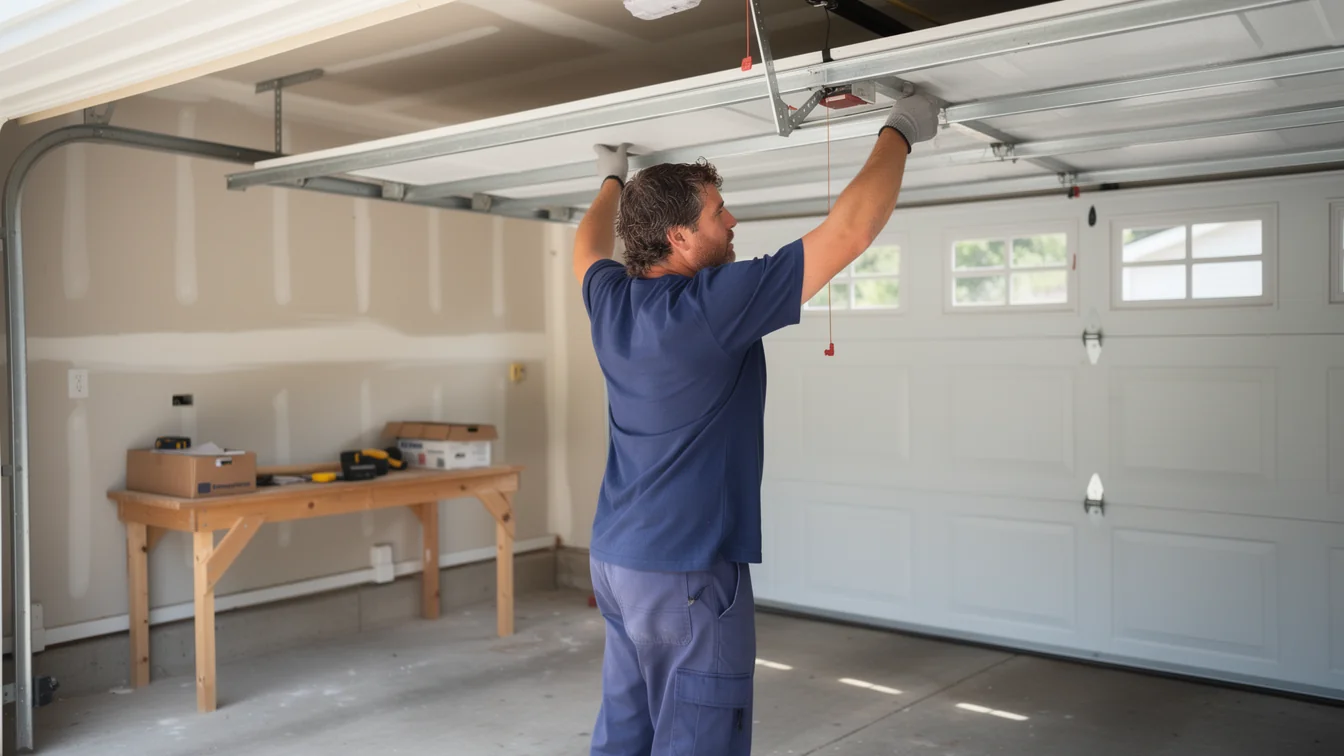
When a Rapid City Garage Door Fails in the Cold
Rapid City homes built mostly between 1972 and 2007 face real cold-weather spring failure.
Read guide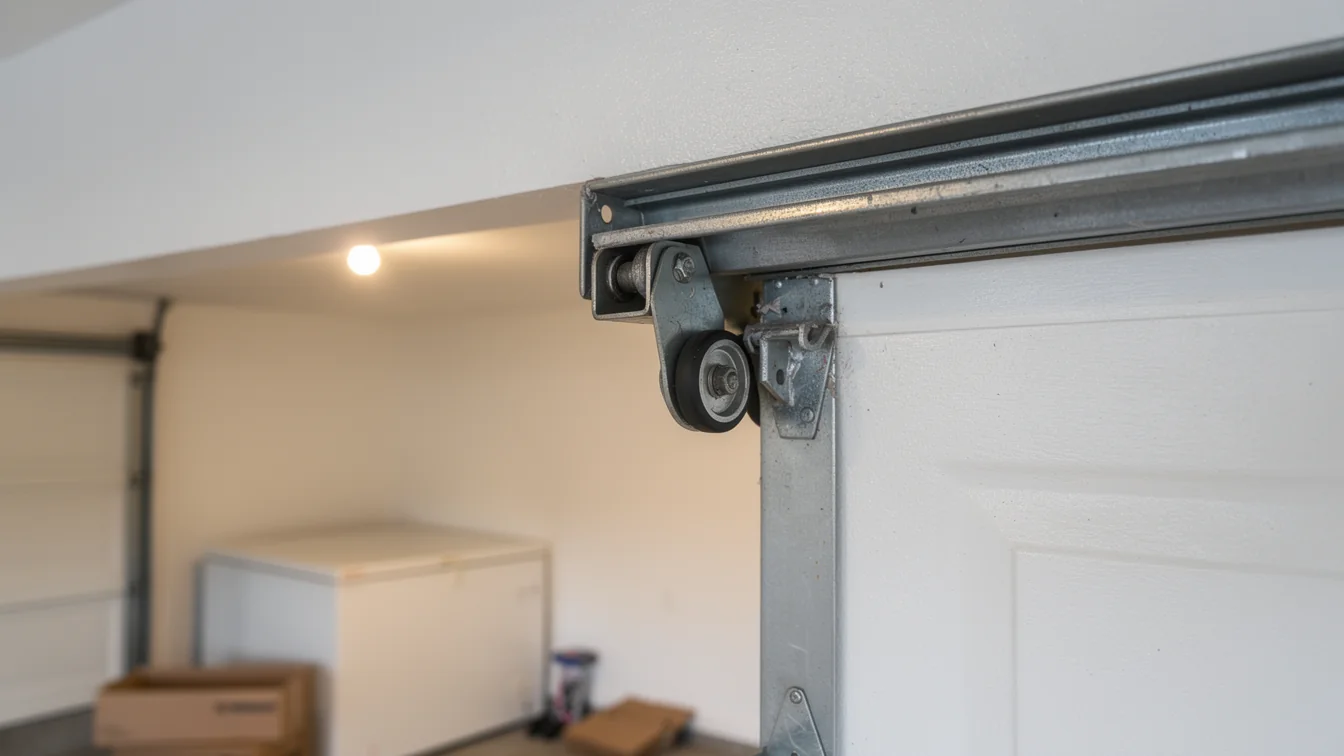
Why Garage Doors Fail Here When Winter Hits
Rapid City homes mostly built between 1972 and 2007 face openers and power cuts when the cold hits hard.
Read guide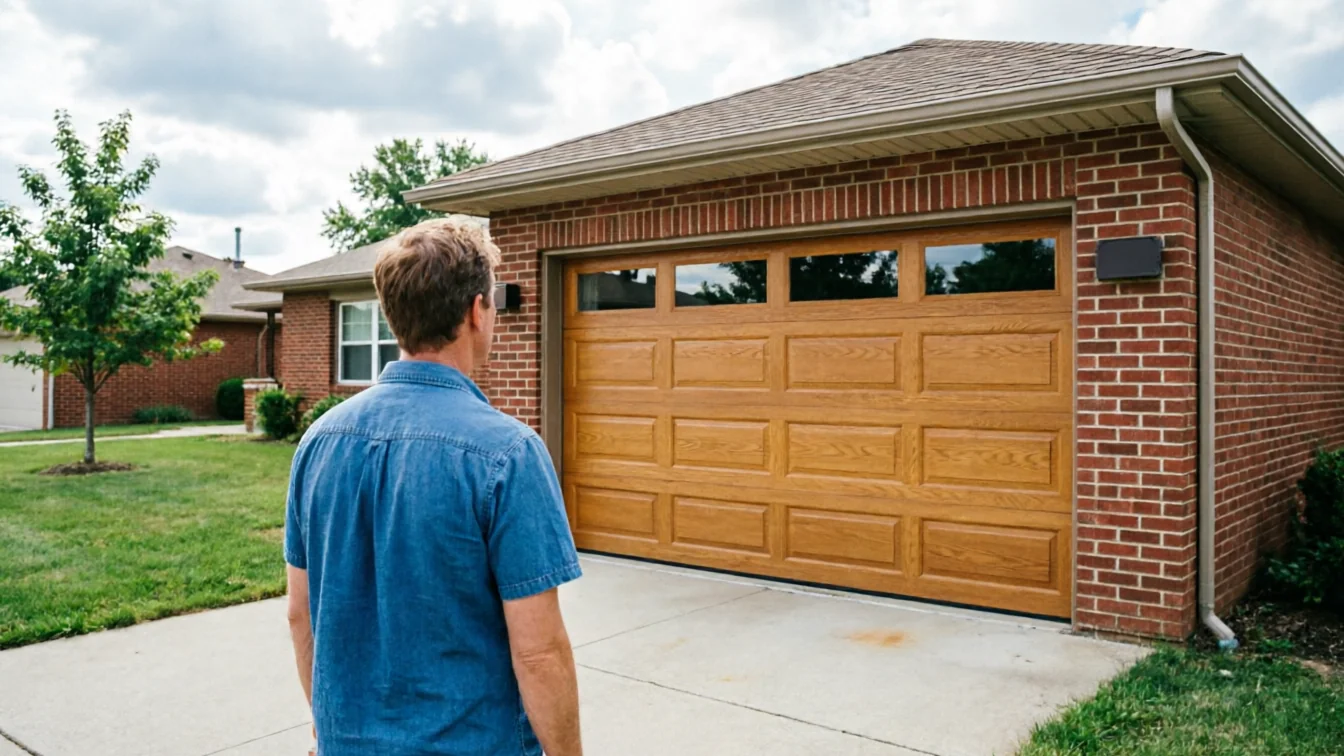
What That Grinding or Popping Sound Actually Means
Most Rapid City homes date to the 1980s and 90s, and our severe winters stress garage door springs and openers fast.
Read guideReady when you are
Need a garage door sorted in Rapid City?
Rapid City Garage Door Pros repairs and installs garage doors, springs and openers in Rapid City, SD and the surrounding area.