
Blog
Why Garage Doors Fail Here When Winter Hits
Rapid City homes mostly built between 1972 and 2007 face openers and power cuts when the cold hits hard. Learn when to call and when a fix won't be worth it.
When to Get Help
Call before the door is stuck, not after. If the opener strains, clicks, or reverses on its own, that's usually a spring losing tension, not a motor dying, and it's cheaper to catch early. If a power cut drops the door mid-cycle, the opener's backup battery (where one exists) should let you clear the opening by hand - if it doesn't respond at all, don't force it, because a torsion spring under load can do real damage.
In the houses built across this area between 1972 and 2007, a lot of the original equipment is still in place. That means openers running 20 to 40 years past their install date, and springs that were sized for a door that's since been reinsulated or swapped for a heavier steel panel. If your door is from that era and you haven't had the spring tension checked, that's the first call to make, not the last.
One limitation worth saying plainly: if the opener's circuit board is dead and the model is more than about 15 years old, we may not be able to get an exact replacement board. At that point a full opener swap is usually faster and cheaper than hunting down discontinued parts.
The Common Mistake
The mistake we see most is treating the opener and the spring as one problem. They're not. A homeowner hears grinding or sees the door hesitate and assumes the motor's going, so they replace the opener - and the new one burns out in a year because the spring underneath it is still the original, still carrying more load than it should, still fighting the motor on every cycle.
The houses in this area built from the 1980s and 90s onward came with torsion springs matched to the door and climate load at install. Decades of temperature swings - and this area gets real swings - change how that steel behaves. Springs don't announce they're tired. They just slowly make the opener work harder until the opener fails first and gets blamed for it.
The fix is boring but it's the right order: check the spring and the balance of the door itself before touching the opener. If the door doesn't glide up under its own weight with the opener disconnected, no opener on the market will make it run right for long. Replacing the wrong part first is the single most common way we see people spend money twice on the same problem.
What the Weather Here Does to It
This area sits in a cold-severe climate band, and that matters more to a garage door than most people expect. Steel tracks and torsion springs contract in deep cold, which tightens tolerances that were set for a warmer day. A door that rolled smooth in September can bind and groan by January, not because anything broke, but because everything shrank a little.
Nylon rollers get brittle in sustained cold and can crack on a door that's used daily through winter. Lubricant that worked fine in summer gums up or thins out depending on what it is, which is why the wrong grease in cold weather causes more sticking complaints than any mechanical failure. And when the power goes out during a winter storm - which this climate band makes a real possibility, not a rare one - an opener with no manual release becomes a locked door until the power's back.
None of this is exotic. It's the ordinary wear pattern of cold-severe weather acting on steel, rubber, and nylon parts that were never going to last forever anyway. The houses here, mostly built from 1972 through 2007, have had anywhere from one to five decades of this cycle working on their original hardware.
The Situation
The service area runs well beyond the city itself - Rapid Valley five miles out, Green Valley and Colonial Pine Hills around six, Box Elder at seven, Summerset at ten, and out further to Keystone and Hermosa at sixteen, New Underwood at eighteen, and Hill City at twenty. Nine distinct communities, and most of the housing across them dates to the same long build-out window, 1972 to 2007, with the bulk of it going up in the 1980s and 90s.
That's 10,745 households in the area, 5,739 of them owner-occupied houses - meaning well over half the homes here are owned, not rented, which usually means an owner who's lived with the same door and opener for years and knows its quirks. Median household income sits at $78,801, which doesn't tell you much about any one door, but it does mean replacement is usually a real option here, not just a repair stretched out past its usefulness.
What ties all of it together is age and climate acting on the same stock of hardware at the same time, across a wide and spread-out service area rather than one dense neighborhood.
Questions
Common questions
My garage door opener is from the 1990s - is it worth fixing or should I replace it?
Depends what's failed. A dead capacitor or worn gear kit on an otherwise sound opener is often worth fixing. But if the circuit board's gone on a unit that old, exact parts can be hard to source, and a full replacement usually ends up cheaper and more reliable than chasing discontinued electronics.
Why does my door stick only in winter?
Cold-severe weather tightens steel tolerances and stiffens springs, and the wrong lubricant thickens up in low temperatures. A door that runs fine in summer can bind in January from the same hardware - it's the cold acting on old parts, not new damage.
What happens to my garage door if the power goes out?
If your opener has a manual release, you can disconnect it and lift the door by hand, assuming the spring is properly balanced. If there's no release or the door is heavy and the balance is off, don't force it - that's how springs and cables get damaged.
Do you cover areas outside Rapid City itself?
Yes - the service area extends out to Rapid Valley, Green Valley, Colonial Pine Hills, Box Elder, Summerset, Keystone, Hermosa, New Underwood, and Hill City, covering communities from five miles out to twenty.
Recommendation
You Might Also Like
More garage door guides for Rapid City homeowners.
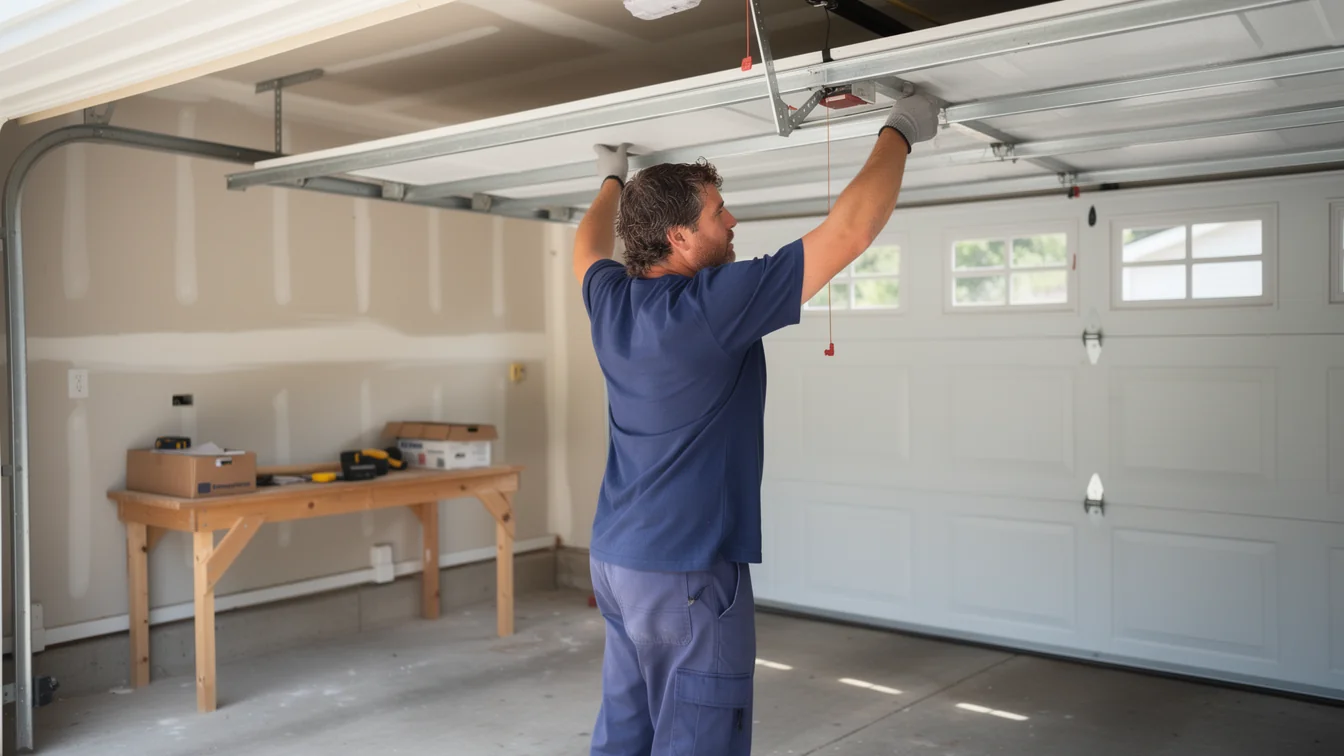
When a Rapid City Garage Door Fails in the Cold
Rapid City homes built mostly between 1972 and 2007 face real cold-weather spring failure.
Read guide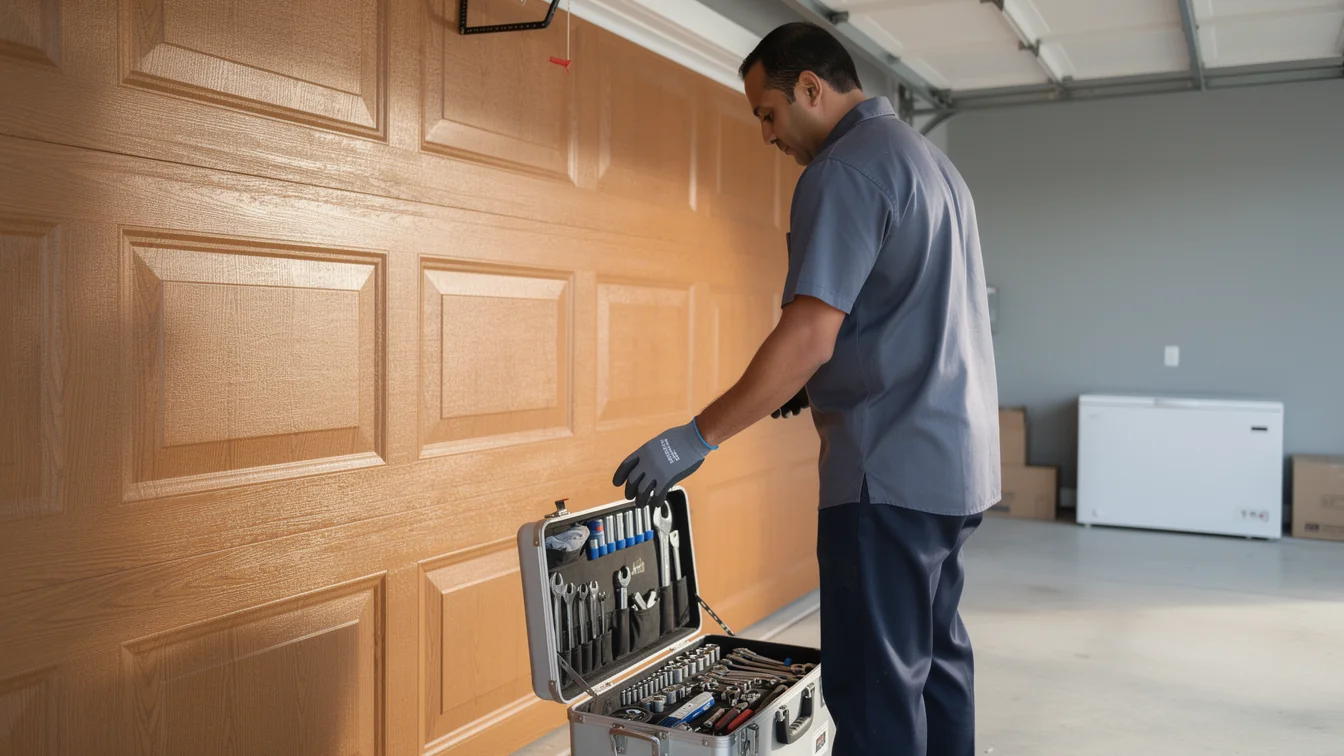
Is Your Rapid City Garage Door Worth Fixing, or Should It Go
Rapid City's housing dates mostly to 1972-2007, and the cold hits hard.
Read guide
Why Rapid City's 1980s-Era Garage Doors Struggle in Winter
Most Rapid City houses went up between 1972 and 2007, and the original hardware wasn't built for this cold.
Read guideReady when you are
Need a garage door sorted in Rapid City?
Rapid City Garage Door Pros repairs and installs garage doors, springs and openers in Rapid City, SD and the surrounding area.