Serving Rapid City, SD & nearby(605) 340-2412
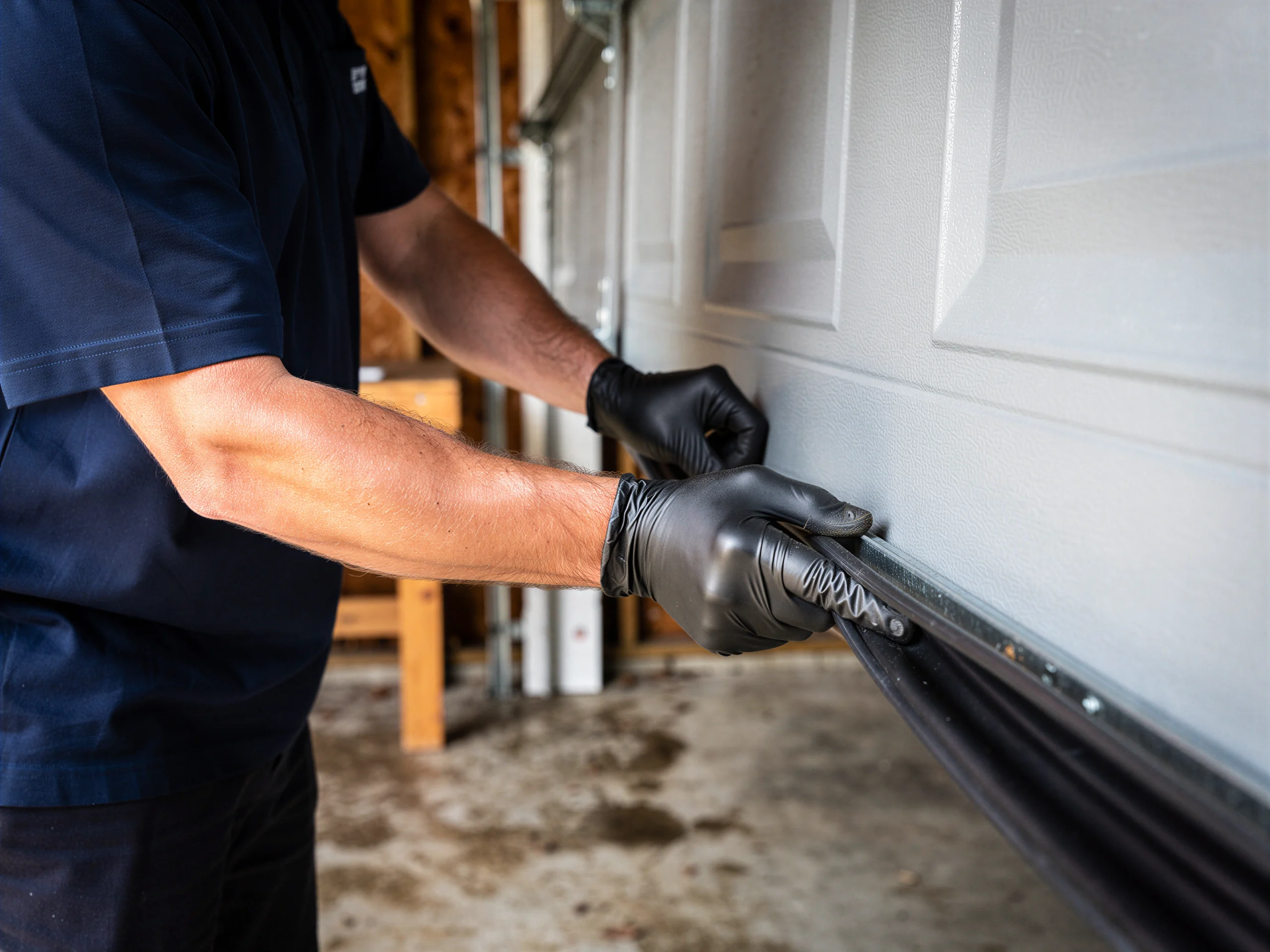
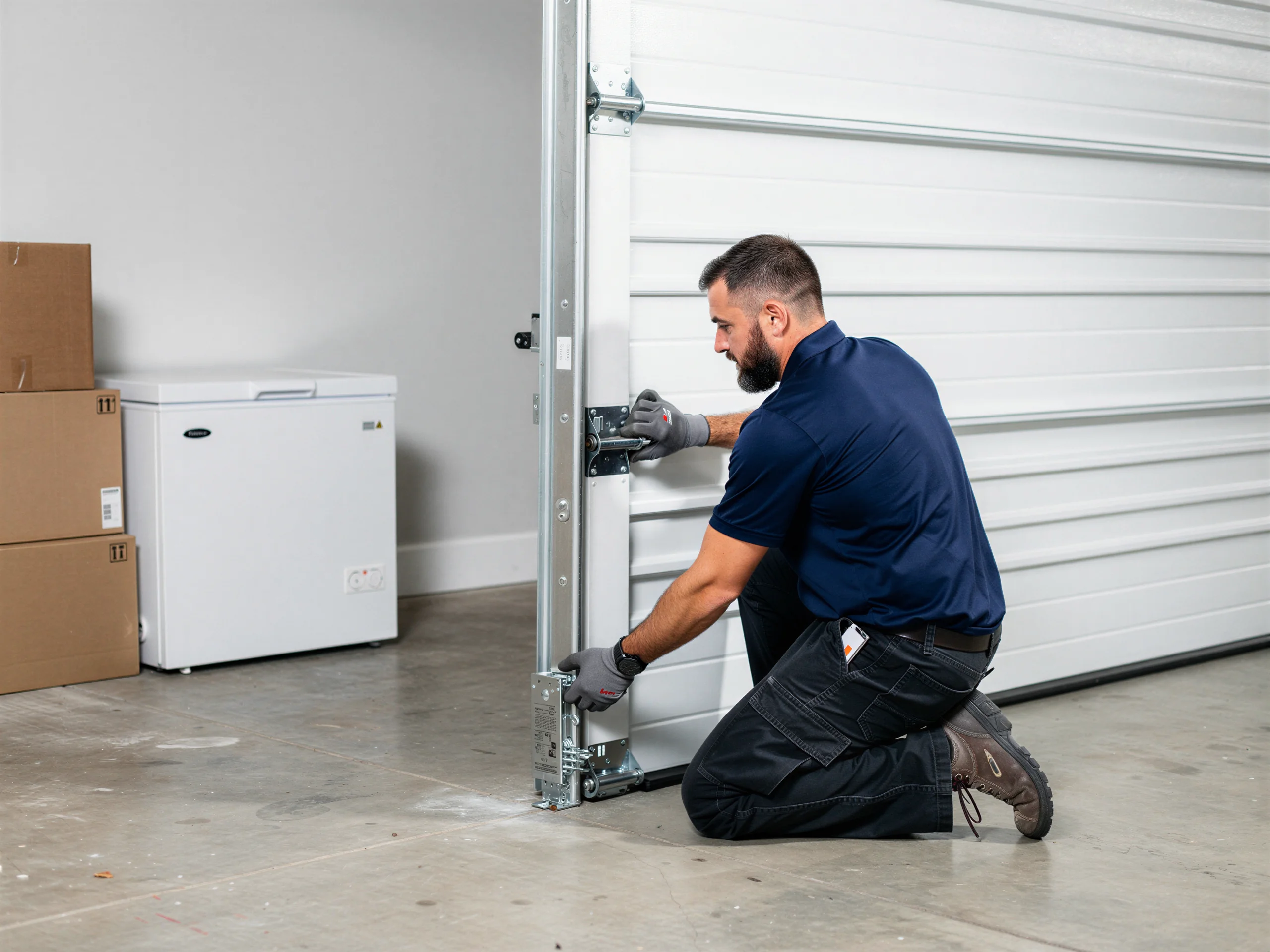
A technician kneels, adjusting the bottom roller of a white garage door.

Box Elder, Rapid City

Garage Door Repair for Box Elder, SD Homes

Box Elder's homes mostly date to 2003, newer than much of Rapid City, so doors and openers fail differently. We travel out from Rapid City for the repair.

Serving Rapid City, SDBackground-checked techsHonest, upfront pricingFast local response

Pricing

What It Costs

We don't post a flat number here because the fix depends on what's actually wrong and what parts the door needs, and we'd rather tell you that straight than guess at a figure that doesn't hold up once a tech is standing in your garage. What we can tell you is that Box Elder's housing stock skews newer than a lot of the Rapid City area - homes here cluster around a 2003 build year, well past the 1989 median for the wider service area - which means openers with circuit boards instead of simple relay logic, and springs rated for standard steel sectional doors rather than the older single-panel setups you find on 1970s and 80s builds elsewhere. That newer gear isn't cheaper to fix, just different: a logic board swap costs differently than a 40-year-old spring set, and a tech needs to know which one he's quoting before he opens his mouth. If your door is original to a 2000s build, ask what's actually failed before you assume it's the cheap fix. We'll tell you if it isn't.

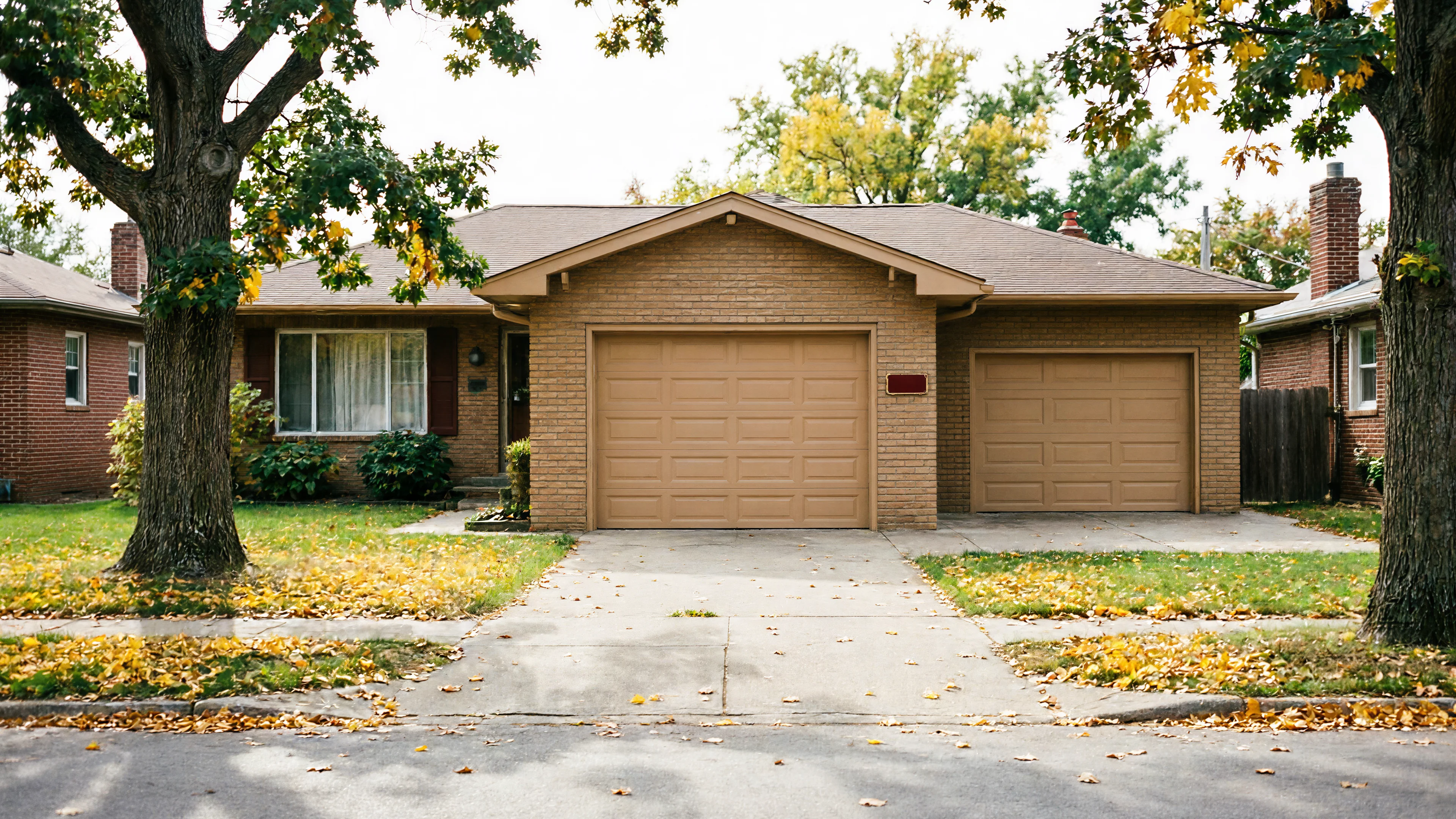
A brick house has two tan garage doors and a driveway with fallen leaves.

Local causes

Why This Fails Locally

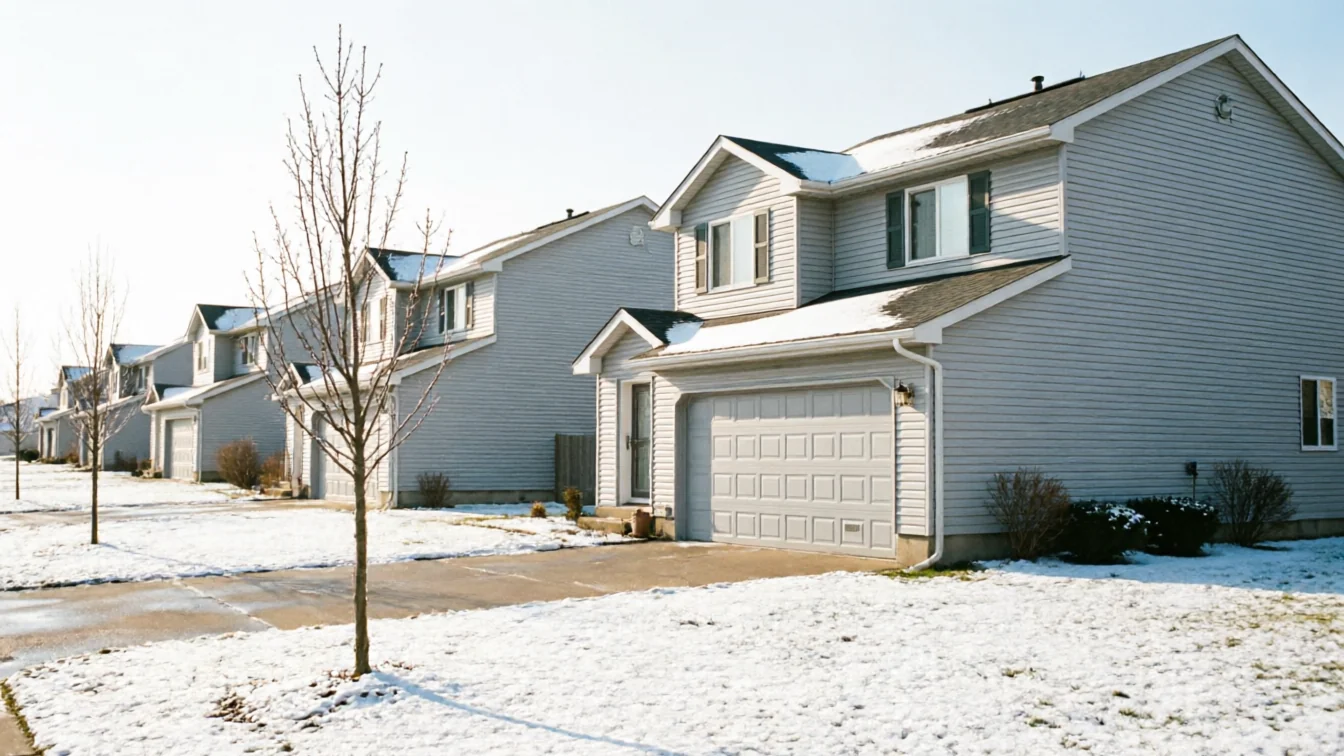
A row of houses with light gray siding and white garage doors in winter.

Box Elder runs about 4,311 households, smaller than the Rapid City area's 10,745, and that size matters for what calls actually come in from here: fewer multi-unit complexes, more single-family doors on openers installed when the house was built. Because median construction here lands around 2003 - newer than the 1972-2007 range and 1989 median for the broader nine-area service territory - the failures we see trending out of Box Elder lean toward opener electronics and plastic drive gears wearing out on schedule, not the ancient torsion hardware that shows up on older Rapid City stock. Add the region's severe cold winters and you get a specific combination: newer steel doors with factory weatherstripping that still hardens and cracks in deep cold, springs cycling through temperature swings that shorten their life faster than the rating sticker suggests, and openers whose sensors misread in low light during short winter days. None of that is a Rapid City problem with a different zip code attached - it's what you get when a town's housing age and a cold climate band overlap the way they do here. A tech who assumes Box Elder doors are old and worn like the rest of the service area will diagnose the wrong failure.

Job timing

Time on the Job

A straightforward opener board or sensor swap on the kind of post-2000 door common in Box Elder usually moves faster than work on older torsion systems, mainly because the mounting hardware is more standardized and there's less rust to fight through on newer brackets.

Winter thaw delays

Where it slows back down is winter: frozen track channels and stiff weatherstripping on these newer steel doors need time to thaw and flex before a tech can safely pull panels or reset alignment, and we're not going to force a cold, brittle door just to hit a shorter number on the clock.

No fixed hour count

We don't quote a fixed hour count here because door width, the number of panels affected, and whether the opener needs a full unit swap versus a sensor realignment all change the math.

Clock stops for parts

What we will say plainly: if a job needs a part we don't carry on the truck, the clock stops until that part's in hand, and that's the honest limitation, not a sales pitch for a faster appointment.

Booking

How to Book

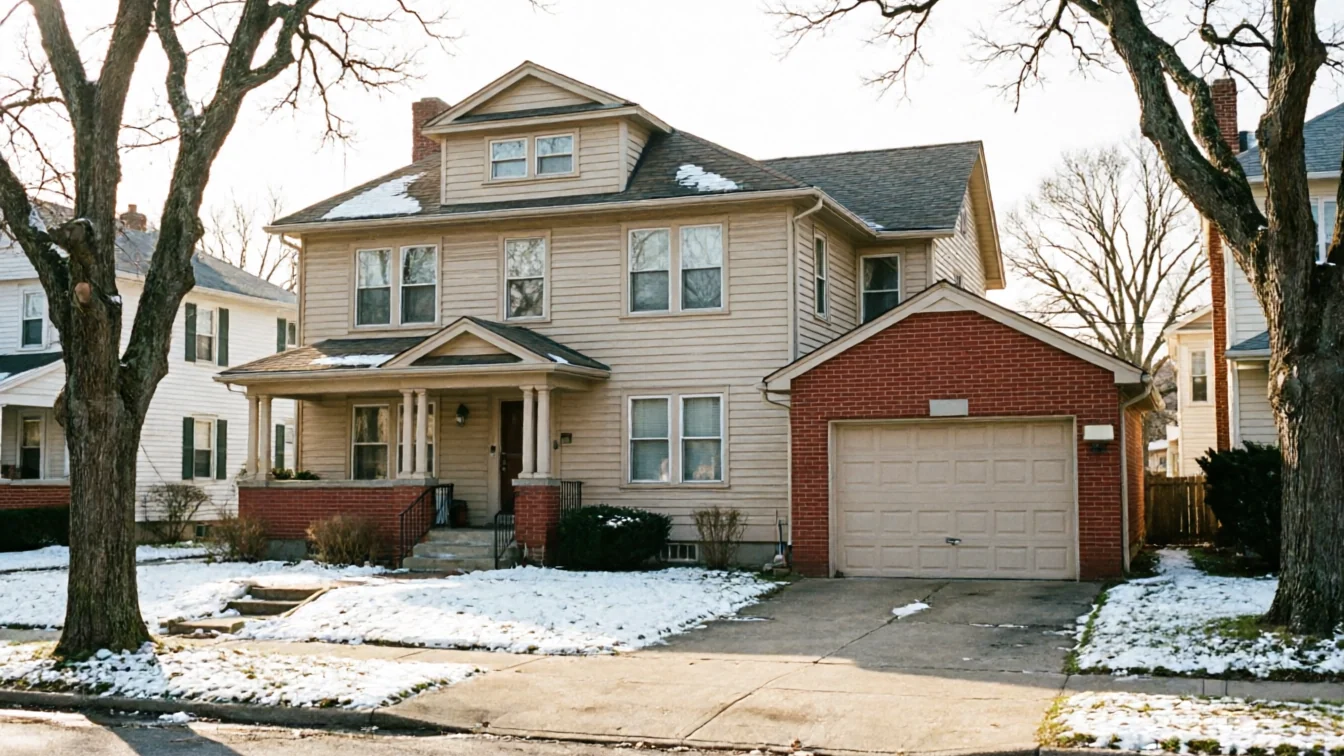
A beige house with a brick garage and a beige garage door in winter.

Box Elder sits about 7 miles out from Rapid City, and that's the number that matters for scheduling - we're coming from Rapid City, not from a depot in town, so booking works the same way it does for the rest of the service area we cover from there. Check the coverage page for Box Elder to confirm we're running jobs in your part of town, then use the Rapid City repair page to get a tech looking at the actual problem rather than guessing over the phone. We don't promise a same-day window here specifically; what we promise is a tech who knows the difference between a 2003-era opener board and a 1980s relay system before he quotes you anything.

On the truck

Stocked Parts

Because Box Elder's housing stock runs newer than much of the surrounding service area - median build year around 2003 versus the 1989 midpoint across the nine named areas - the parts that move fastest out here are opener logic boards, photo-eye sensors, and nylon rollers sized for standard steel sectional doors, not the heavier older torsion springs and single-panel hardware that still show up on calls from the oldest pockets of Rapid City. We carry common opener sensor kits and standard-width torsion springs rated for the area's cold band, since cold cycling is what shortens spring life out here regardless of how new the door itself is. What we don't carry on the truck is anything proprietary to a specific opener brand's newest smart-home module - those sometimes need an order, and we'll tell you up front if that's the case rather than stall you with a vague timeline.

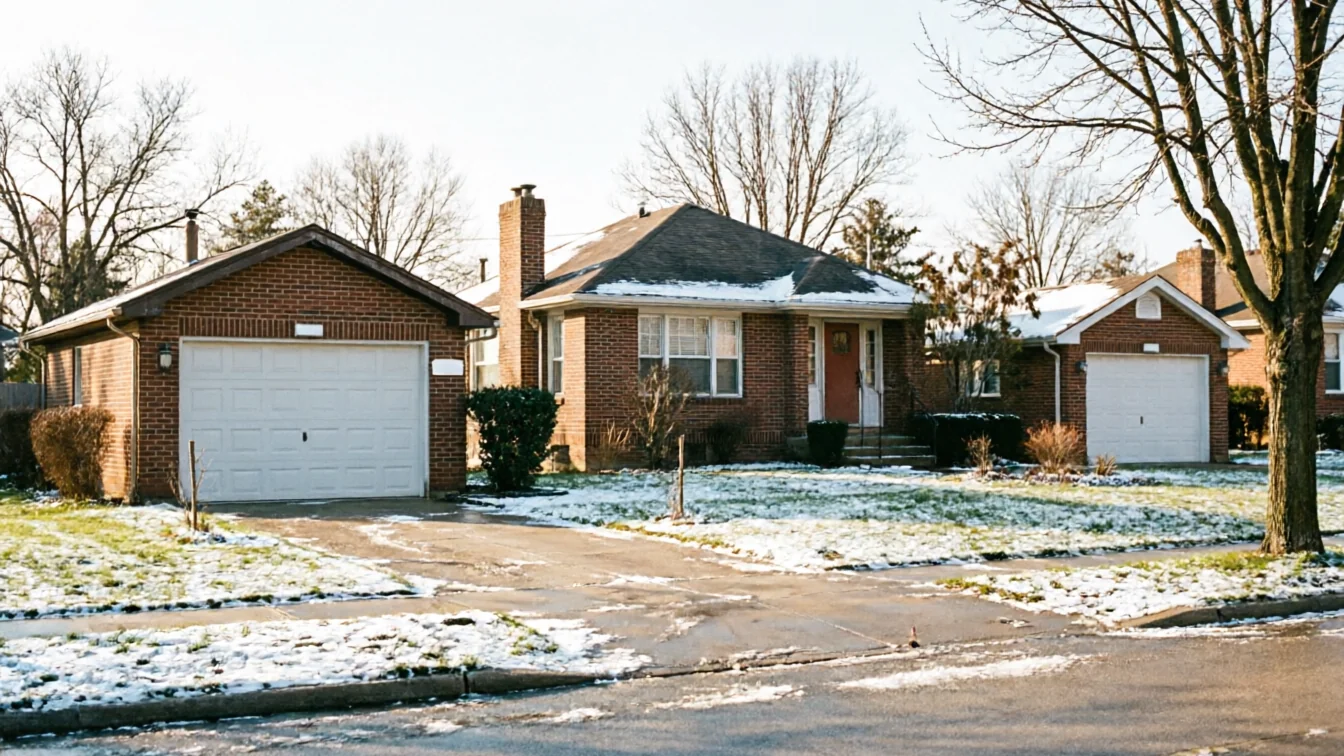
A brick house with a white garage door, a detached garage, and a separate garage.

The repair

What the Repair Takes

On a door built around the early 2000s, the repair usually starts at the opener, not the spring - checking the logic board, the sensor alignment, and the drive gear before touching the torsion system, since that's where failures cluster on this newer stock.

  1. Standard torsion hardware

    If it is a spring, we're working with standard torsion hardware sized for steel sectional doors, which is more straightforward to source and replace than the older single-panel setups found on Rapid City's oldest housing.

  2. Warming stiff weatherstripping

    Cold-weather jobs add a step: letting stiff weatherstripping and a frozen track channel come up to a workable temperature before any panel comes off, because forcing a brittle door in severe cold risks cracking a panel that didn't need replacing.

  3. Full cycle load testing

    We test full open-close cycles under load before calling a job done, and if a part's failed in a way the opener's board can't be reset around, we say so instead of patching it to get through the appointment.

Questions

Common questions

Do you have a shop or truck based in Box Elder?

No. We run jobs in Box Elder from Rapid City, about 7 miles away. That doesn't change how the repair gets diagnosed or done, but we're not pretending to a local depot we don't have.

Why does my opener fail differently than my neighbor's older house in Rapid City?

Box Elder's homes mostly date to around 2003, newer than much of the wider Rapid City service area where the median build year sits closer to 1989. Newer openers fail at circuit boards and sensors more than at the mechanical relays and old torsion hardware common on older stock.

Does cold weather really affect a newer garage door?

Yes. The region sits in a severe cold climate band, and that shortens spring life and stiffens weatherstripping regardless of how new the door is. A 2003-era steel door still cracks and binds in deep cold if the track freezes.

Can you give me a flat repair price over the phone?

Not accurately. Cost depends on what's actually failed - an opener board, a sensor, a spring - and we'd rather look at the door than quote blind. We'll give you a real number once a tech has seen it.

Ready when you are

Need a garage door sorted in Rapid City?

Rapid City Garage Door Pros repairs and installs garage doors, springs and openers in Rapid City, SD and the surrounding area.

CallGet a quote