
Hard-to-source opener boards
A circuit board or logic unit on an opener that age is getting hard to source, and chasing down a part for a motor that's already near the end of its working life rarely saves much once you count the service call.
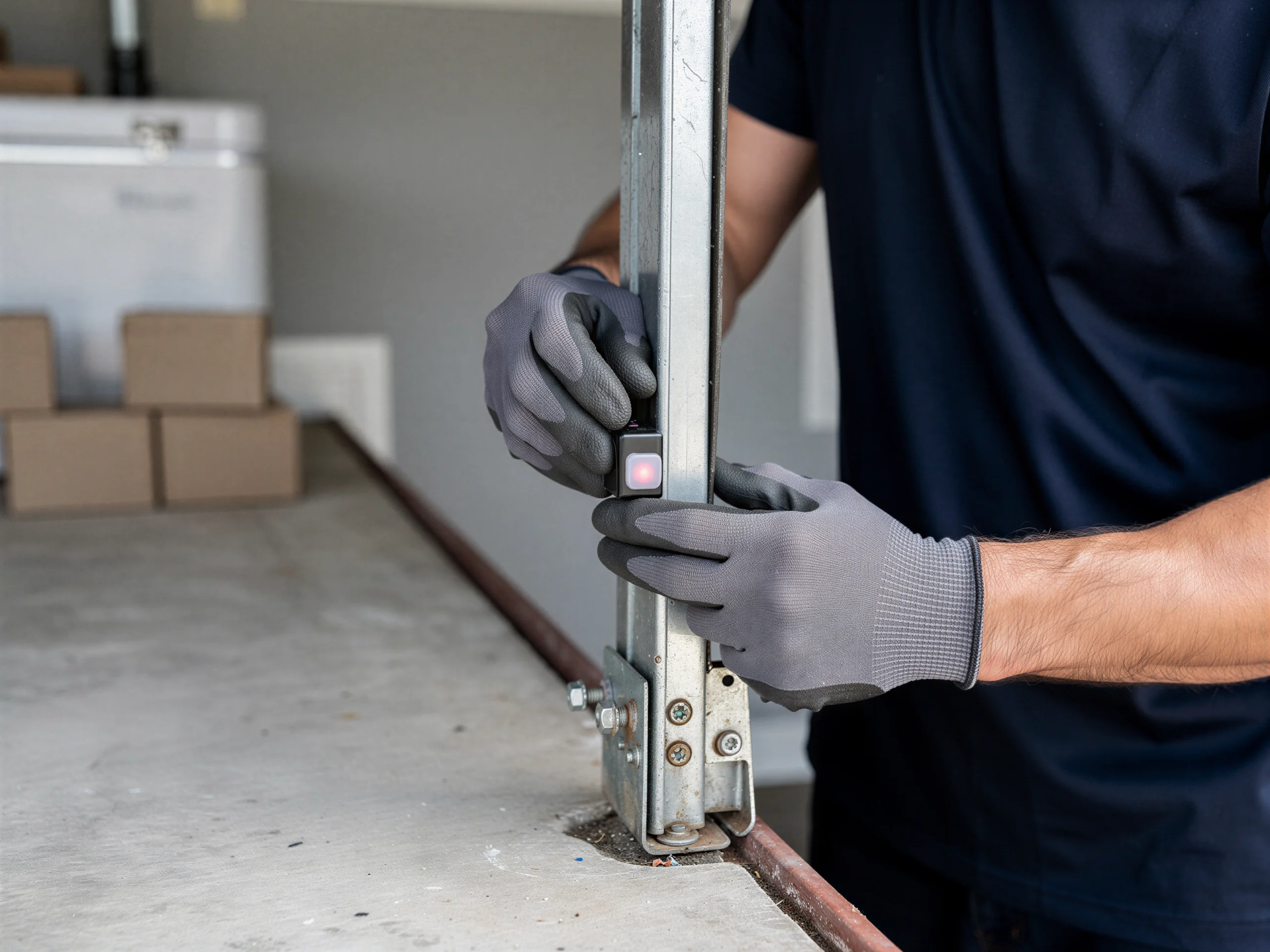
Hill City, Rapid City
Opener repair for Hill City's 1990s-era homes, traveled from Rapid City. See how the area's $85,714 median income shapes the repair-or-replace call.
Booking
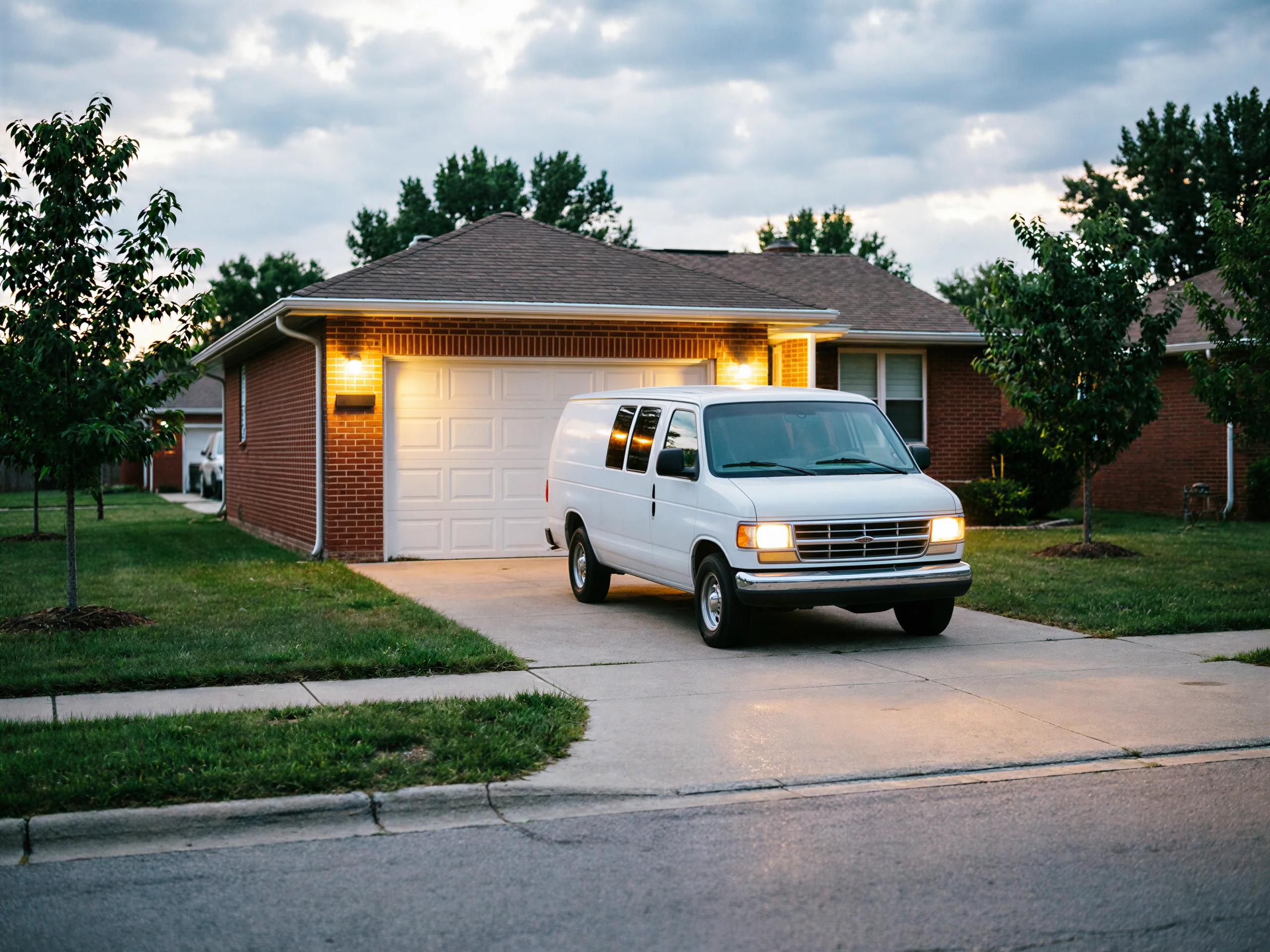
We run this job out of Rapid City, about 20 miles down the road, so we're not pulling up in five minutes the way a shop sitting in town might.
What we can do is schedule the drive around your day instead of asking you to work around ours. Call and tell us what the opener is doing - grinding, reversing, dead at the wall button, or running but not pulling the door - and we'll bring the parts that match what you describe instead of guessing on site.
Hill City is a longer haul than the closer suburbs we cover, so it helps to batch the visit: if the opener's acting up and you've also got a noisy roller or a slipping cable, mention both when you call.
One trip covering two problems beats two trips covering one, especially on a 20-mile run. We book Hill City jobs the same way we book anywhere else in the service area - we just plan the route.
Pricing
Median household income out here runs $85,714, noticeably higher than the $78,801 median across the wider service area. That matters for one reason: at this income level, replacing a dead opener outright is often the more sensible call than nursing along a unit built for a house that went up in the early '90s.
A circuit board or logic unit on an opener that age is getting hard to source, and chasing down a part for a motor that's already near the end of its working life rarely saves much once you count the service call.
We'll tell you straight when a repair is the cheaper path and when it isn't - we don't pad a bill with a fix that won't hold. We don't quote exact repair or replacement prices here, since the right number depends on what's actually broken and what brand opener you're running.
What we can say is that the decision usually comes down faster for owners in this income bracket, because the math on a new opener versus a patched-together twenty-year-old board tips toward new sooner.
The repair
Hill City's housing stock, like most of the area, is mid-to-late century - median build year here sits around 1992, squarely in the 1980s-and-90s wave that makes up most of the service area's homes.
Openers installed when these houses were built are chain-drive units from a generation before today's belt-drive and smart-enabled models, and they're wired into circuits that weren't built with a Wi-Fi module or a battery backup in mind.
A repair call often starts with figuring out whether the opener is original to the house or a replacement from somewhere in between - that changes which parts fit and whether the travel limits and safety sensors meet current expectations.
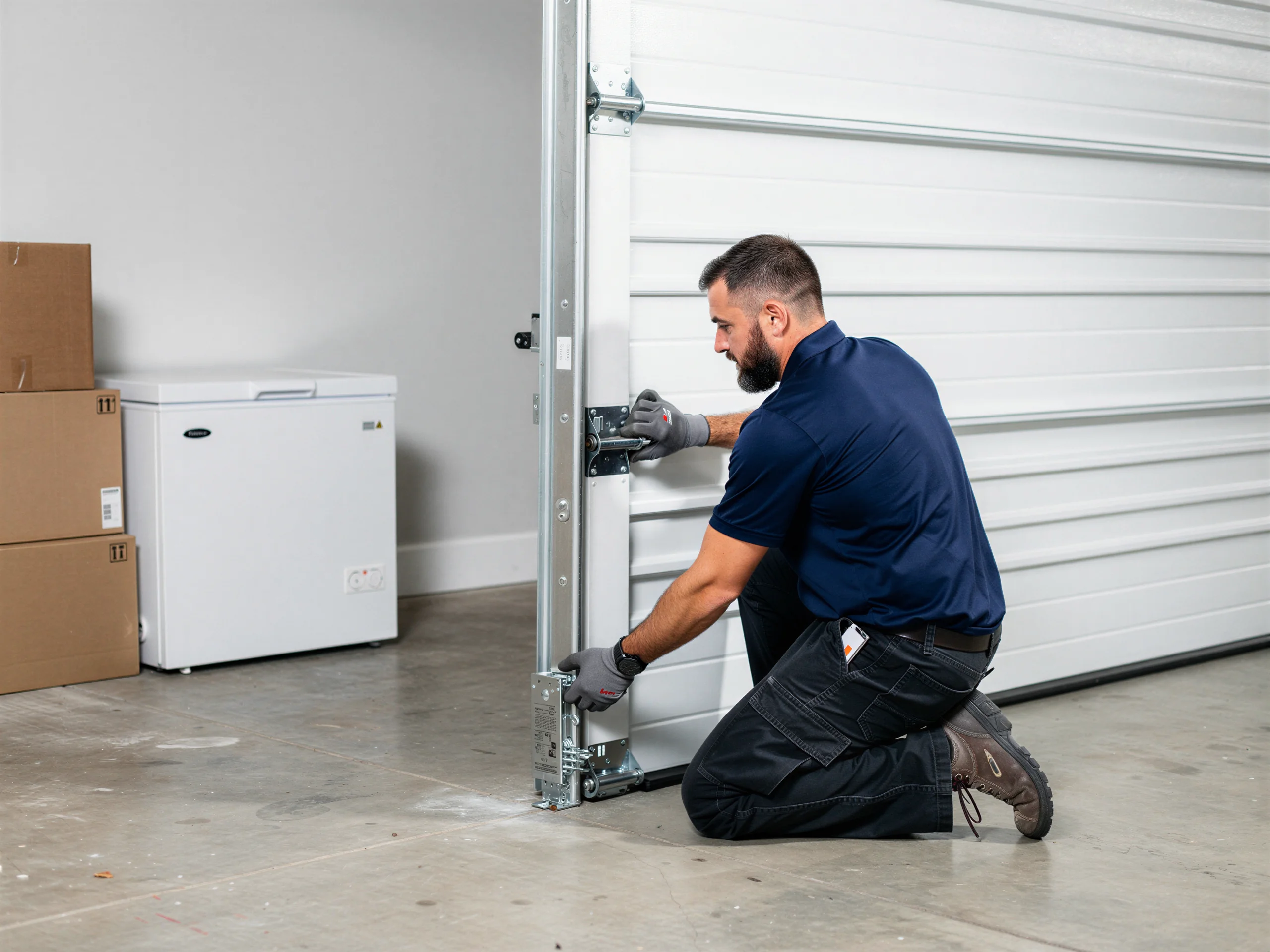
We check the drive gear, the capacitor, the logic board, and the safety reversal sensors before touching anything, because an opener that reverses late or not at all is the one that gets someone hurt, not just stuck.
Local causes
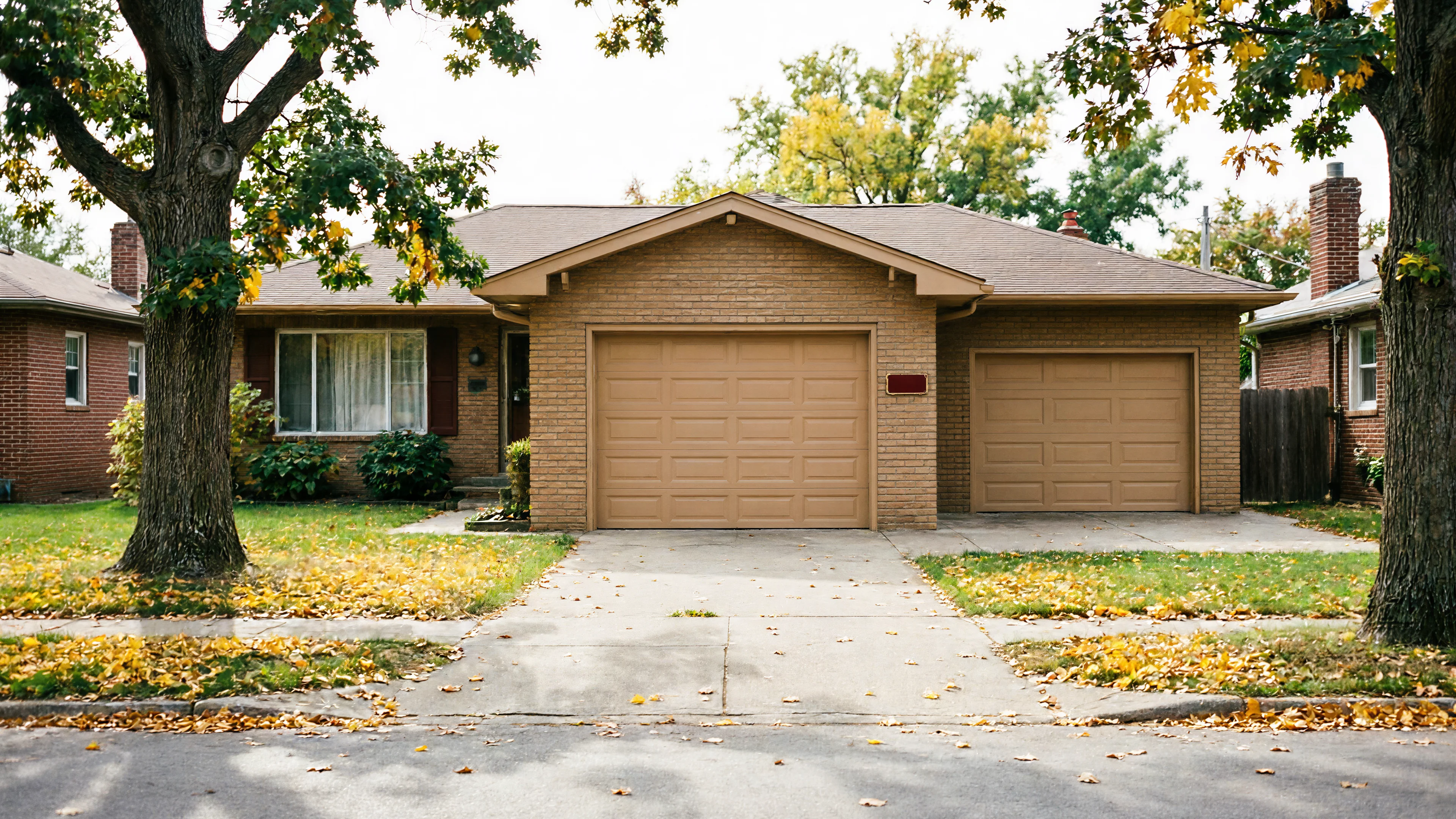
This is cold-climate country, and that's hard on garage door openers in ways that don't show up in warmer regions. Grease inside the drive assembly stiffens in a hard freeze, which drags down the motor and trips the force settings - that reads to most owners as 'opener's dying' when it's really the cold fighting the gearbox. Openers on houses from the early '90s often weren't built with cold-rated lubricant or sealed logic boards, so repeat freeze-thaw cycles work moisture into connections that corrode over a few winters. We see this pattern across the service area generally, but it hits unit-for-unit here just like anywhere the housing dates to that same build window. If your opener struggles every winter and runs fine by May, that's not a coincidence - it's the cold finding the weak point in hardware that's now past its original service life.
On the truck
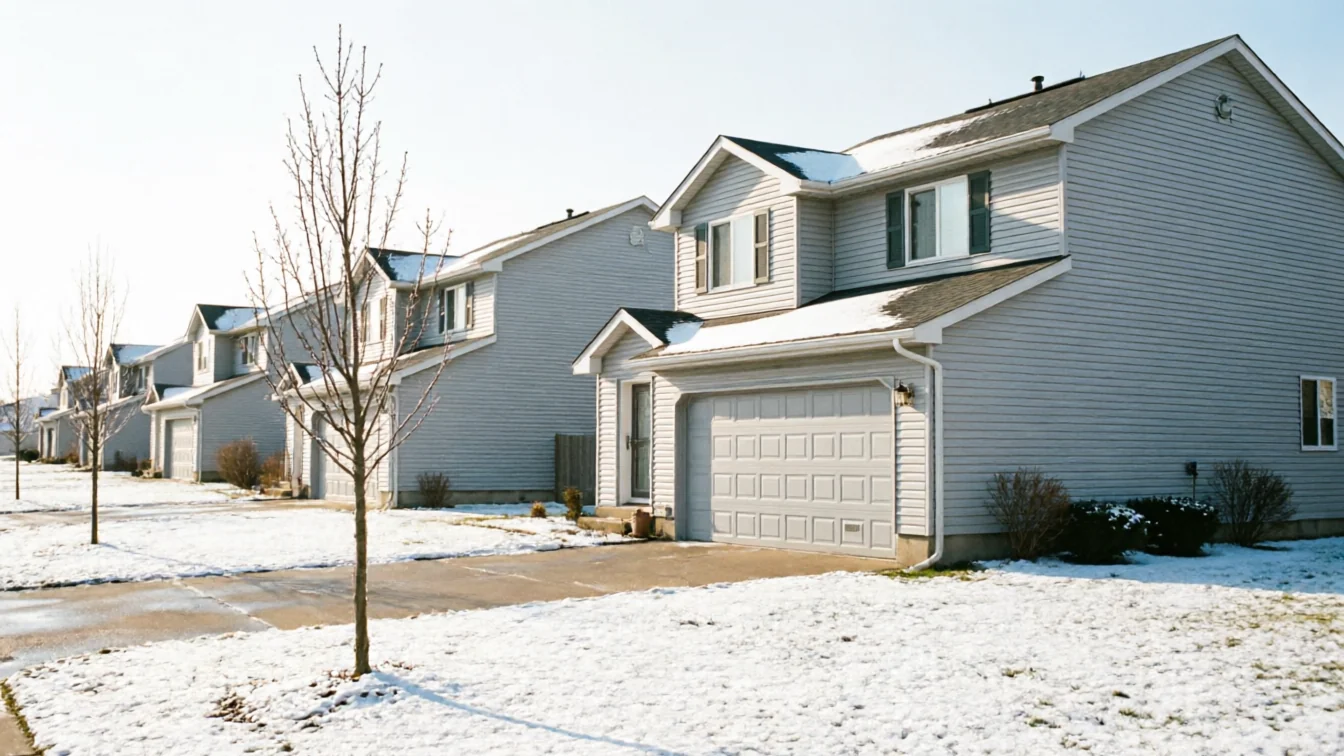
We carry the drive gears, capacitors, and safety sensor kits that fit the chain-drive and early belt-drive openers common to houses built in the 1980s and 90s across the service area, which covers the era Hill City's homes mostly fall into. What we don't keep on the truck is a logic board or circuit module for every obsolete opener model - some of those parts are discontinued by the manufacturer, and if yours needs one, we'll tell you upfront that it's a special order rather than pretend we can fix it same-visit. That's the honest limit of a traveling repair truck: we stock what covers the bulk of what breaks on this era of opener, not every board ever made. If your unit needs something off that list, replacement usually ends up being the faster and cheaper route anyway.
Questions
No. We're based in Rapid City and travel to Hill City, about 20 miles away, for opener repair calls. There's no local depot here, so we schedule the drive rather than offering a walk-in shop in town.
Cold stiffens the grease in the drive assembly and drags on the motor, which trips the force settings and can look like the opener is failing. This shows up across the whole area's cold climate, and it's harder on openers original to houses built before modern cold-rated lubricants were standard.
Depends what's broken. A drive gear or capacitor is a straightforward swap. A dead logic board on an opener from that era is often discontinued and hard to source - at that point, with median income here at $85,714, most owners find replacement pencils out cheaper than chasing a part.
Explore more
Ready when you are
Rapid City Garage Door Pros repairs and installs garage doors, springs and openers in Rapid City, SD and the surrounding area.