
Early edge of range
New Underwood sits at the early edge of that range - its homes mostly went up around 1972, close to two decades before the typical house we work on elsewhere in the territory. That gap matters more than it sounds like it should.
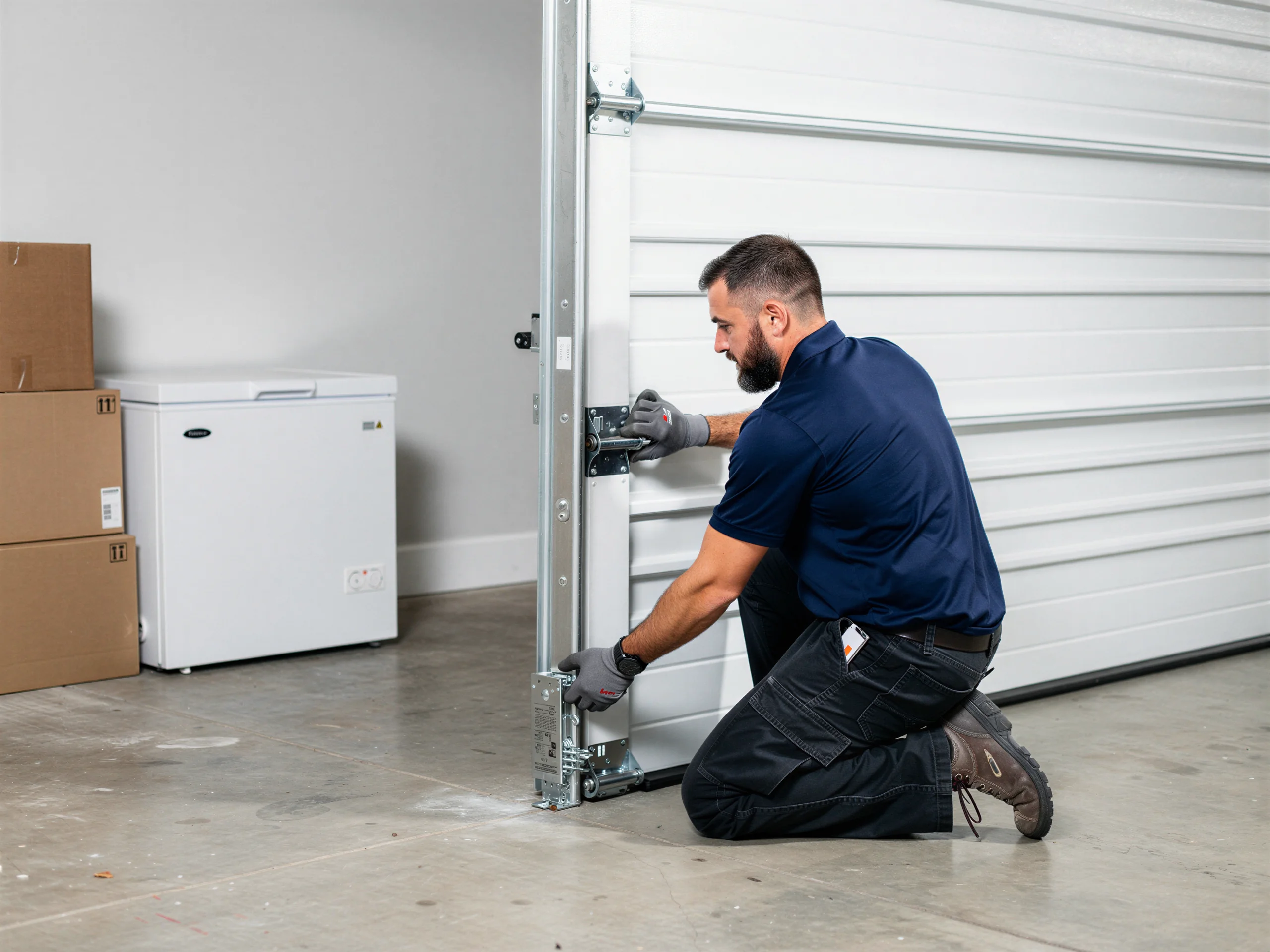
New Underwood, Rapid City
New Underwood homes mostly date to 1972, older than the 1989 median across the wider service area. We cover the 18-mile drive from Rapid City for spring and opener repair.
Warning signs
Rapid City Garage Door Pros covers nine areas out from Rapid City, and the housing stock across all of them runs 1972 to 2007 with a median build year of 1989.
New Underwood sits at the early edge of that range - its homes mostly went up around 1972, close to two decades before the typical house we work on elsewhere in the territory. That gap matters more than it sounds like it should.
A door and opener installed in a house built in the early 1970s has usually been through at least one full replacement cycle already, sometimes two, and whatever's on the track now may not match what the original builder put in. We see more mismatched hardware here - a newer opener bolted to an old track, or a replacement door hung on original springs - than in the newer subdivisions closer to Rapid City.
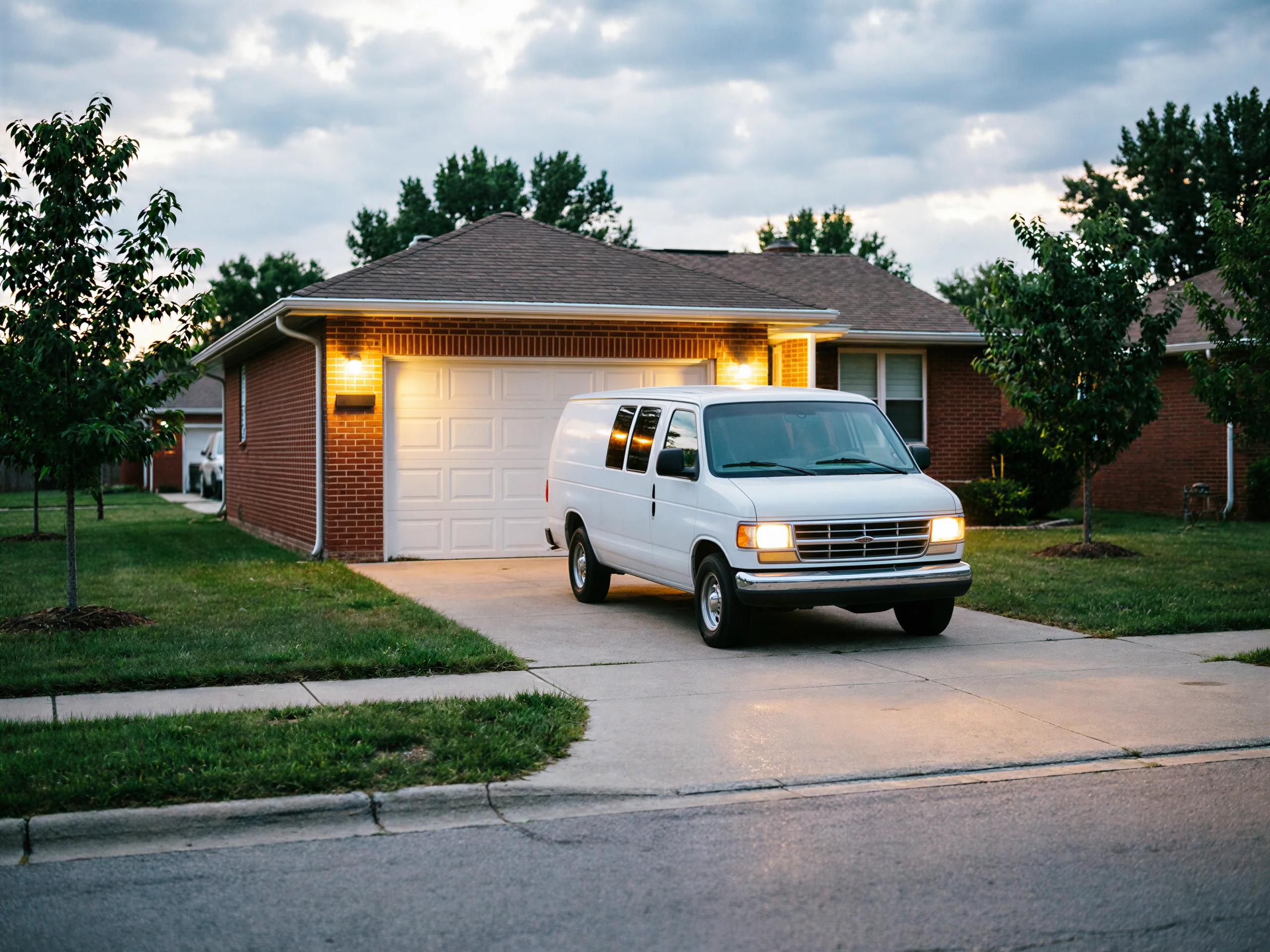
The other number worth knowing before a call: New Underwood is about 18 miles out, and we come from Rapid City to get there. We don't keep a crew or a truck stationed in town, so every job here is a dispatched visit, not a drop-by. That's not a complaint, just the layout of the territory, and it's worth knowing going in.
Local causes
Houses built around 1972 were framed before current energy codes pushed insulated doors and tighter opener mounting standards. A lot of the original garage doors in this vintage were single-layer steel or wood-composite, hung on hardware sized for a lighter panel than what often replaces them today. When an owner swaps in a heavier insulated door - a reasonable upgrade in a COLD severe climate zone - but keeps the original torsion spring, the spring is now undersized for the load. It won't snap on day one. It wears faster, cycles louder, and fails a year or two before it should.
The area's climate band is listed as cold and severe, which means temperature swings stress steel springs and nylon gears harder than in a mild climate. Combined with 1972-era hardware that was never rated for that stress to begin with, the failure pattern in New Underwood tends to be springs and gear-kits going out together, rather than one clean failure at a time.
Watch-outs
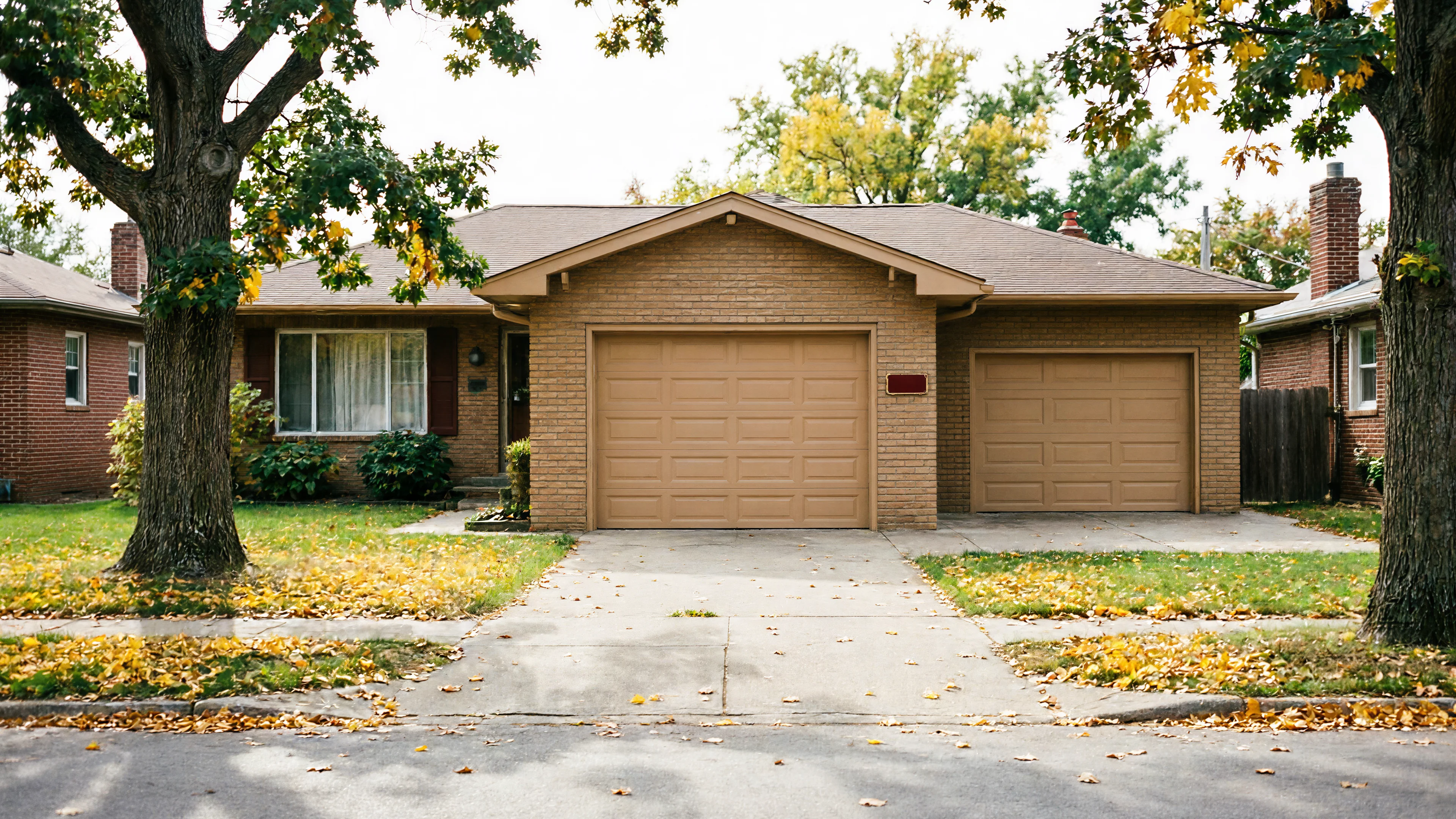
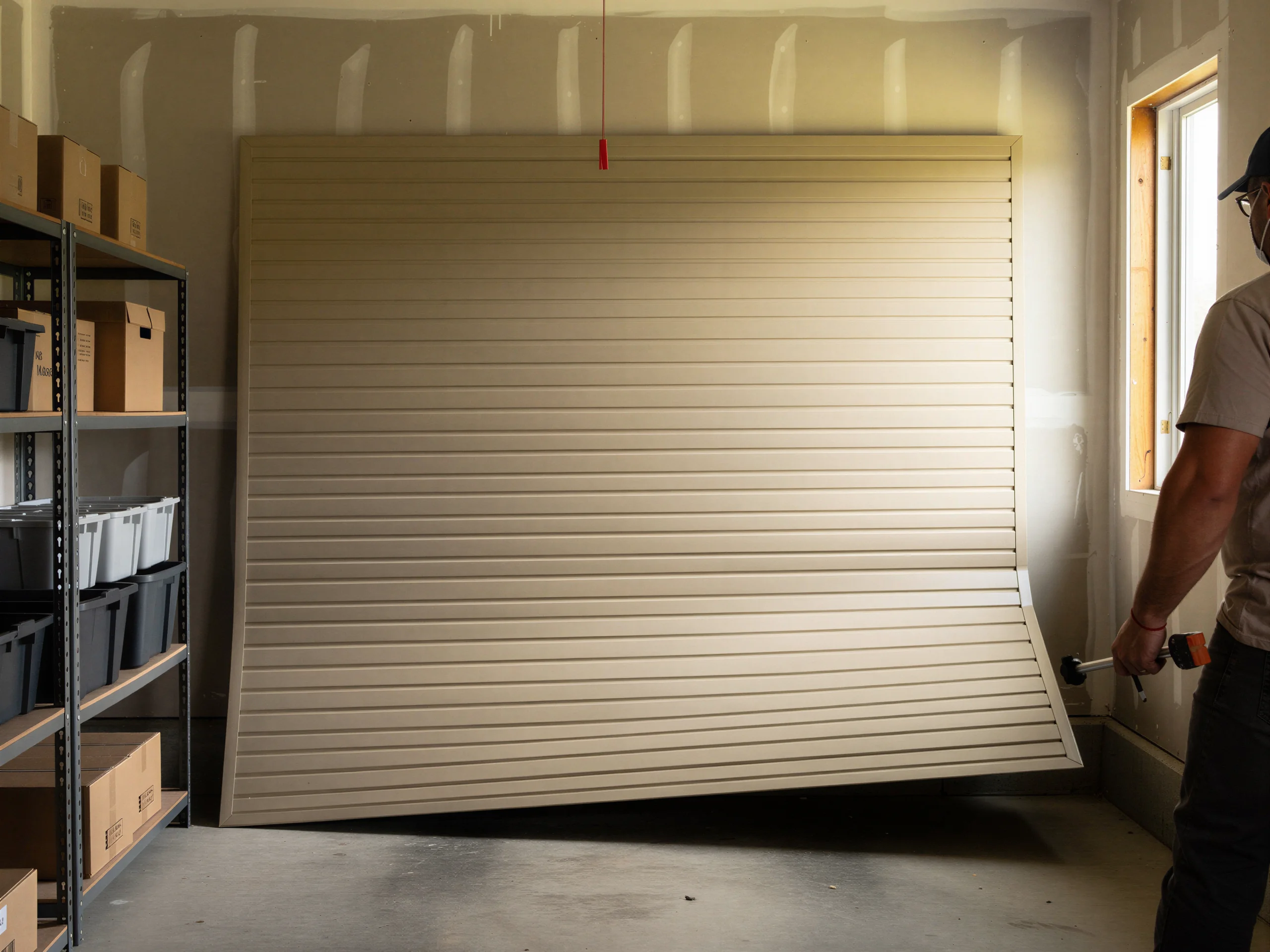
The most common call from this stretch is a torsion spring that's let go on a door that was never upgraded to match a heavier replacement panel - the spring was right for 1972, wrong for whatever's hanging on it now.
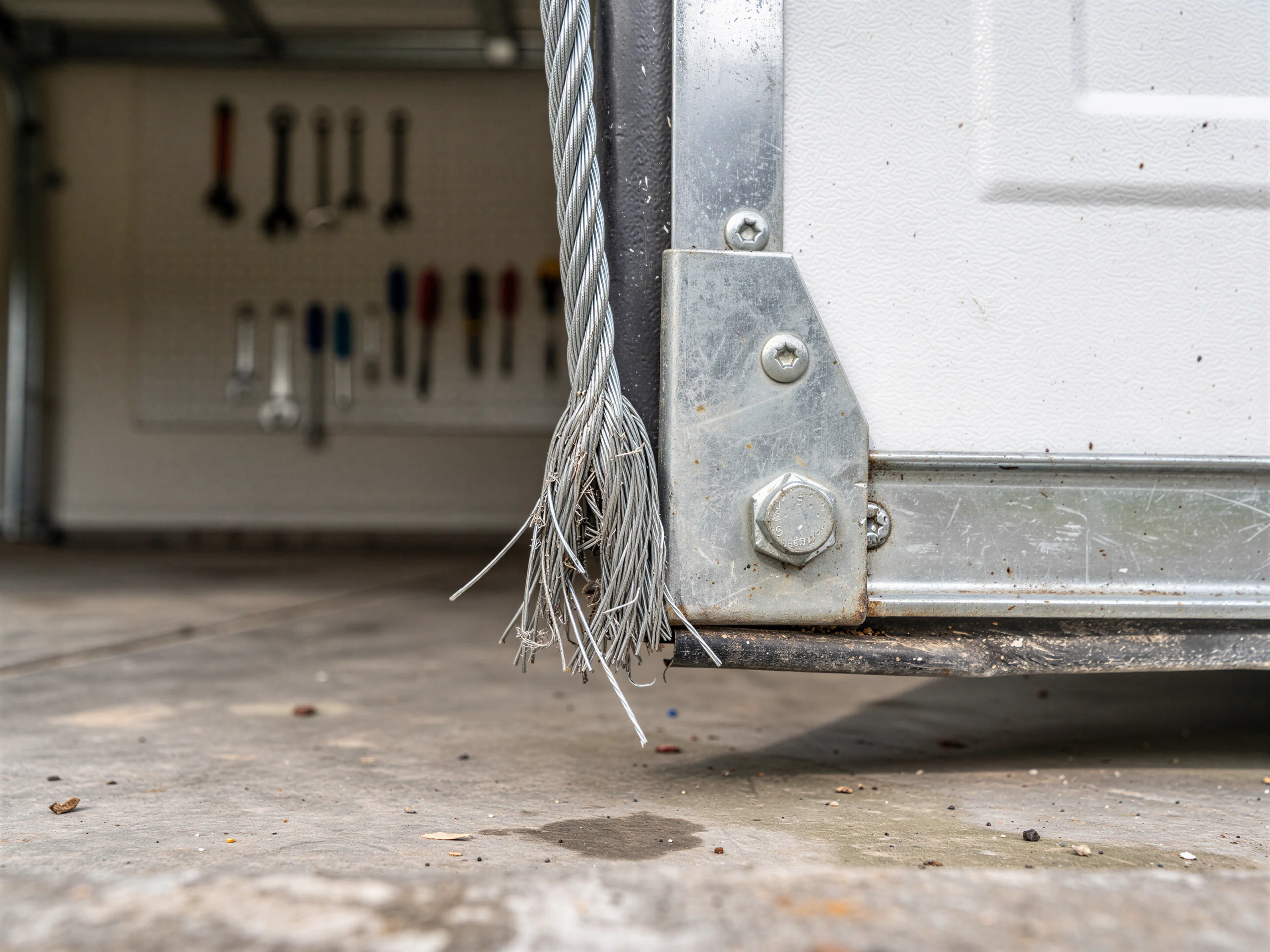
Second most common: opener gear-kits stripped out from running against a door that's gone stiff on old rollers. Cables fraying at the drum is a distant third, usually on doors that haven't had the hardware touched since the house was built.
We don't see much in the way of track misalignment from foundation settling here, which is more of a problem in different soil conditions - worth saying plainly, since not every fault in the guidebooks shows up the same way in every town.
Job timing
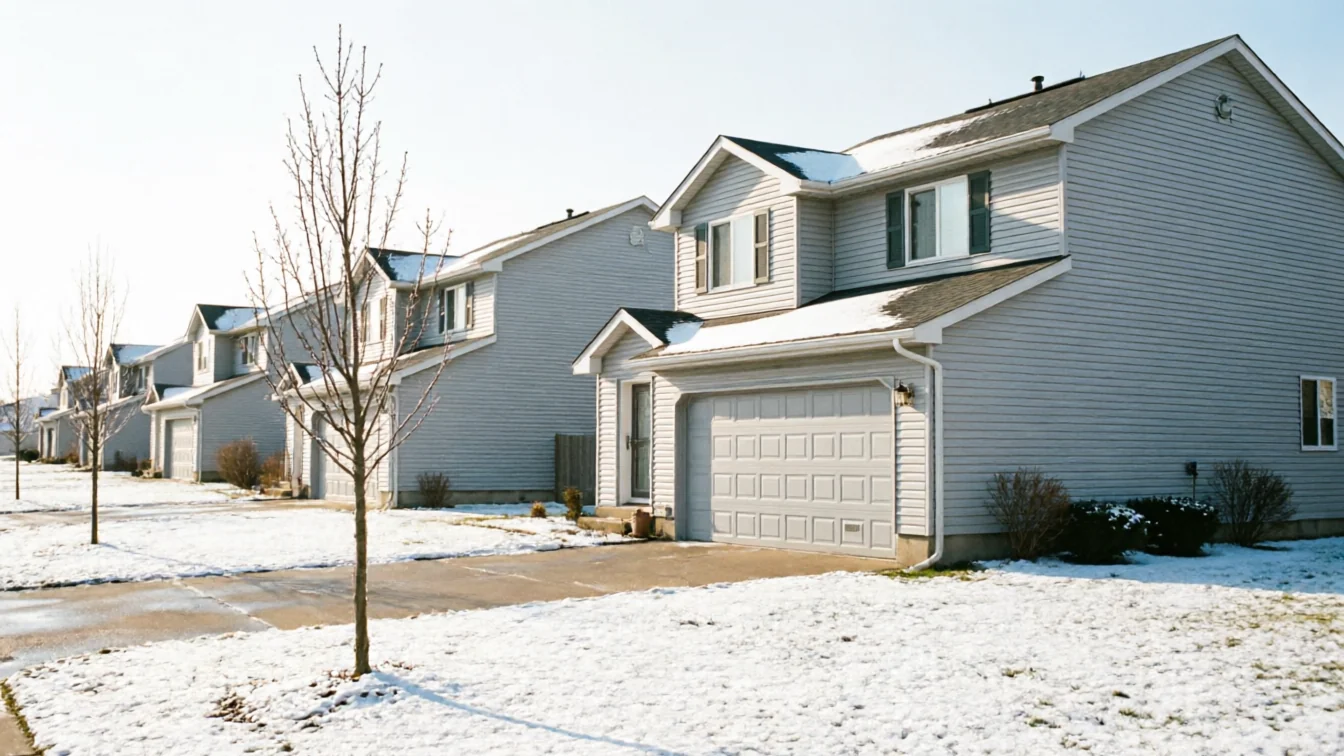
A spring swap or gear-kit replacement runs the same length of time whether it's done in Rapid City or out at a house in New Underwood - the work itself doesn't change with the address. What changes is the drive: 18 miles each way adds time to the day that a closer job wouldn't. We fold that into scheduling rather than into the repair itself, so the job on your door takes what it takes.
The repair
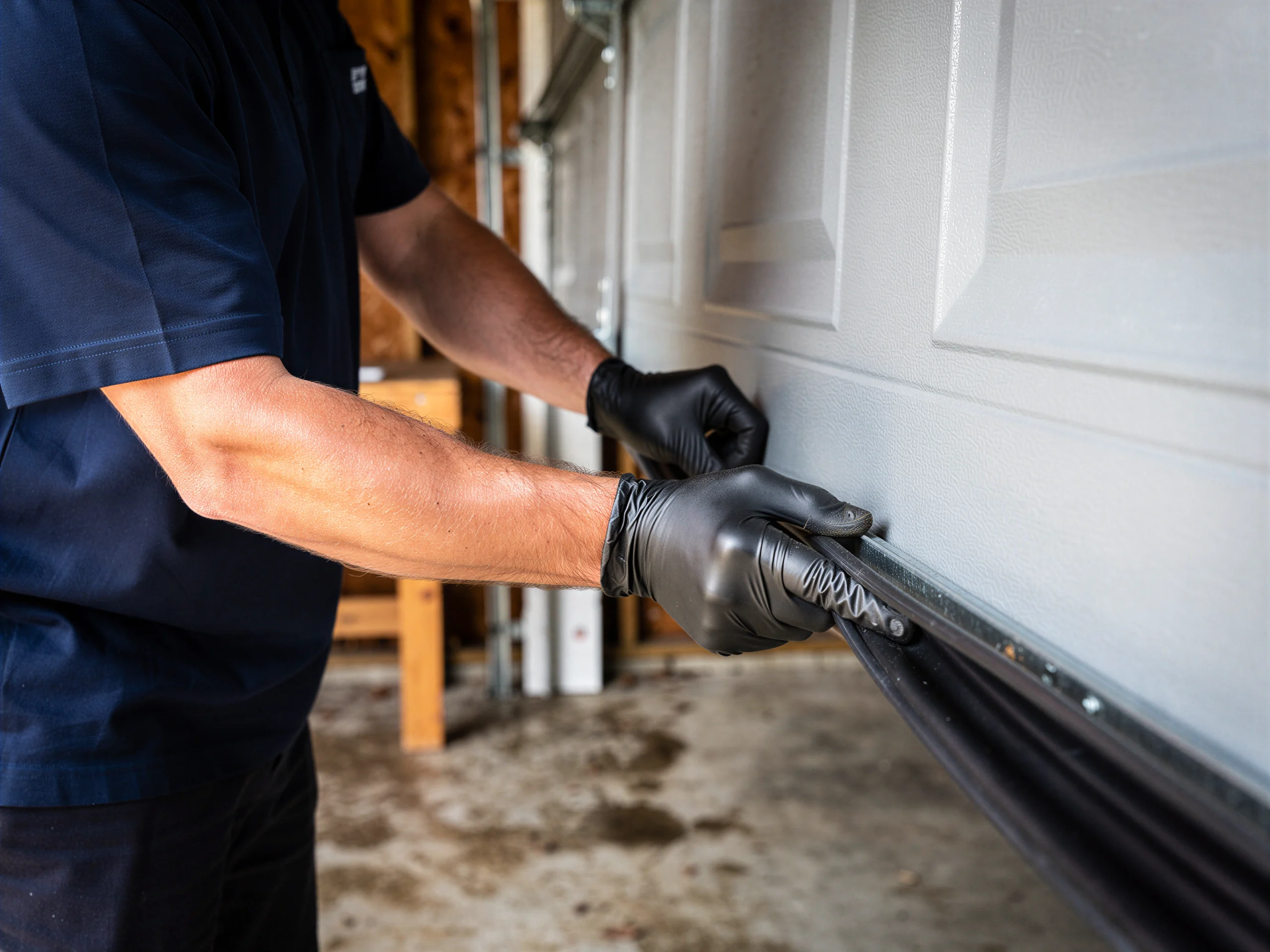
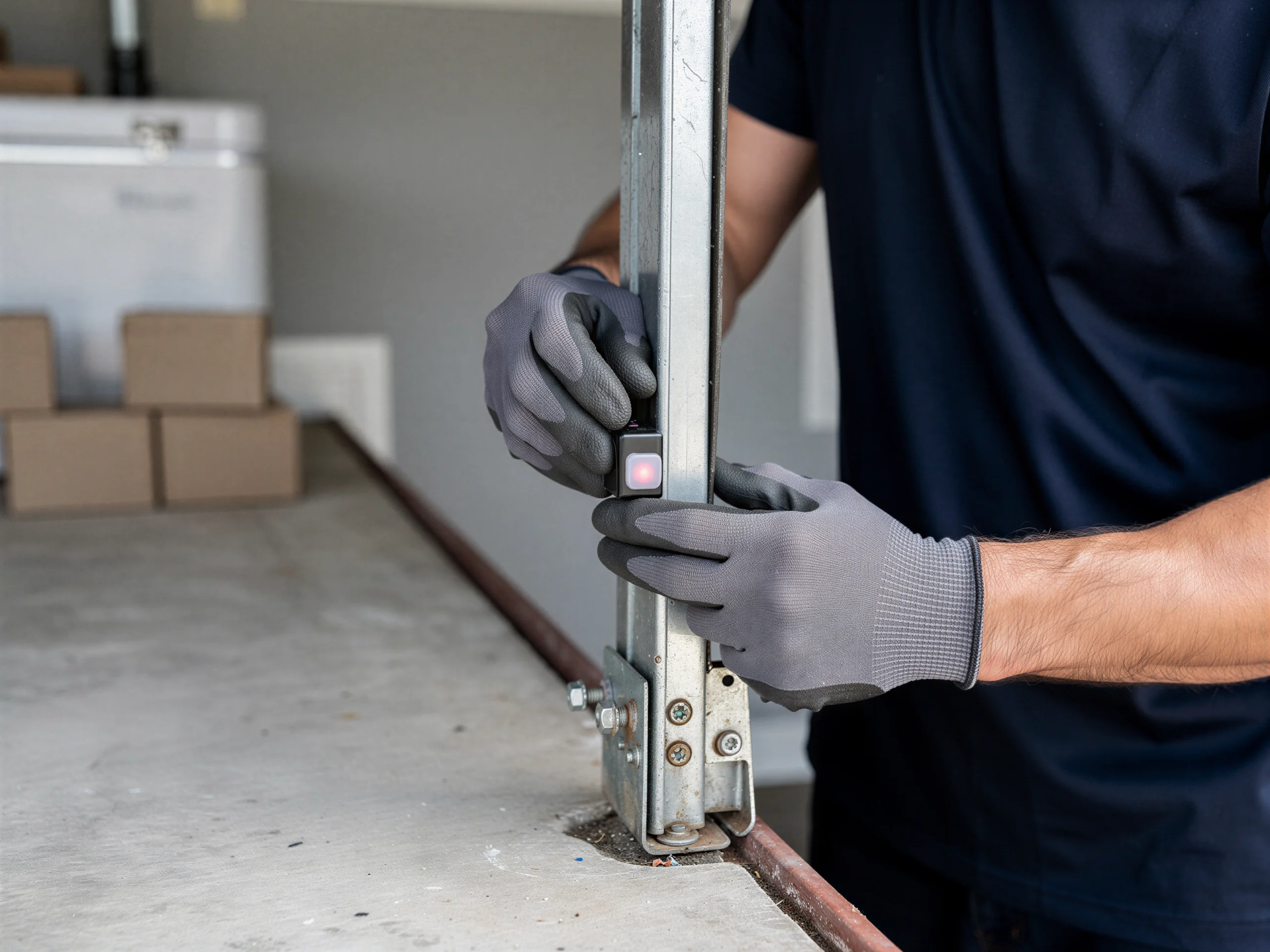
Most repairs here start with a straight diagnosis: is the spring undersized for the door that's currently hung, or is the opener straining against something else entirely.
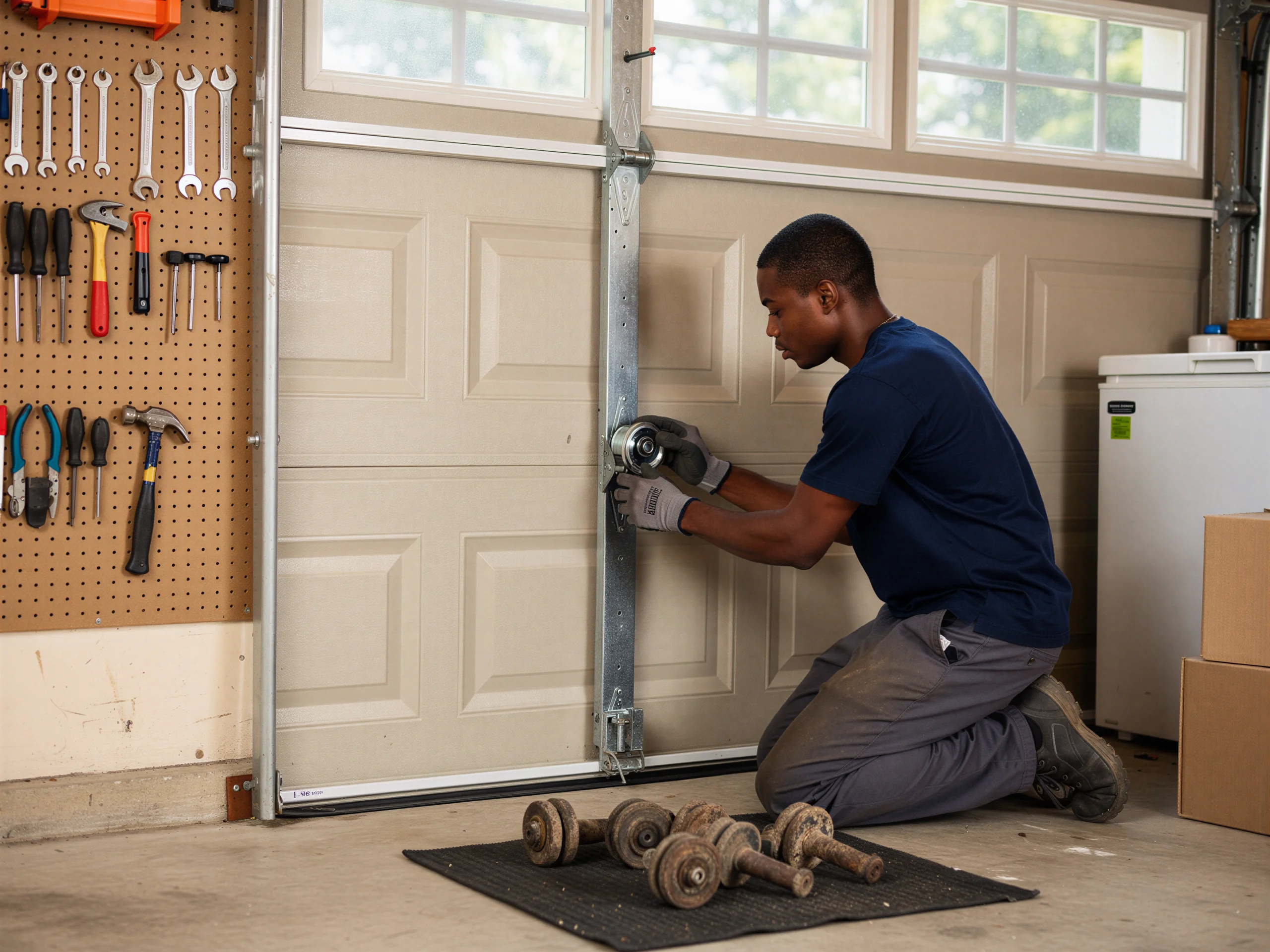
Given how many houses in New Underwood are still running original-era torsion hardware, we check spring sizing against the actual door weight before replacing anything - swapping like-for-like on a door that's already been upgraded once just repeats the same mistake.
Parts for older torsion setups aren't always something we carry on the truck. If a spring size or a specific gear-kit isn't common stock, there's a lead time to get it in, and we'll tell you that up front rather than promise a same-day fix we can't back up.
DIY or pro
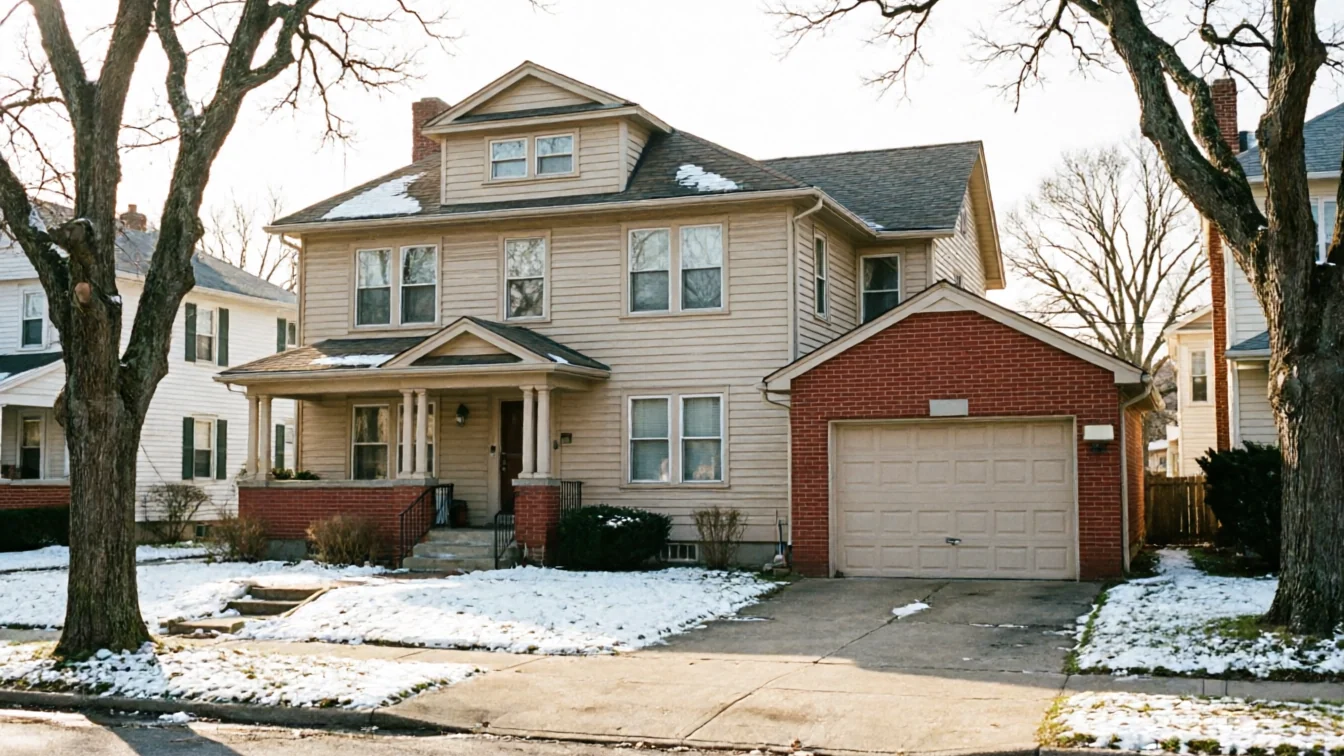
Torsion springs hold enough stored tension to cause a serious injury, and that doesn't change based on how old the house is. On a 1972-era door, the extra risk is that the hardware itself may be outdated or incompatible with newer parts bought off a shelf today, which makes a DIY spring swap more likely to end in a mismatch than a fix. Opener reprogramming or clearing a sensor is reasonable to handle yourself. Spring and cable work on a door this old is not - call it in.
Questions
If your house was built around 1972, your original hardware predates the median 1989 build year across the wider service area. Doors and springs have likely been swapped or upgraded since then, sometimes without matching the new door's weight to the right spring size, which causes uneven wear.
No. We're dispatched from Rapid City, about 18 miles away, for every job out here. There's no local branch or truck stationed in town, so scheduling accounts for the drive rather than a same-town response.
Sometimes. If your spring size or gear-kit isn't something we carry as standard stock, there's a lead time to order it. We'll tell you that at diagnosis rather than promise a fix we can't deliver that day.
Depends on what's failing. If the spring is simply undersized for a heavier door that replaced the original, a correctly sized spring often solves it without a full door replacement. We look at the actual hardware before recommending either way.
Explore more
Ready when you are
Rapid City Garage Door Pros repairs and installs garage doors, springs and openers in Rapid City, SD and the surrounding area.