
Fifteen years older
That's not random bad luck. Most houses in New Underwood went up around 1972, a good fifteen years ahead of the 1989 median for the rest of the service area we cover.
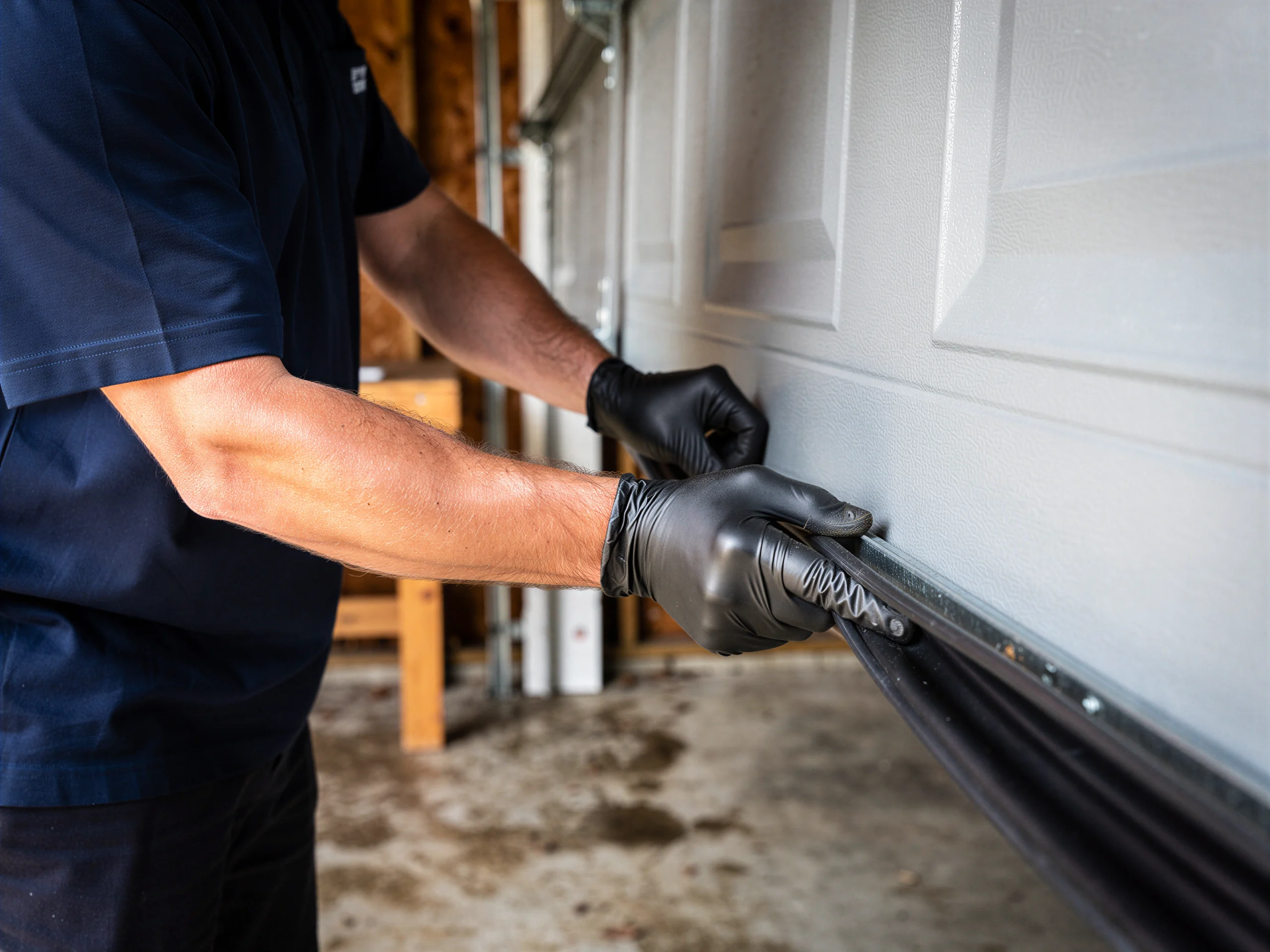
New Underwood, Rapid City
New Underwood homes mostly date to 1972, older than the rest of our coverage area. We drive the 18 miles out from Rapid City to fix what that age brings.
Warning signs
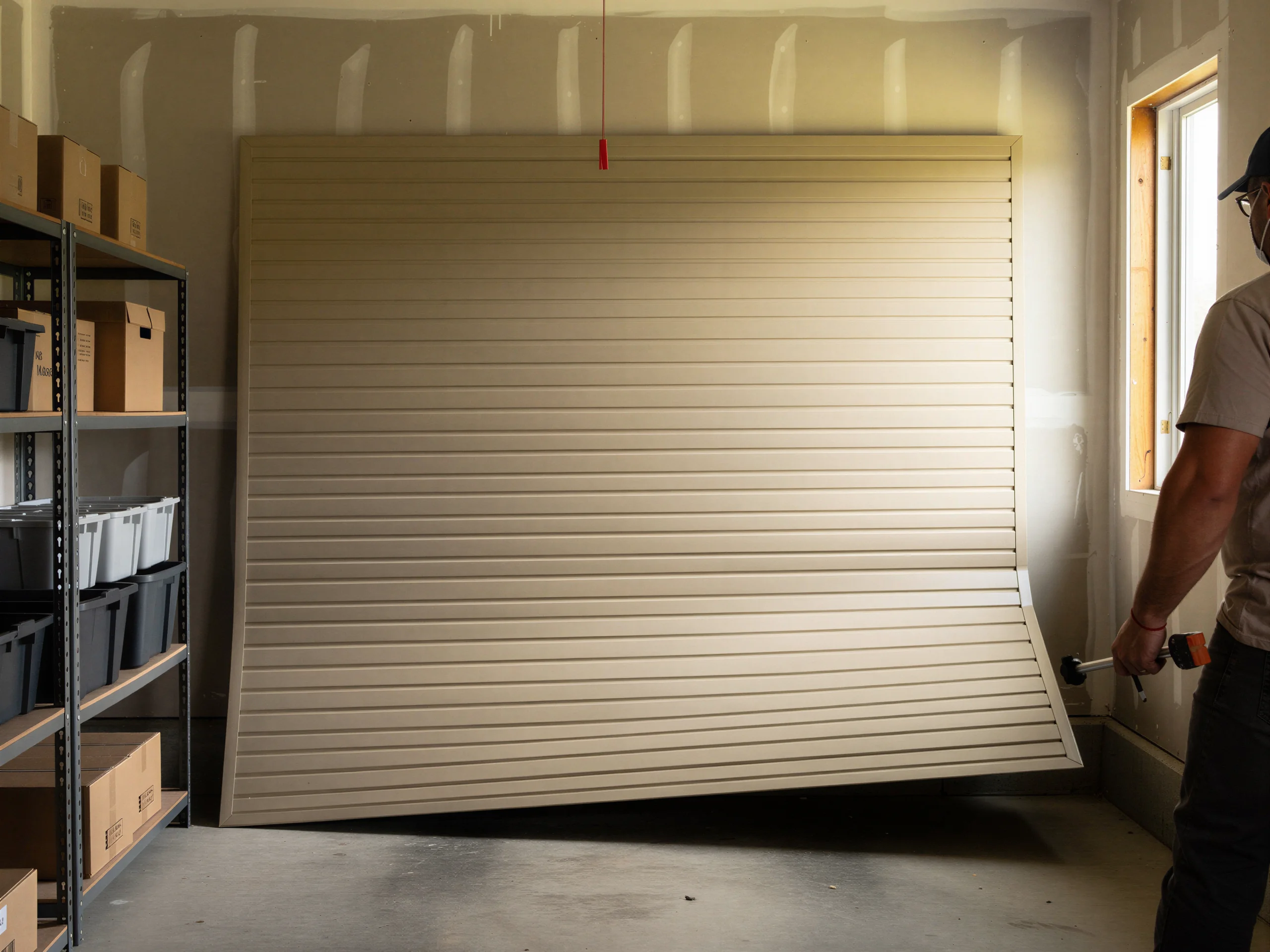
The call we get from New Underwood is rarely the same call we get from the newer subdivisions closer to Rapid City. Out here the door sticks halfway, or it slams the last foot of travel, or the opener grinds instead of pulling smooth.
That's not random bad luck. Most houses in New Underwood went up around 1972, a good fifteen years ahead of the 1989 median for the rest of the service area we cover.
A door built or installed in that era is a different animal than one from a 2005 build: extension springs instead of torsion, lighter steel track, hardware that was never updated when the rest of the market moved on. When that gear finally gives out, it gives out all at once, not gradually.
You notice the door won't lift, or it drops when you let go of the chain, and by then the fix usually involves more than tightening a bolt. Knowing the housing age before we load the truck changes what we bring with us, and it's why the diagnosis out here starts differently than it does in town.
Local causes
This region sits in a cold climate band, and cold is hard on old steel regardless of the town. But it's harder on steel that's already fifty-plus years into its service life. Lubricant that was fine in September turns to glue in a January cold snap, and a spring that's been flexing since 1972 has a lot less fatigue life left to burn through before it snaps. We see this pattern play out across the service area, but it compounds faster in New Underwood because the base hardware is older to begin with. A torsion spring in a 1995 build and an extension spring in a 1972 build are both affected by the same temperature swing - the older one just has less margin. Rollers made of nylon from that era crack rather than wear smooth, and steel track that's taken fifty winters of contraction and expansion tends to have small bends that an owner never notices until the door starts binding on one side. None of this is dramatic until the morning it is, usually on the coldest day of the stretch.
Watch-outs
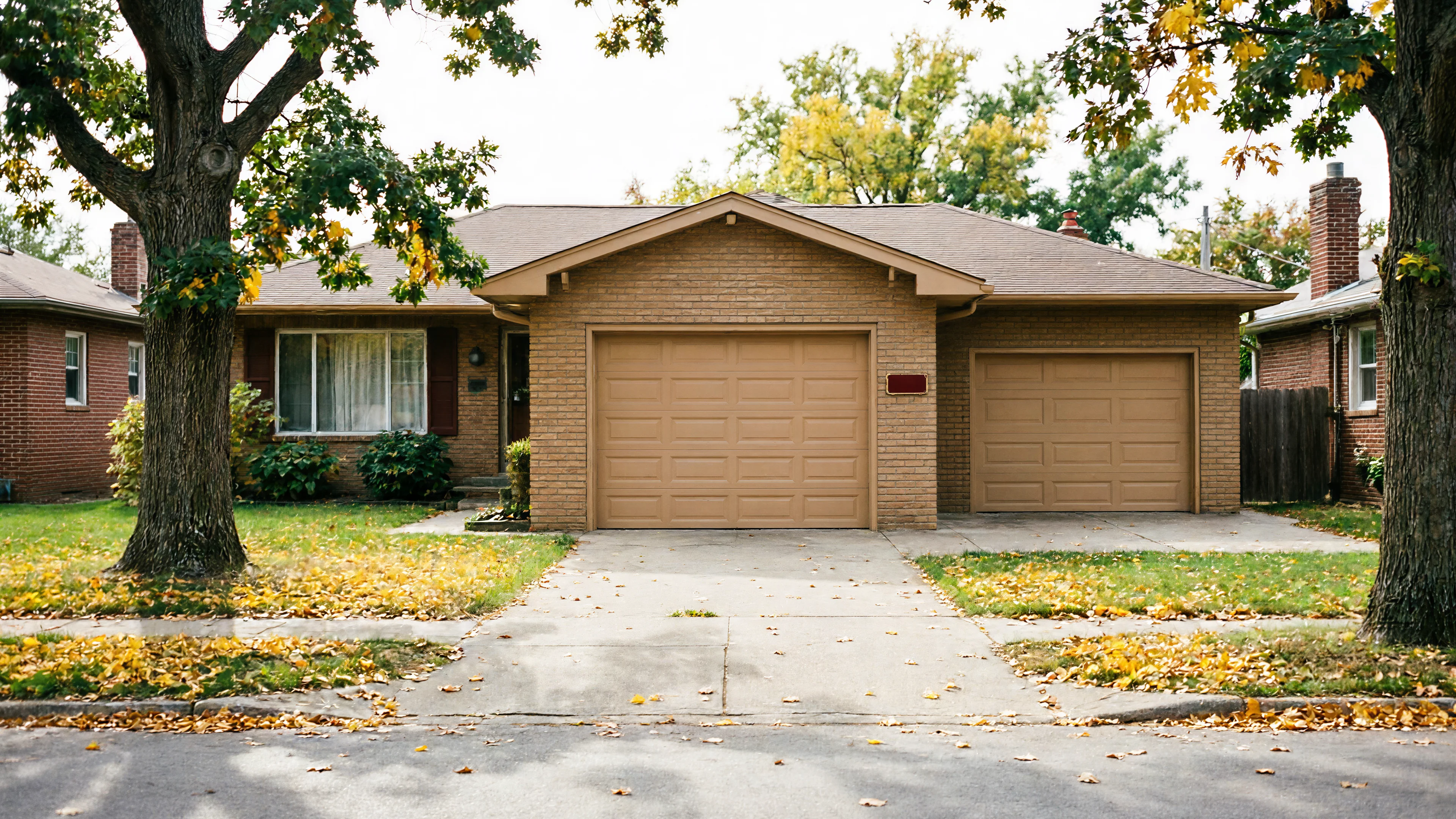
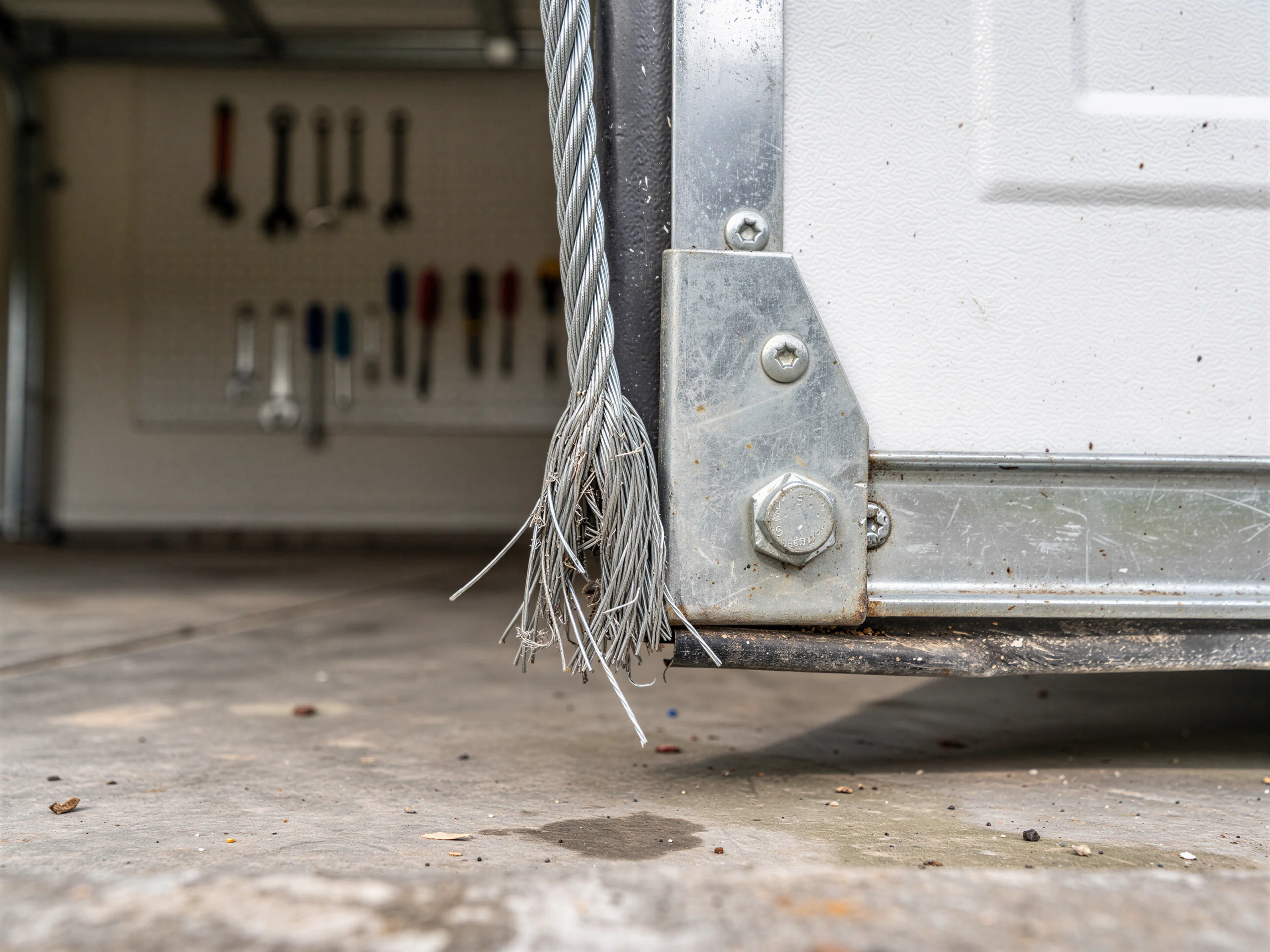
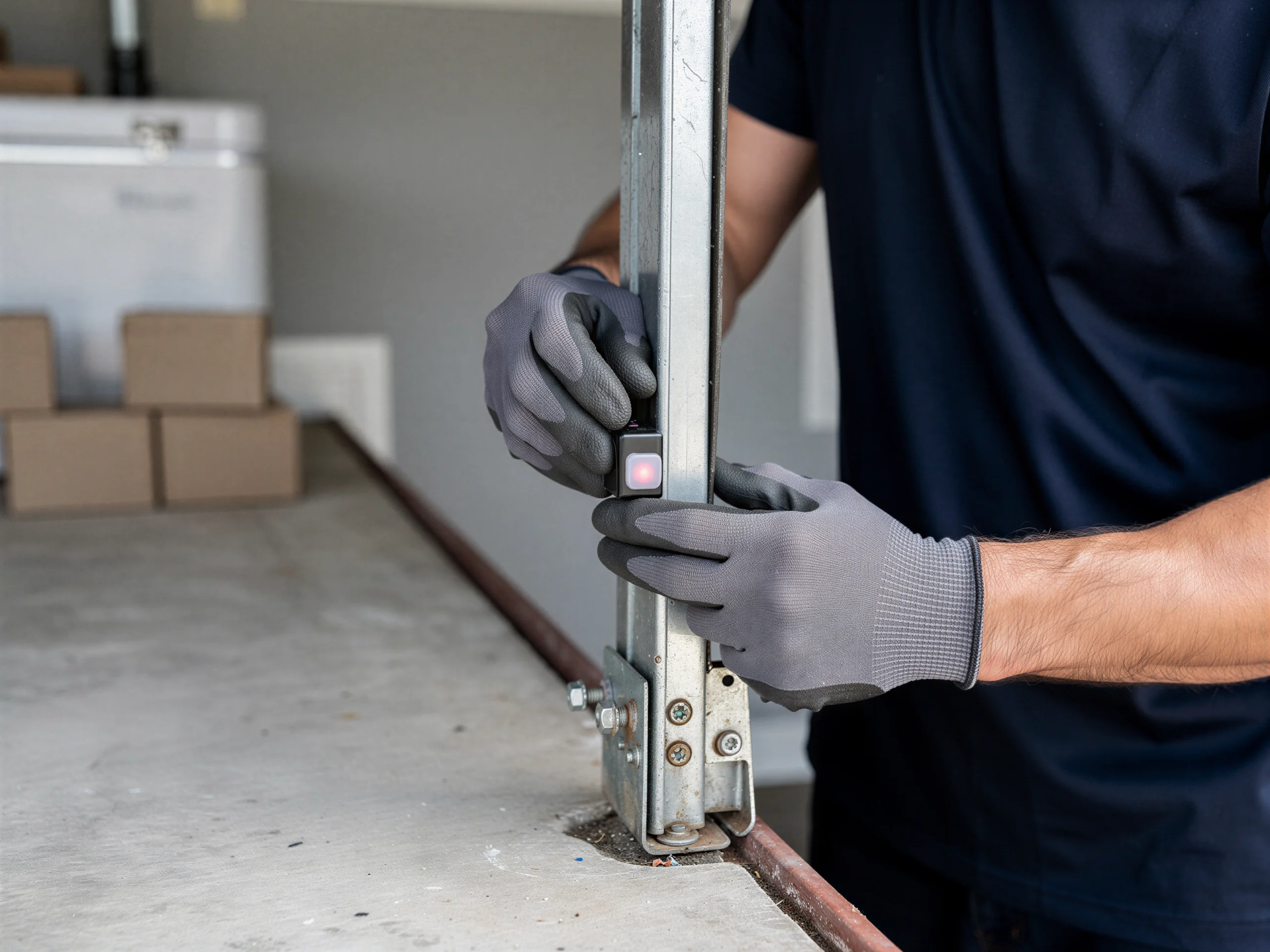
On the doors we see out here, the usual failure points are extension springs without a safety containment cable, bent or rusted track sections, and worn pulley wheels on the cable system - all common on hardware from the early 1970s that was never upgraded.
A broken extension spring is loud and often sends the door crashing down if nothing's holding it, which is part of why that older style gets phased out on newer builds. Rust shows up more on track bolts and hinges that have sat through five decades of Dakota winters.
Openers from a later retrofit era sometimes still run on the original rail, which means the chain stretches and starts skipping teeth under load. None of this is unique to one house - it's the pattern you'd expect from a town where the housing stock is a decade and a half older than the surrounding area's median.
The honest part: once track is bent in more than one spot, straightening it rarely holds, and replacement track is usually the better call even though it costs more up front.
Job timing
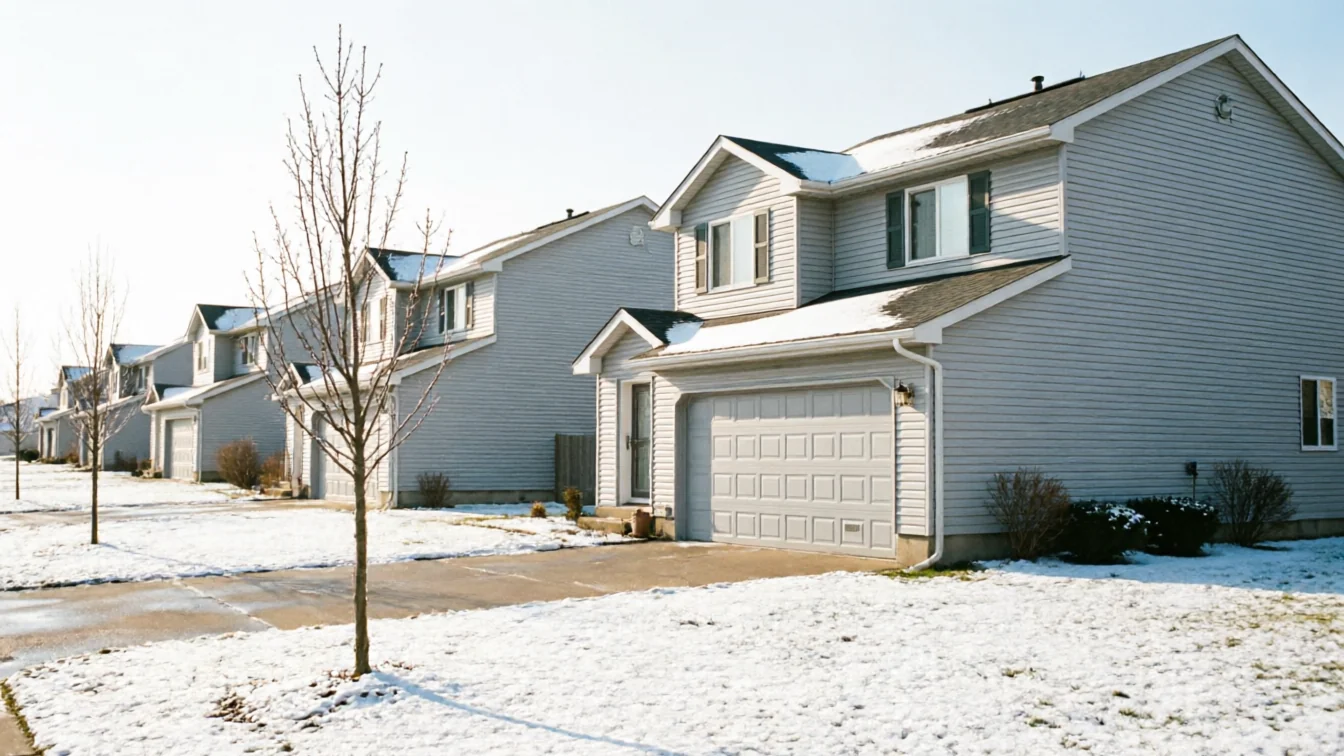
New Underwood sits about 18 miles out from Rapid City, which is one of the longer drives in our coverage area. We don't run a branch or a depot out there, so every job starts with the truck coming from town, and that travel time gets factored into scheduling rather than promised as same-day. Once we're on site, a straightforward spring or roller job runs the same length of time it would anywhere else in the service area - the age of the hardware affects what parts we bring, not how long the actual repair takes. What it does affect is how often we need a second trip: if a part turns out to be a size or style that's no longer stocked, we'd rather confirm it in person than guess from a phone description and show up short.
The repair
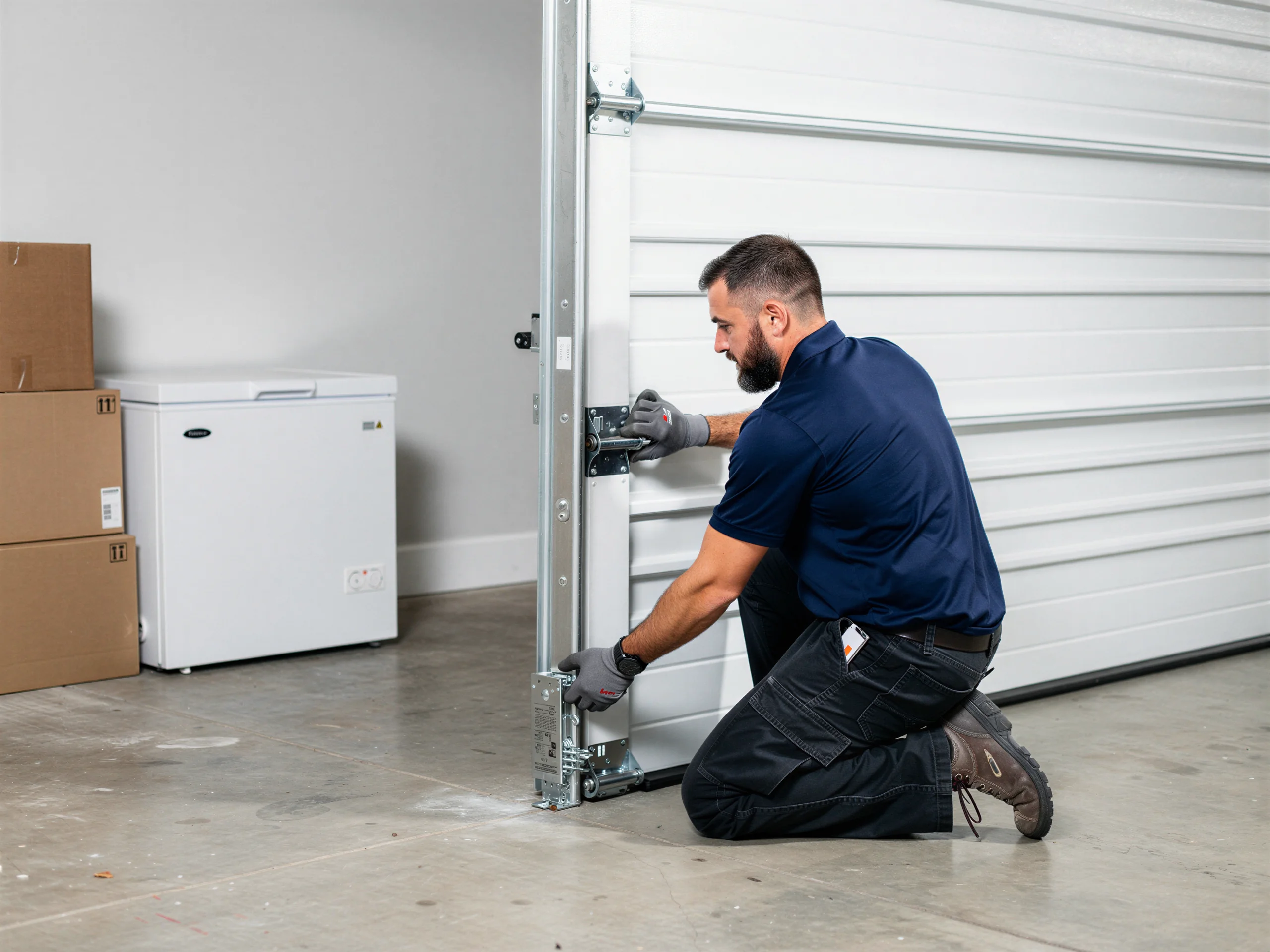
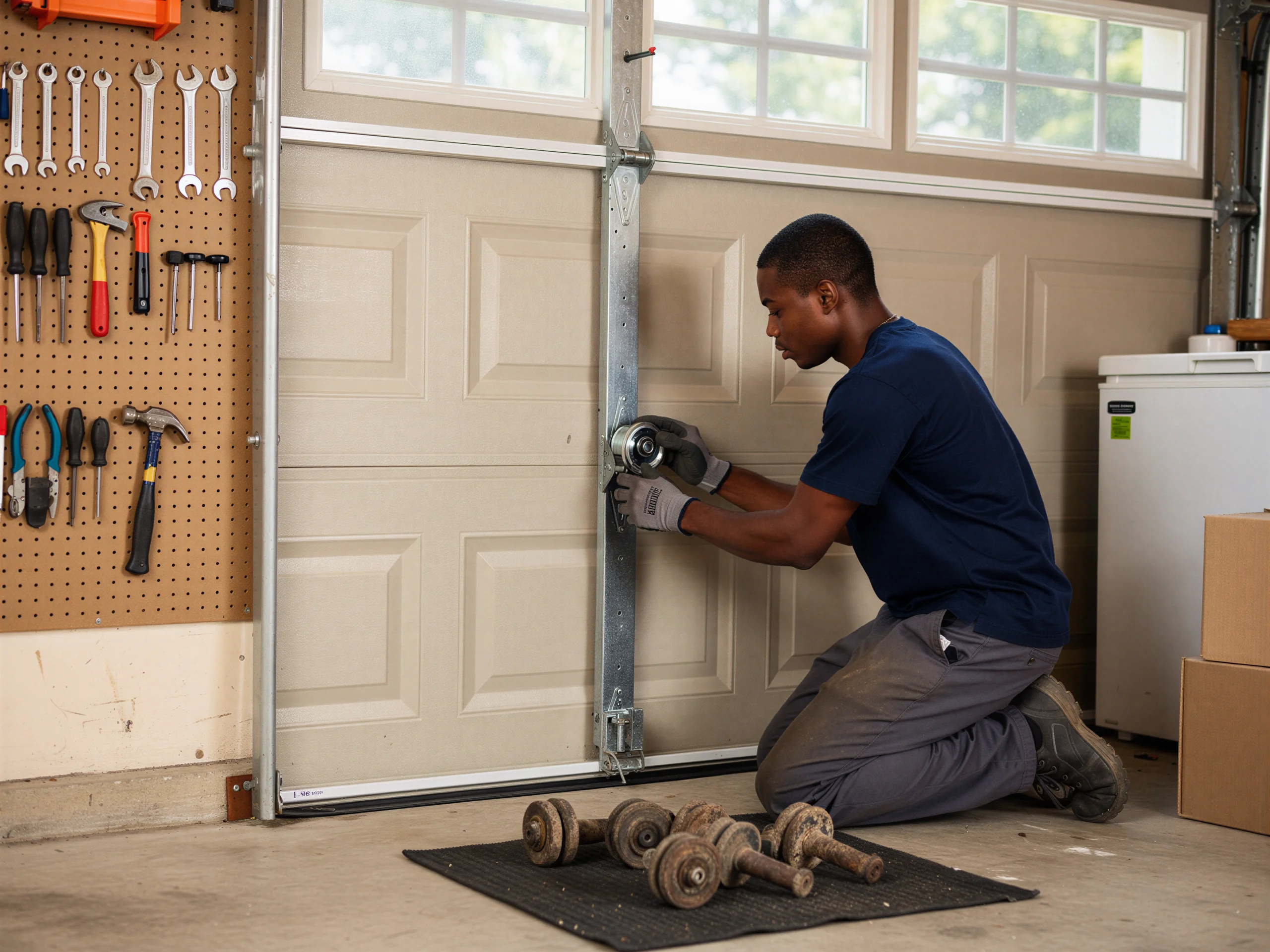
For a door this age, the repair usually means replacing the failed part with a modern equivalent rather than hunting down an exact 1970s match, since most of those original parts haven't been manufactured in decades.
A broken extension spring gets replaced with a current spring rated to the same door weight, and where it makes sense, we'll convert to a torsion system with a containment cable, which is safer and lasts longer under the same cold-weather load this area sees every winter. Track gets swapped in sections rather than patched, because bent track that's been reworked once tends to bend again at the same spot.
We're not going to push a full door replacement on you if the panels themselves are sound - a repair that keeps a serviceable door working is usually the right call, and in a town where median household income runs lower than the rest of our coverage area, that difference matters to the bill.
DIY or pro
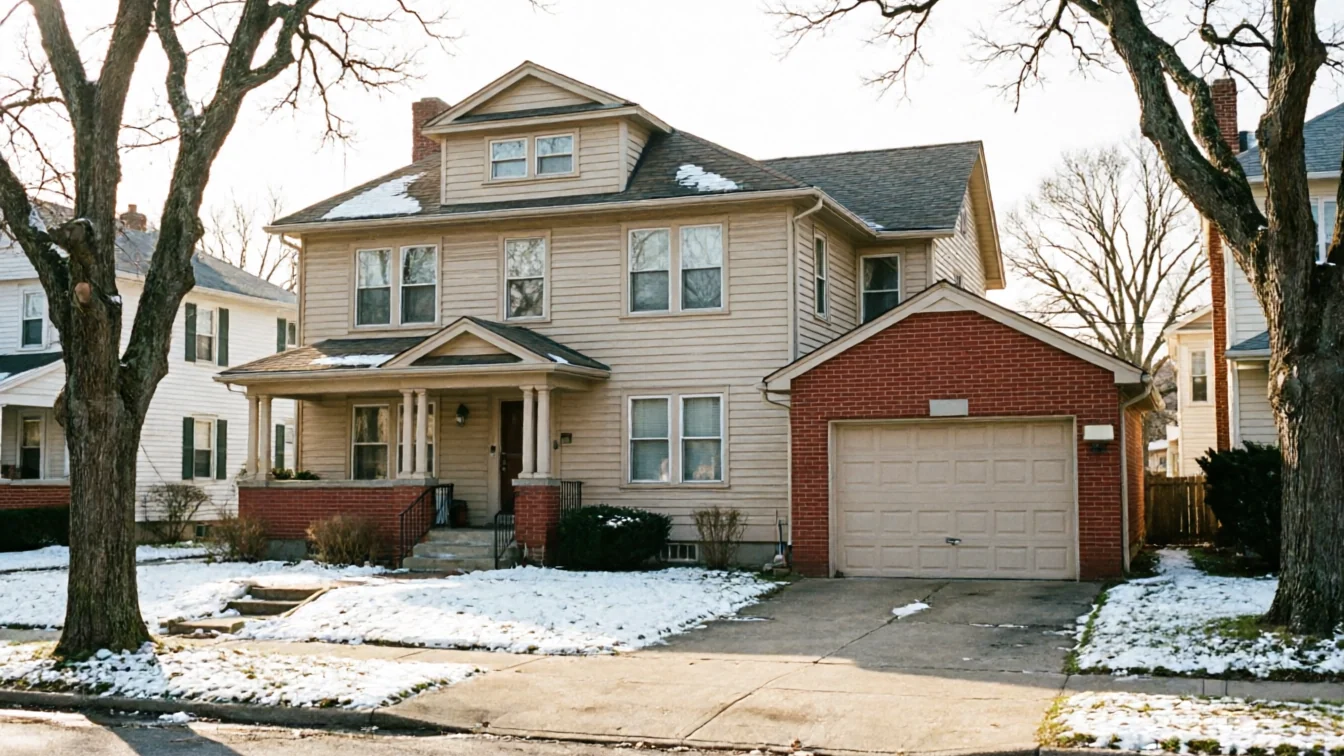
With New Underwood's household income averaging around $54,167, well under the roughly $78,801 median across the rest of our service area, it makes sense that folks want to handle what they can themselves. Clearing debris from track, checking that the photo-eye sensors are aligned, tightening visible bolts - all fine to do on your own. Spring work isn't. An extension spring under tension, especially one that's been stretching for fifty years without a safety cable, can let go with enough force to break a hand or worse, and that risk doesn't change based on what the repair would have cost a professional. If the door is dropping fast, won't stay open, or the spring looks stretched or gapped, that's the point to stop and call it in rather than push through with a ladder and a wrench.
Questions
A lot of New Underwood's housing dates to around 1972, well before the service area's 1989 median, so the hardware is older going into every winter. Combined with the region's severe cold band, aging steel springs and track have less fatigue life left before a cold snap pushes them past their limit.
No. We cover New Underwood from Rapid City, about 18 miles away. There's no local branch, so repairs are scheduled as a trip out rather than a walk-in, same-day call.
Depends on the panels and frame. If those are still sound, repairing the spring, track, or opener usually costs less and holds up fine. We'll tell you honestly if the door's condition means a repair won't be worth the money.
We'd advise against it. A stretched extension spring under tension can release with enough force to cause serious injury, especially on older doors without a safety cable. That's one job worth having done by someone who does it regularly.
Explore more
Ready when you are
Rapid City Garage Door Pros repairs and installs garage doors, springs and openers in Rapid City, SD and the surrounding area.