
Sensor realignment is DIY
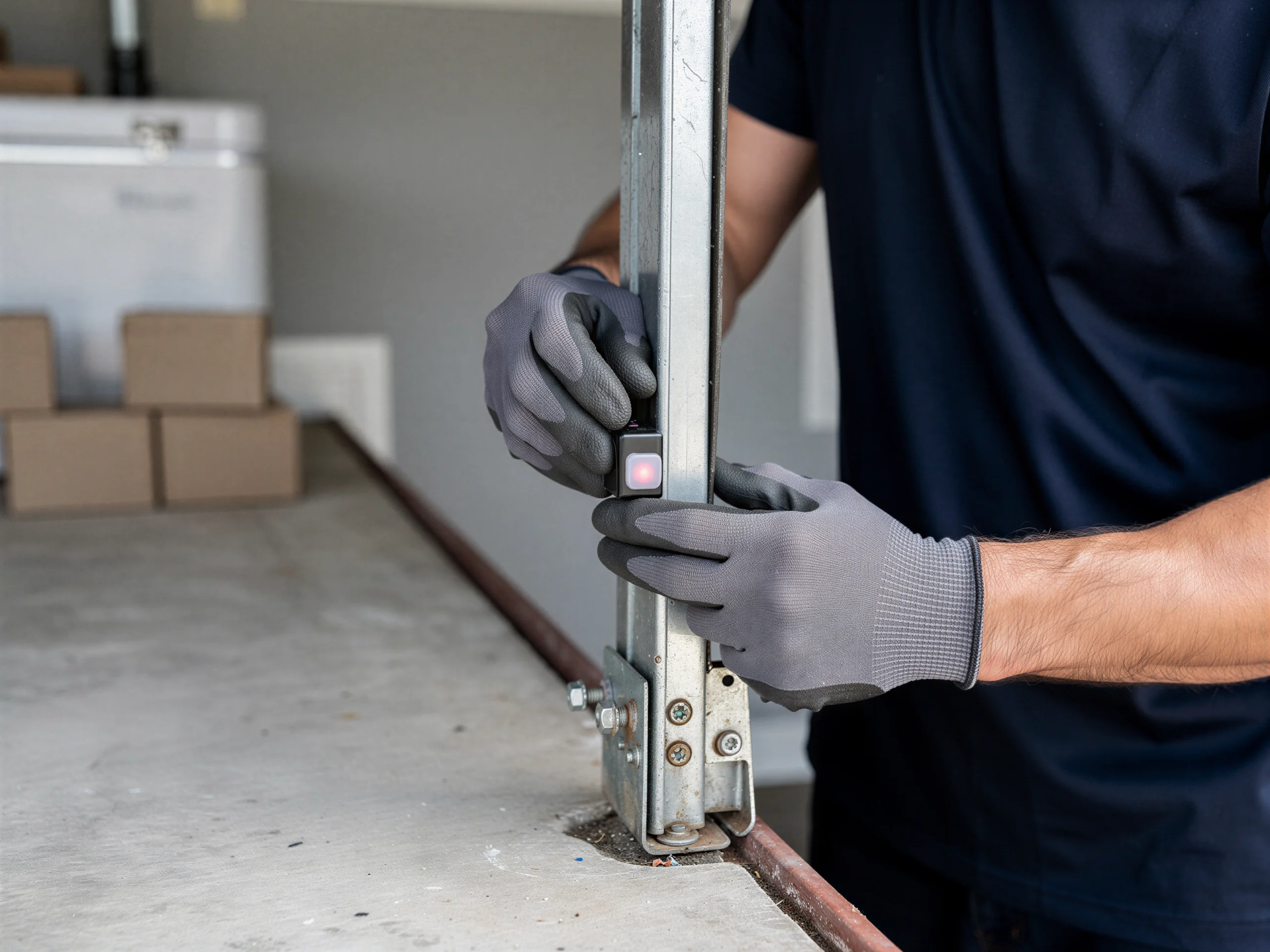
Can you fix a garage door yourself out here? Sometimes. A door that won't close because the photo-eye sensors are dirty or knocked out of alignment is a five-minute fix with no tools beyond a rag.
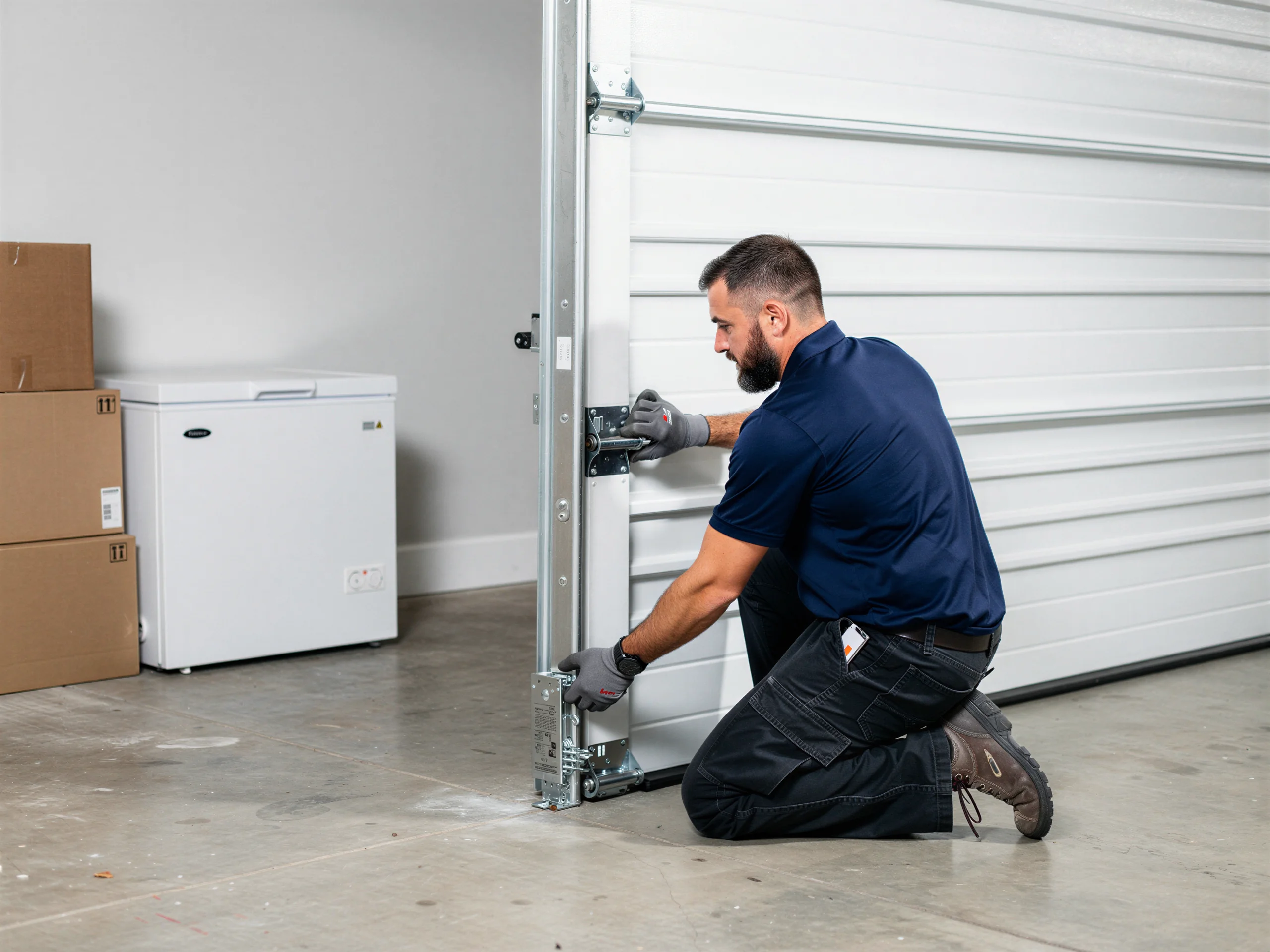
Green Valley, Rapid City
Green Valley SD has about 465 households and mostly 1980s-built doors. We drive the 6 miles from Rapid City to fix springs, openers, and tracks.
DIY or pro
Green Valley is a small place - about 465 households, which means the garage door work here isn't high-volume, but it's consistent. Most of the doors sitting in those driveways went up around 1989, give or take a few years on either side, so a lot of what we see is original hardware pushing past its expected life.
Can you fix a garage door yourself out here? Sometimes. A door that won't close because the photo-eye sensors are dirty or knocked out of alignment is a five-minute fix with no tools beyond a rag.
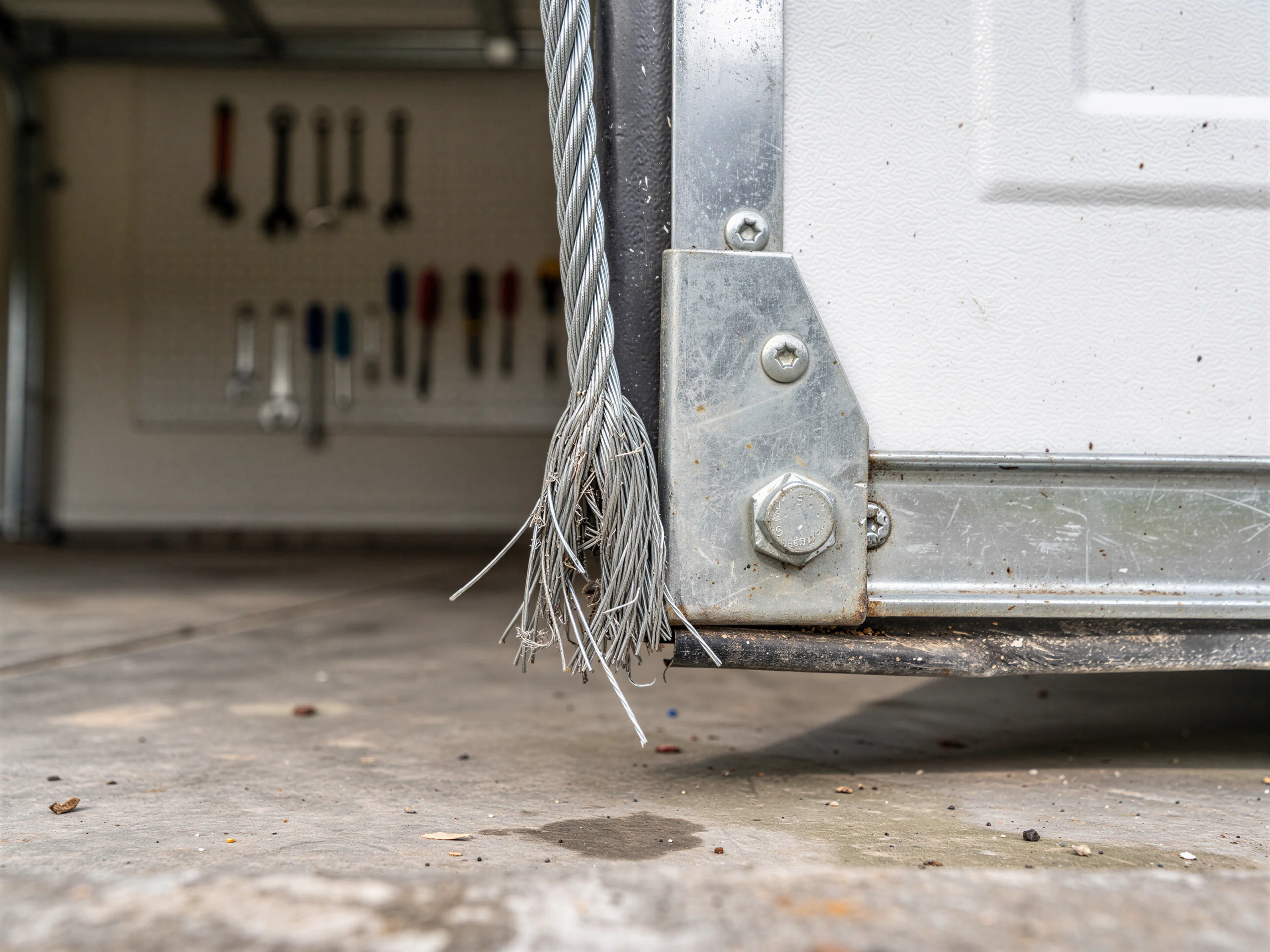
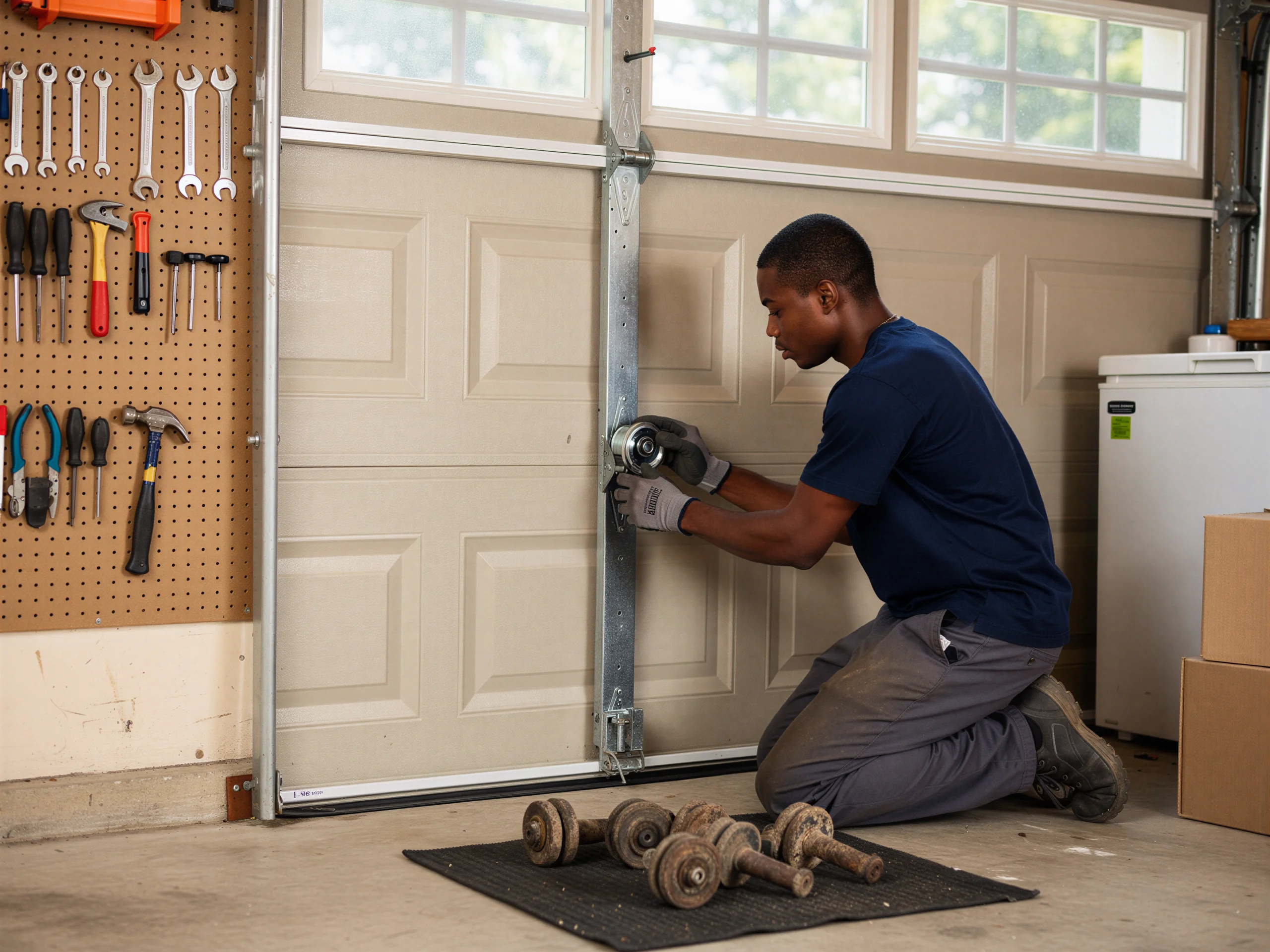
But a torsion spring under tension, or a cable that's frayed and about to let go, is not a DIY job - that's enough stored force to break a hand or worse. If you're not sure which kind of problem you've got, that uncertainty is itself the answer: call it in.
We're honest that not every trip out this way is urgent. If your opener just needs a logic board reset, we'll tell you that over the phone before we load the truck. We'd rather save you the visit than pad a job that doesn't need one.
Watch-outs
A door built in the late 1980s has had three decades of South Dakota winters to work on its hardware. Torsion springs in this area are usually rated for a set number of open-close cycles, and homes from that era are now well into the back half of that count - or past it.
When a spring goes on a cold morning, it goes loud and it goes all at once. The cold itself causes trouble separate from age. In a severe cold climate band like this one, steel contracts, lubricant thickens, and nylon rollers that were fine in July turn brittle and start cracking in January.
Panels on doors from this vintage are often steel-and-foam sandwich construction that was standard for the period; once the seal between layers fails, moisture gets in and the foam holds it, which speeds up rust on the panel skin from the inside out.
Openers from the 1989-ish build window are frequently chain-drive units from that generation, and parts for the oldest of them can be slow to source - that's a real limitation, not a sales pitch, and we'll tell you up front if a replacement opener makes more sense than chasing parts for one that's 30-plus years old.
Warning signs
In Green Valley the calls tend to follow a pattern tied to that 1989 median build year. You'll hear a door that used to run quiet start to groan or bang partway through its travel - that's usually a roller or a bent track section, not the opener.
A door that reverses right before it touches the floor is often a sensor misread, not a mechanical fault, and worth checking before anyone replaces parts. Cold-morning symptoms are their own category here.
A door that opens fine at noon but strains or stalls at 6 a.m. is telling you the lubricant on the springs or track has stiffened overnight - a known issue on hardware this age, less common on anything installed in the last ten years with updated materials.
The household income here runs in line with the wider service area, median around $78,801, and most of the homes we see are owner-occupied - which tends to mean people want the actual problem diagnosed and fixed rather than a whole new system sold to them when the current one has a few more years in it.
Job timing
We cover Green Valley from Rapid City, about 6 miles out, so there's a short drive built into every visit - we don't carry a separate crew or depot in town, and we won't pretend otherwise. Most spring and track jobs on a house this age run within a normal single visit once we're on site; a full opener swap or anything needing a special-order part for an older unit can mean a second trip.
We size the truck stock to what a town this size typically needs - standard torsion springs, common roller and cable sizes, the sensor parts that fail most often. What we don't always carry is a replacement part for a specific opener model that stopped being made years ago; if that's the issue, we'll tell you the lead time honestly rather than guess at one.
Given how many Green Valley doors date to roughly the same few years, if your neighbor's spring just went, yours is on a similar clock.
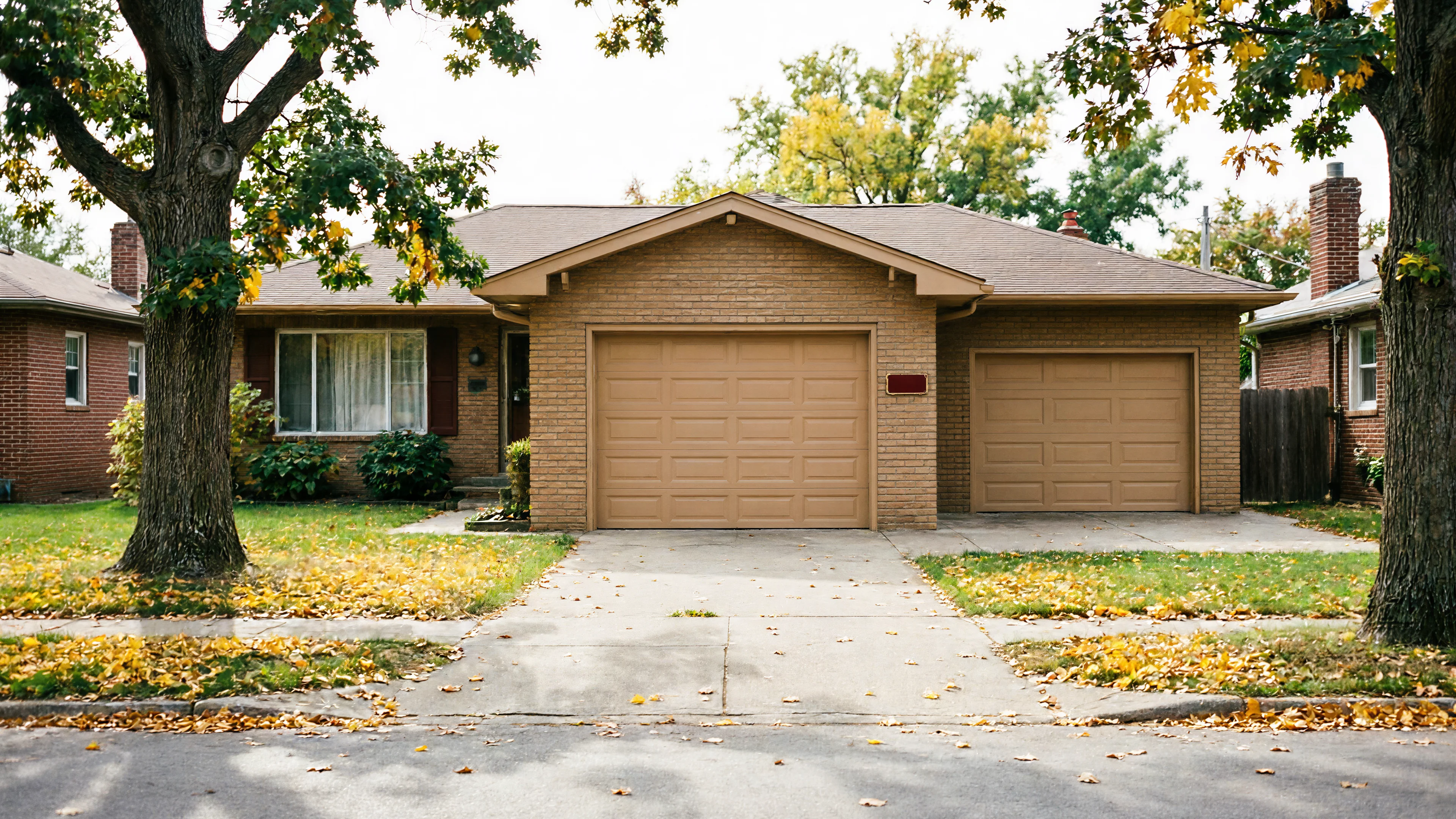
Questions
About 6 miles. We don't keep a separate crew stationed in Green Valley - every job there is covered by a truck coming from Rapid City, so there's a short drive built into scheduling, same as with the other small communities around the city.
Most of the housing stock in Green Valley dates to around 1989, so a lot of torsion springs installed at construction are reaching the end of their rated cycle count at roughly the same time. It's less coincidence than a shared install date.
It's real. This area sits in a severe cold climate band, and steel hardware, lubricant, and nylon rollers all behave differently at sub-freezing temperatures than they do in summer. A door that's fine at noon and struggles at sunrise is a common cold-weather pattern, not a coincidence.
We stock the springs, rollers, cables, and sensor parts that cover most jobs on houses from this era. Parts for a specific opener model that's been discontinued for years sometimes need to be special-ordered - we'll tell you that lead time honestly rather than guess.
Explore more
Ready when you are
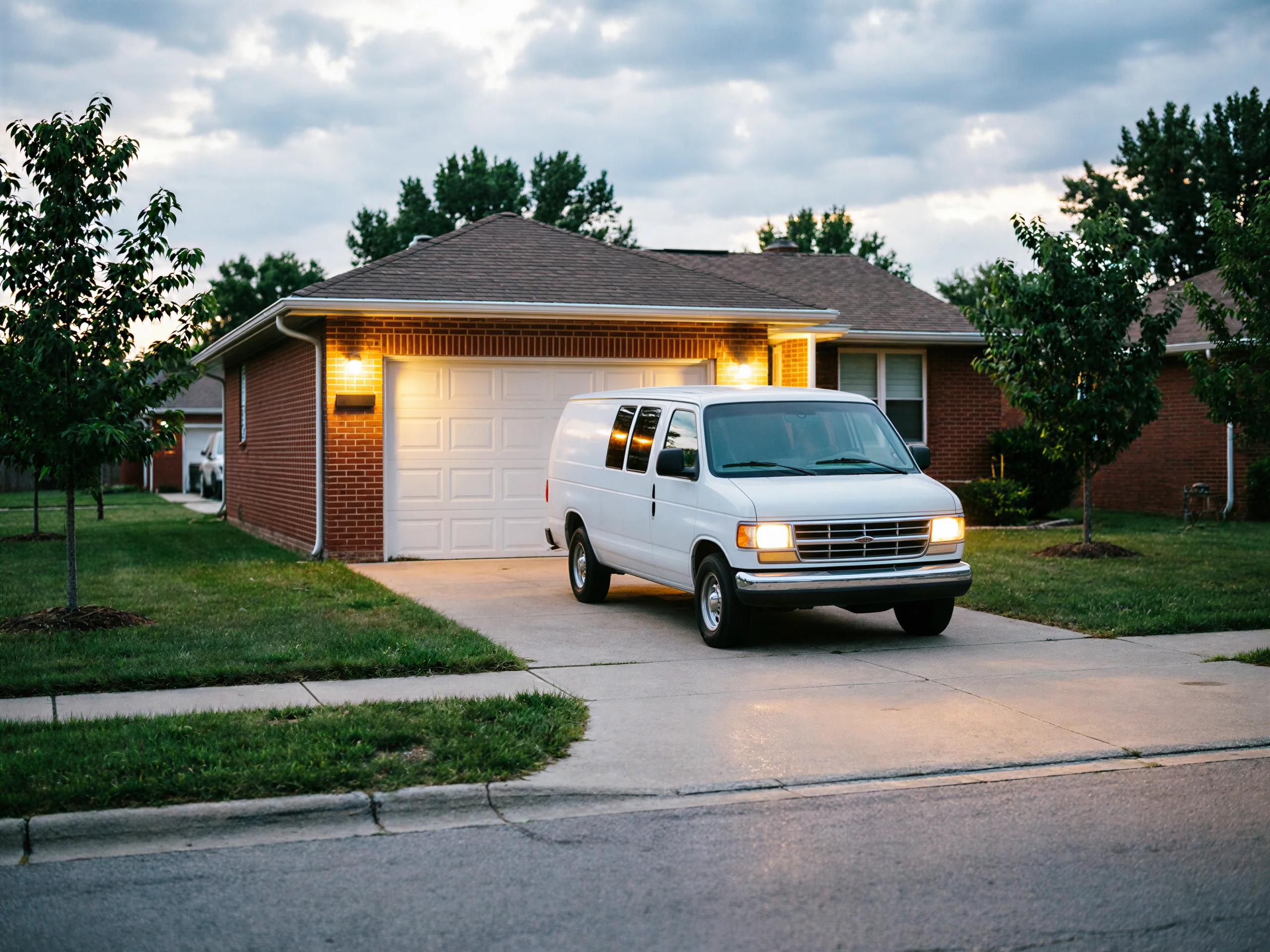
Rapid City Garage Door Pros repairs and installs garage doors, springs and openers in Rapid City, SD and the surrounding area.