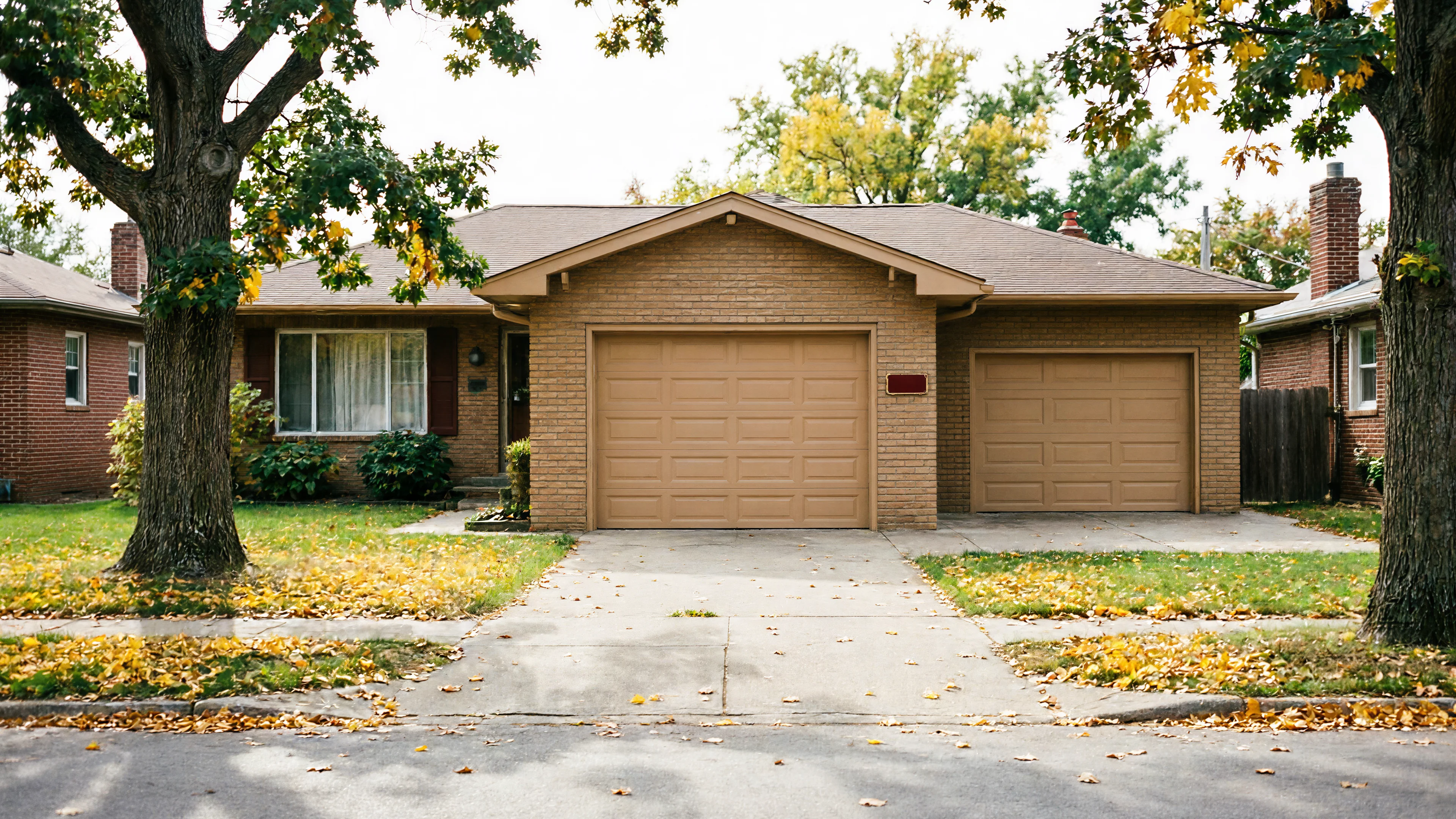
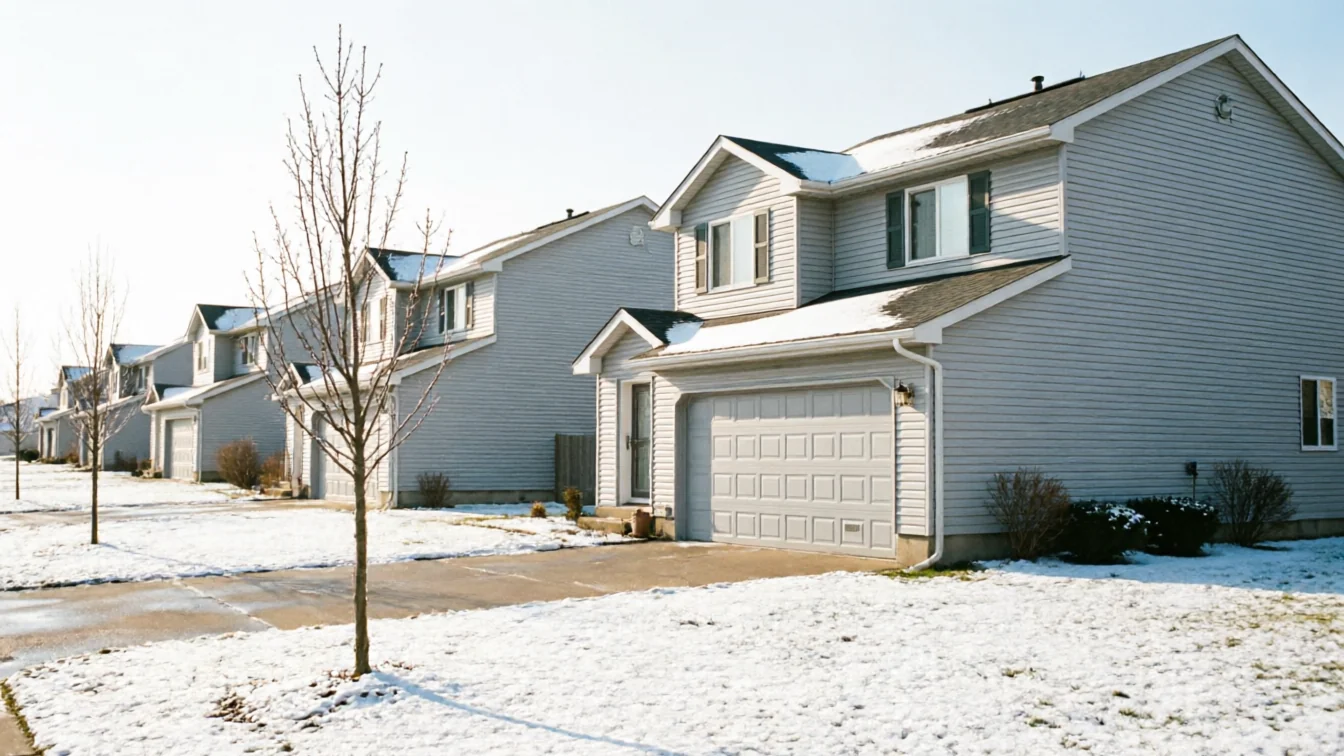
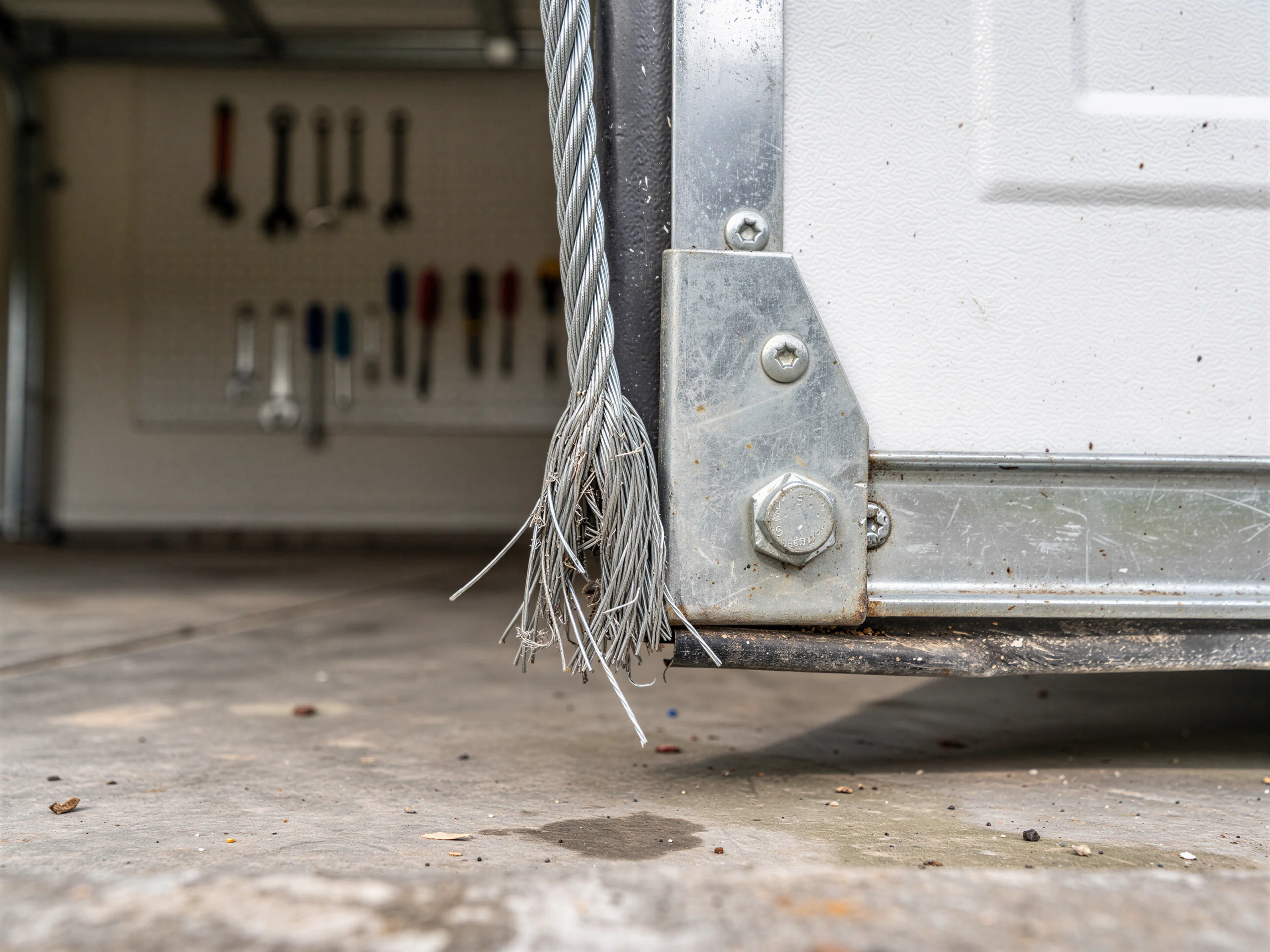
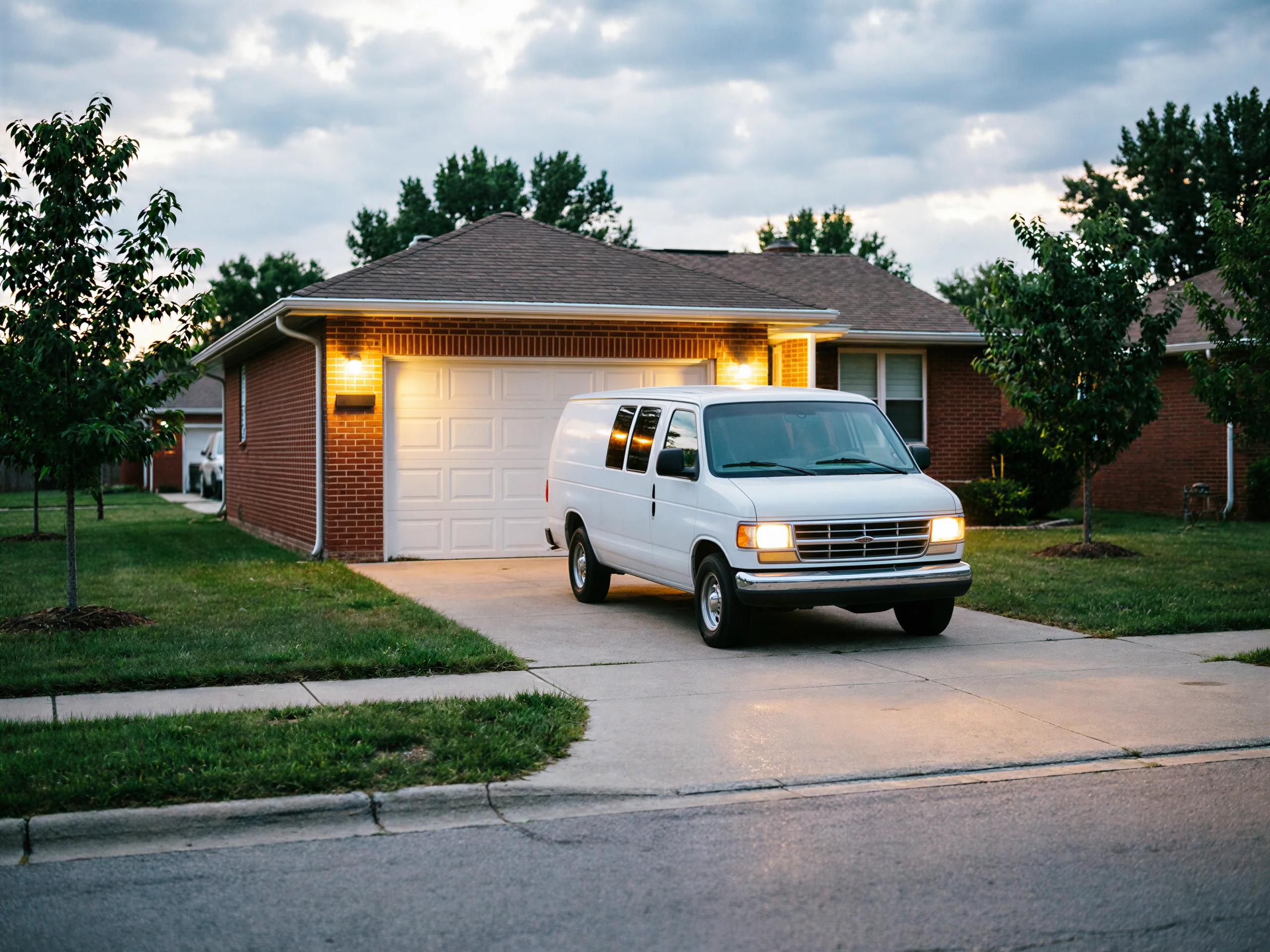
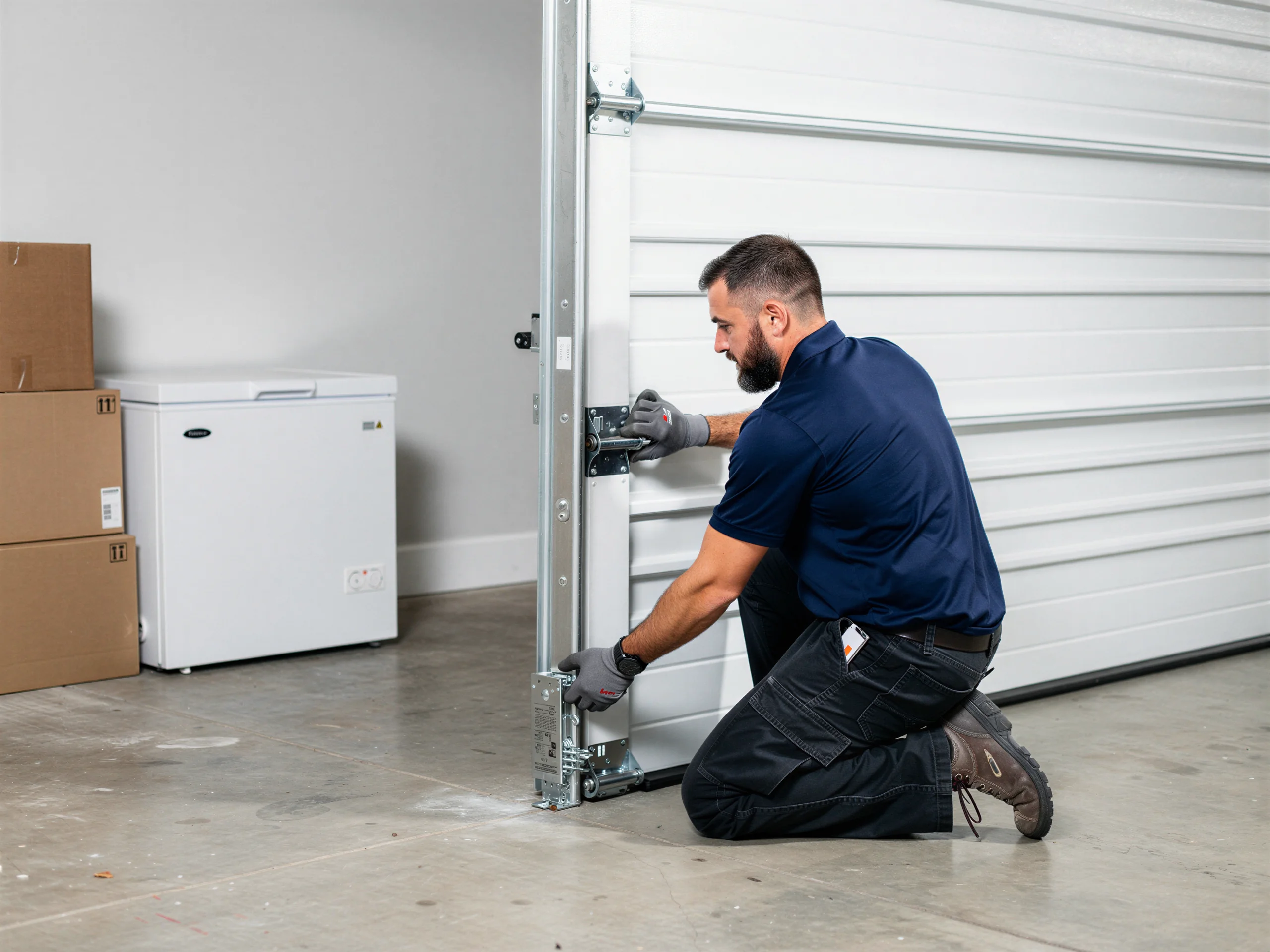
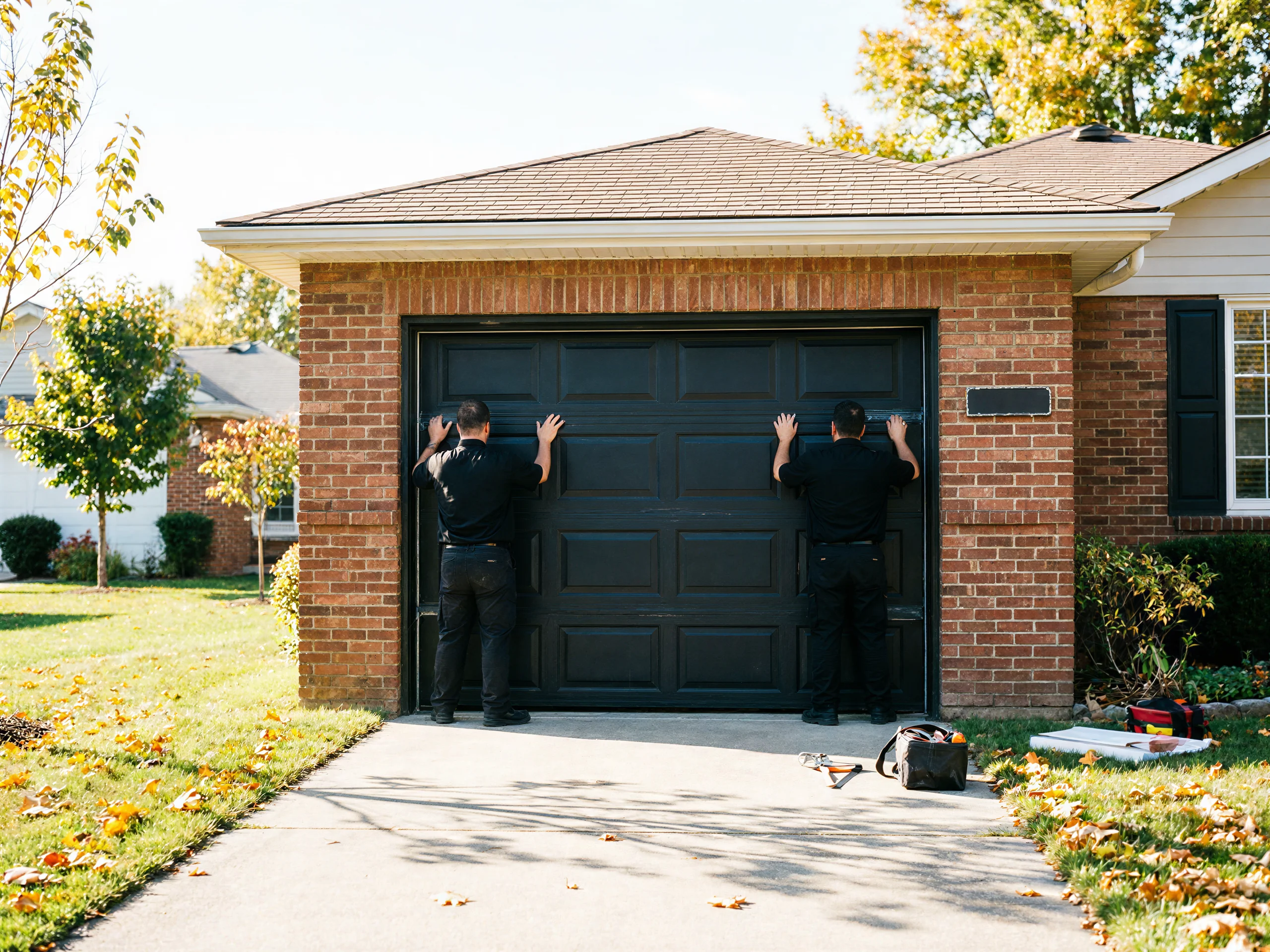
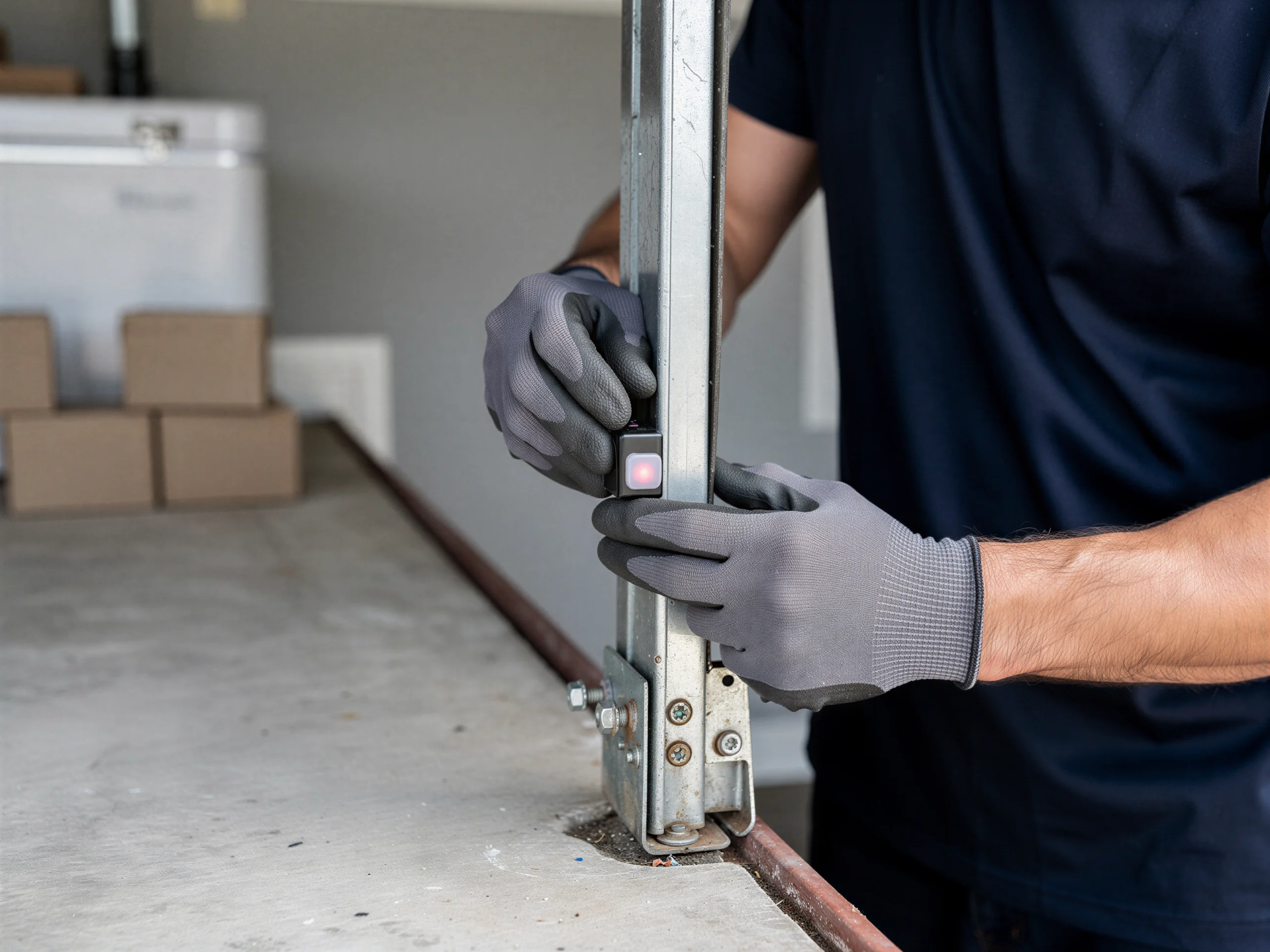
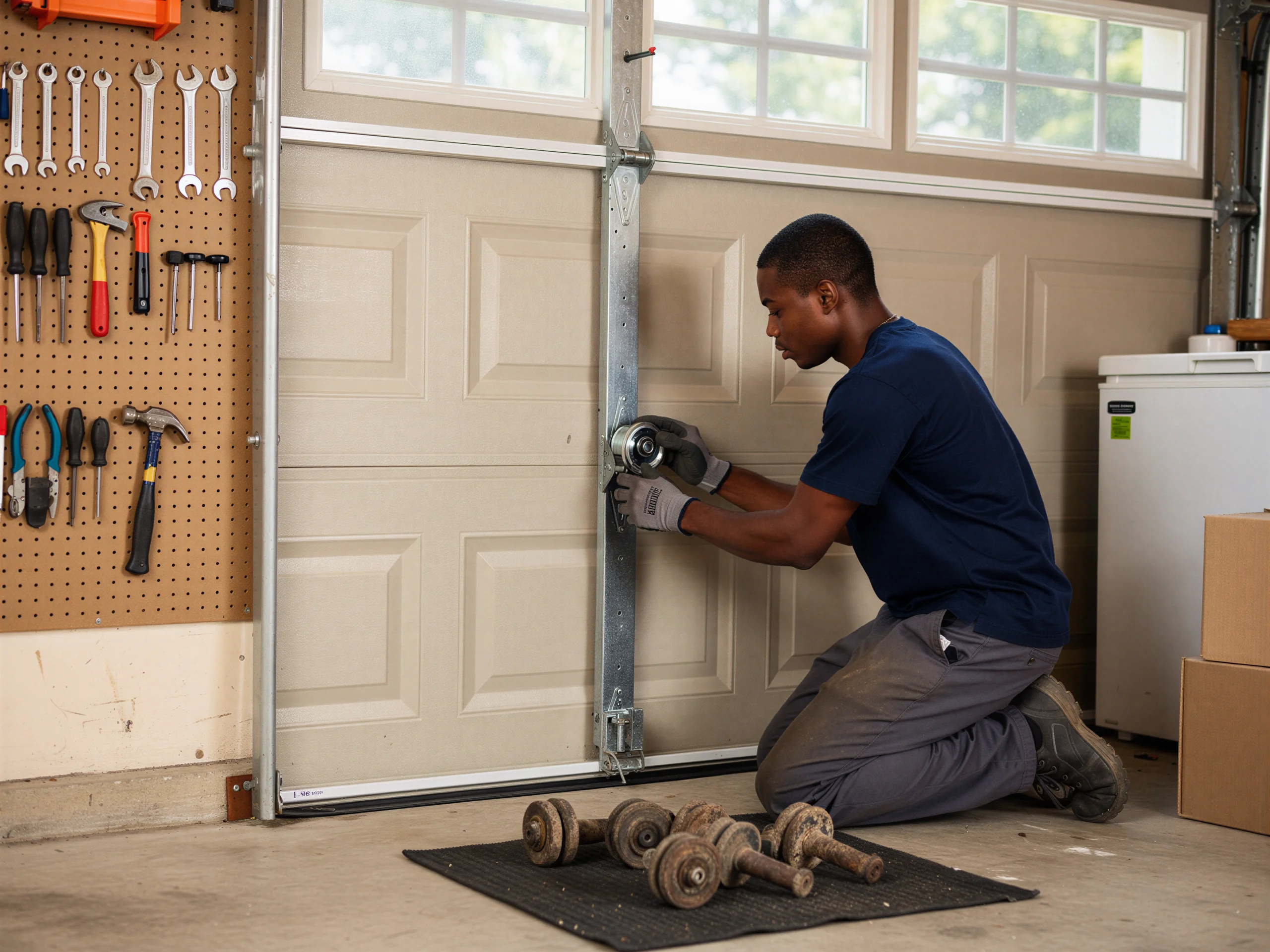
Housing in this part of the Rapid City area went up mostly between 1972 and 2007, with Green Valley's own stock centered on 1989. That means original garage doors here, where they haven't been replaced, are approaching or past the point where springs have cycled tens of thousands of times and the galvanized coating on cables starts to show its age. The hardware from that era is also a specific generation - a lot of it is sized and mounted differently than what's sold today, which matters when a part fails and you're trying to match it rather than replace the whole assembly.
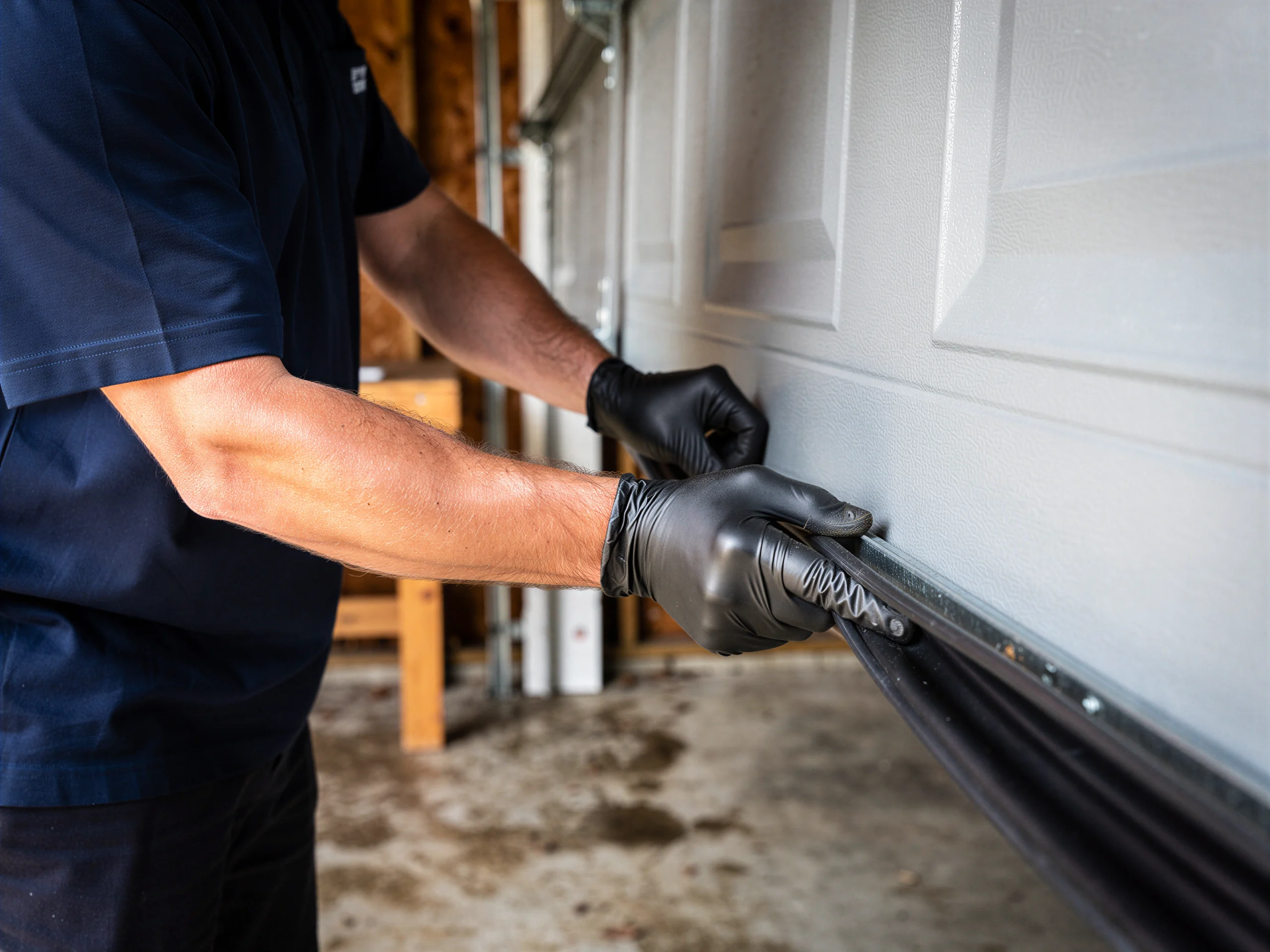
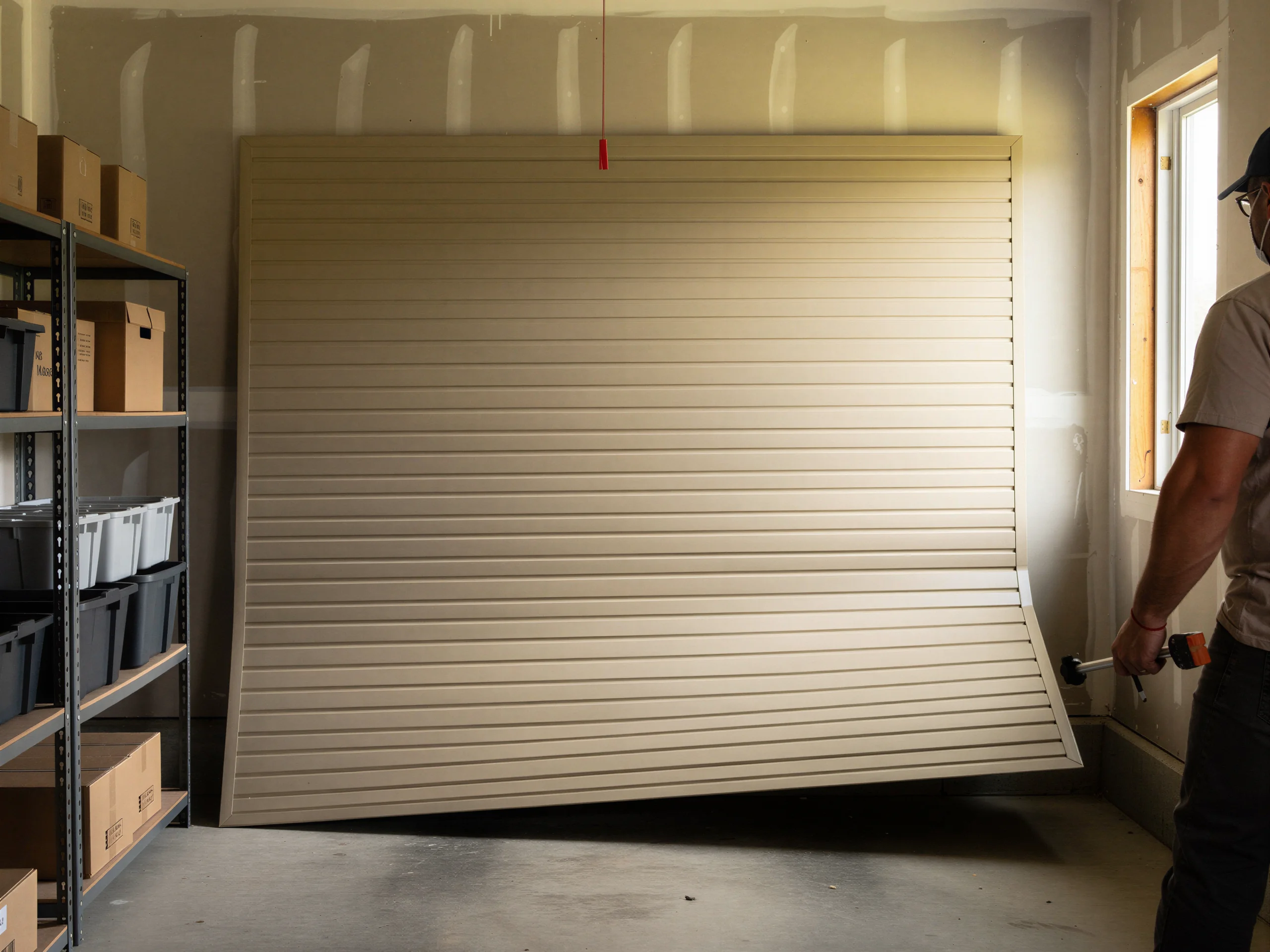
The cold-climate factor compounds this. In a severe cold climate, steel contracts, lubricant stiffens, and weatherstripping that was fine in October turns brittle by January. A door that's been limping along all fall on a worn roller often fails outright on the first hard cold snap, because the slack in worn hardware shows up exactly when the steel is least forgiving. None of this is unique to any one house - it's a function of age and weather acting on hardware that was never designed to last forever.